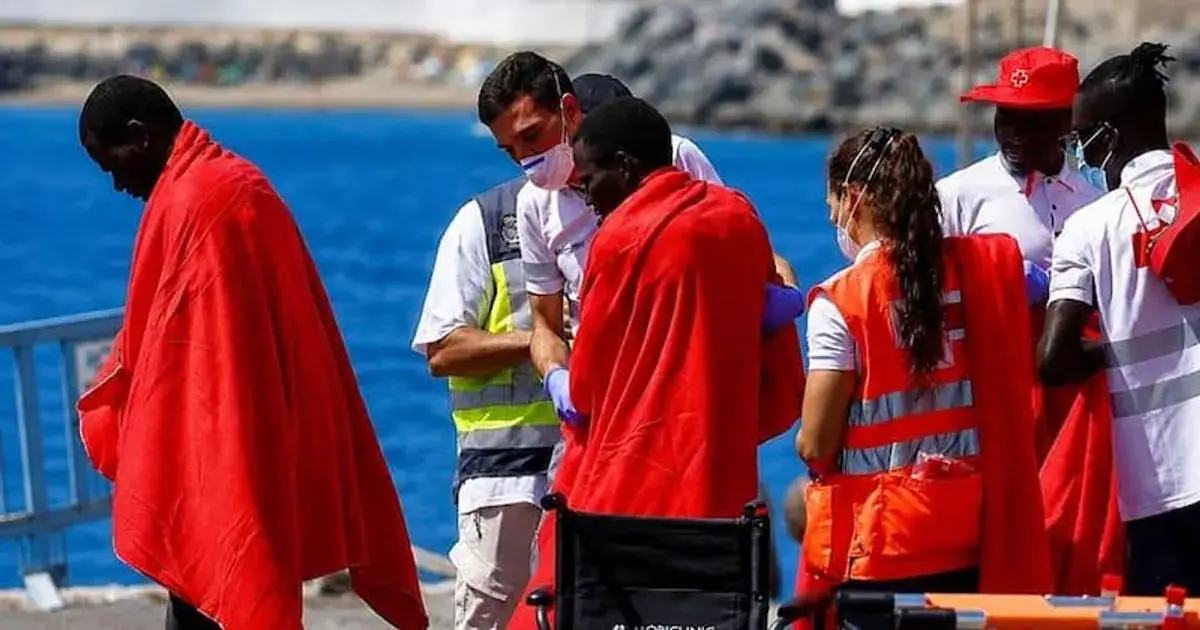
The Atlantic migration route has become a deadly path, particularly for Senegalese migrants, with three pirogues recently found with no survivors off the coast of El Hierro. According to José Antonio Rodríguez Verona, provincial emergency response chief for the Red Cross on El Hierro, the route has claimed many lives. He shared his insights in an interview with L'Observateur, revealing the harsh realities of rescue operations at sea and the heavy toll on migrants attempting to reach the island.
Rodríguez Verona reported that many migrants die from hypothermia due to prolonged exposure to cold and wet conditions. The situation worsens when boats disintegrate, leaving survivors to jettison the bodies of deceased to keep their vessels afloat. Hypothermia, caused by cold nights at sea, lack of dry clothing, and prolonged exposure to seawater mixed with fuel in the boat's hold, is a major cause of mortality on this route. This also leads to severe chemical burns and infections.
Migrants who survive the journey often arrive in a state of extreme exhaustion, suffering from severe hypothermia and dehydration. These conditions can lead to deaths on the dock or shortly after being transferred to a hospital. Rodríguez Verona emphasized that Senegalese migrants make up 60-70% of those reaching El Hierro's shores. The Atlantic crossing can last from one to over three weeks, exacerbating the risks.
The humanitarian crisis is further highlighted by cases such as a woman who gave birth at sea during the journey. She reached El Hierro four days later in critical condition. Such stories underscore the dire circumstances faced by migrants on this perilous route. The Red Cross and other aid organizations are working to provide assistance, but the scale of the crisis remains a significant challenge.
The Atlantic migration route has become increasingly treacherous, with many attempting to flee poverty and conflict. El Hierro, part of the Canary Islands, has become a critical point for migrants. Local authorities and aid organizations are working to provide support, but the situation remains dire. The numbers of migrants and the risks they face continue to grow.
Efforts to address the migration crisis are ongoing, with various organizations and governments working together to provide aid and support. However, the root causes of migration, including poverty, conflict, and lack of opportunities, must be addressed to reduce the flow of migrants. The situation off El Hierro's coast serves as a stark reminder of the dangers and hardships faced by those attempting to migrate.
The discovery of the three pirogues with no survivors is a tragic reminder of the risks faced by migrants. It highlights the need for continued support and aid to those attempting to make the perilous journey across the Atlantic. The international community must work together to address the migration crisis and provide assistance to those in need.
Key points
- Senegalese migrants make up 60-70% of those reaching El Hierro's shores.