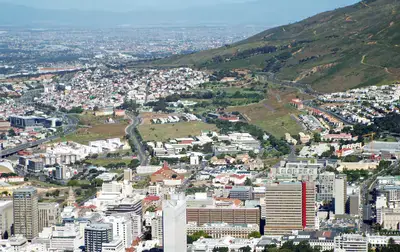
Three decades after the end of apartheid, South Africa continues to struggle with issues of belonging and identity. The country's transition to democracy in 1994 was marked by a negotiated settlement, but this process was accompanied by political violence and social and economic compromises. As a result, questions about whose project decolonization is in democratic South Africa remain unanswered. Busisiwe Madikizela-Theu, a social worker, ponders what it means to call the decolonization project African.
The African National Congress's 1992 strategic document revealed that the movement did not have the capacity to overthrow the apartheid state and that resuming armed struggle was not viable at that point. The chosen strategy combined negotiations with mass mobilization and international pressure. This decision was made under pressure, not evidence that the democratic future had simply been left unprepared. However, it raises questions about whether people were prepared for the social and political compromises that democracy would bring.
Nelson Mandela's presidency brought a strong language of human rights, democracy, and peace into foreign policy. South Africa rebuilt relationships across the Global North and South while maintaining ties formed during the liberation struggle. Mandela called for sanctions against the Abacha regime after the execution of Ken Saro-Wiwa, showing the force and limits of that ethical approach. However, South Africa's position was isolated, and it did not secure broad support from African or Western governments.
Under Thabo Mbeki, the African dimension of South Africa's foreign policy became more structured. The African Renaissance was tied to building continental institutions, and Mbeki played a central role in advancing the African Union and New Partnership for Africa's Development. This was a serious attempt to give African countries greater influence over continental governance and development. However, Mbeki's approach also carried contradictions, such as his quiet diplomacy on Zimbabwe, which prioritized negotiation and regional stability.
A recent review argues that later administrations changed the methods and emphasis while carrying forward objectives established under Mandela and Mbeki. This complicates the idea of a clear Africanist period followed by a complete departure. The harder question is whether those founding visions entered the country's shared political life or remained more visible in diplomacy and official language. A recent survey found that 58% of South Africans felt equally attached to their ethnic identity and nationality.
The survey also revealed that 26% of South Africans felt more or only ethnic, and 16% valued national identity more. Only 31% said they trusted members of other ethnic groups somewhat or a lot. Eight percent said they would not mind or would welcome a neighbor from another ethnic group. These figures invite us to ask what African belonging means in ordinary life, beyond political speeches and foreign-policy strategies.
As a social worker, Madikizela-Theu emphasizes that the democratic project is encountered in ordinary places, such as clinics, social grant applications, and child-protection meetings. The state is experienced through whether services are reachable, respectful, and responsive to the language and circumstances of a community. Decolonization matters to social work practice, and South Africa's developmental welfare policy linked people-centered services to wider realities such as health, housing, and employment.
Key points
- The country's transition to democracy was marked by a negotiated settlement that was accompanied by political violence and social and economic compromises.
- Questions about whose project decolonization is in democratic South Africa remain unanswered.
- The African Renaissance was a serious attempt to give African countries greater influence over continental governance and development.
Reporting sources
- We are free but belonging is a struggle · Mail & Guardian