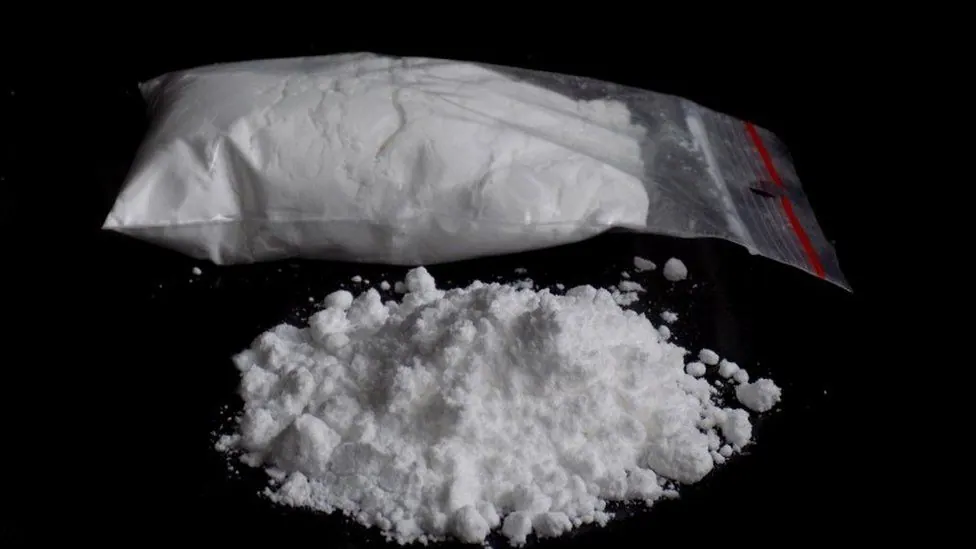
The Global Organised Crime Index has raised concerns about the risks faced by journalists investigating sensitive subjects, including drug trafficking, political vigilantism, and corruption in Ghana. According to the report, media coverage of organised crime, particularly the cocaine trade, has been limited in recent years due to threats made to journalists for writing about sensitive topics. This has resulted in intimidation affecting scrutiny of organised crime, despite Ghana's guarantees of media pluralism and independence.
The report notes that some journalists pursuing sensitive investigations have faced severe violence, including violent targeting and even killing. However, it also states that most journalists are able to carry out their work without this extreme level of risk. The assessment suggests that intimidation is affecting scrutiny of organised crime, and concerns persist regarding the harassment and intimidation of journalists facilitated by a restrictive legal framework.
The Global Organised Crime Index also identifies concerns about the legal environment within which journalists operate in Ghana. Although Ghana guarantees media pluralism and independence, concerns persist regarding the harassment and intimidation of journalists facilitated by a restrictive legal framework. The report does not specify the legal provisions underpinning its concerns or identify the journalists affected.
Beyond press freedom, the assessment describes Ghana's civil society sector as active, although organisations face criticism and pressure from the government, particularly over drug rehabilitation and treatment. Ghana's civil society sector is engaged on various issues, despite facing criticism and pressure from the government, notably in drug rehabilitation and treatment.
The report highlights shortcomings in victim and witness support, including inadequate assistance for drug users and a shortage of shelters for victims of other crimes. Much of the rehabilitation support available relies on private institutions, often funded by religious organisations, raising questions about the impartiality, independence, and professionalism of support systems.
The report acknowledges interventions to improve assistance for trafficking victims, including expanded trauma care, a multilingual reporting hotline and mobile application, and labour inspections to remove children from exploitative work. Civil society organisations have undertaken awareness campaigns against counterfeit products and illegal pesticides and fertilisers.
The assessment notes that resource constraints continue to limit government agencies' capacity to implement crime prevention policies. The report also highlights that cybercrime is undermining Ghana's digital sector, and fraud and tax evasion are widespread across Ghana's economy.
Key points
- Threats against journalists have reduced media coverage of organised crime, particularly the cocaine trade, in Ghana.
- Ghana's civil society sector faces criticism and pressure from the government, particularly over drug rehabilitation and treatment.
- Shortcomings in victim and witness support, including inadequate assistance for drug users and a shortage of shelters for victims of other crimes, have been identified.