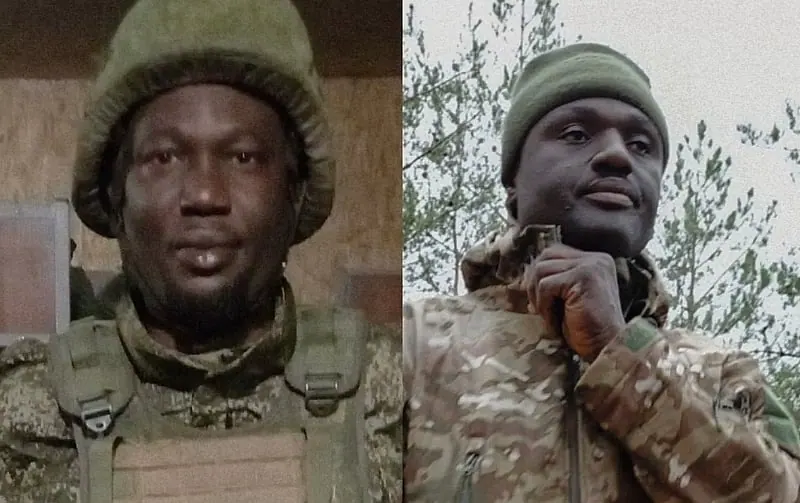
A recent investigation by Amnesty International has revealed that thousands of Africans have been recruited into Russia's armed forces through deceptive and coercive practices. The organization found that people from countries including Sierra Leone, Somalia, South Africa, and Egypt were drawn into the Russian military after being promised civilian employment, high salaries, or other incentives. In many cases, these practices amounted to human trafficking. The recruitment pipeline, built on unemployment and misleading job offers, has quietly drawn thousands of Africans into the front lines of Europe's bloodiest war since 1945.
According to the INPACT/All Eyes on Wagner collective, 1,417 African nationals from 35 countries signed contracts with the Russian army between 2023 and 2025. The database contains names, nationalities, dates of birth, military registration numbers, and contract dates, along with dates of death and military units for those killed. Of these recruits, 316 were recorded as killed in action, with an average period of service of only about six months. The human cost is stark, with many families left unaware of their relatives' whereabouts, how they were recruited, or where they died.
The scale of the phenomenon goes far beyond isolated cases, with recruits identified from numerous African countries. Egypt has the highest number of recruits, with 361 individuals, while Cameroon has suffered the most deaths, with 94 recorded fatalities. Ghana has also been affected, with 234 recruits and 55 confirmed deaths. These figures turn the story from a handful of recruitment scams into a broader question about how Africa's economic vulnerabilities are being converted into manpower for a foreign war.
Behind these numbers are young men who, in many cases, did not leave Africa intending to become soldiers. Some were promised civilian employment or help obtaining Russian visas and legal status; only once in Russia did they discover that the opportunity was tied to military service. Others were presented with Russian-language contracts they did not understand before being sent into combat. The tragedy is not only that Africans are dying in this war but also that some families do not even know where their relatives went, how they were recruited, or where they died.
Some African governments have begun to treat the recruitment of their citizens as more than a series of isolated cases. Kenya has taken the issue directly to Moscow, and Russia has agreed to place Kenya on a military recruitment stop list and facilitate the disengagement of Kenyans already serving. Ghana has also moved from concern to investigation, with the government looking into alleged criminal recruitment networks after reports that 272 Ghanaian nationals had been drawn into the war through fraudulent employment schemes.
The responses across the continent remain uneven, however. Recruits have been identified from numerous African countries, but governments differ sharply in their willingness or ability to investigate recruitment networks, negotiate with Moscow, and support affected families. The protection an African citizen receives can depend heavily on whether their government is willing and able to intervene, and recruitment networks do not respect borders.
The issue raises questions about whose interests are truly being served when economic vulnerability becomes a recruitment tool for a foreign war. For years, African countries have sought greater agency in their relations with external powers, insisting that partnerships serve African interests rather than reproduce dependency. As the situation continues to unfold, it remains to be seen how African governments and international organizations will respond to this crisis and protect the rights of their citizens.
Key points
- 1,417 African nationals from 35 countries have been identified as signing contracts with the Russian army between 2023 and 2025.
- 316 African recruits have been recorded as killed in action, with an average period of service of only about six months.
- African governments have begun to respond to the crisis, with Kenya and Ghana taking steps to investigate recruitment networks and support affected citizens.