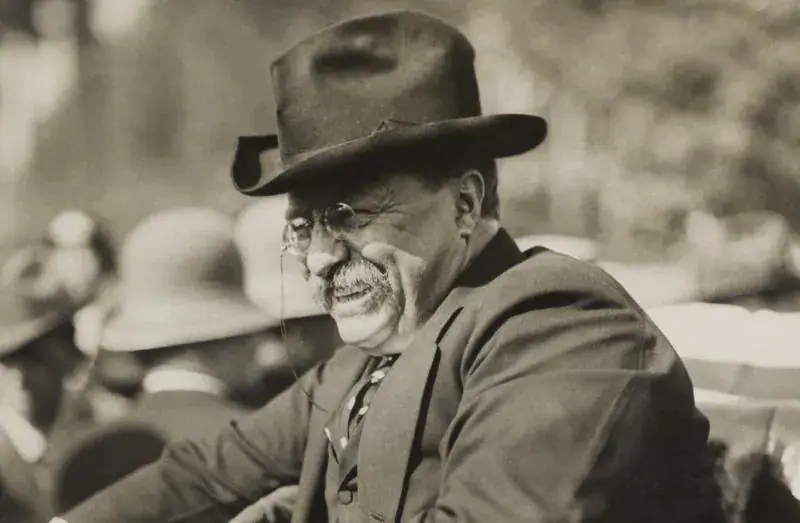
The 1904 United States presidential election, set to take place on November 8, drew significant attention from French media. Two candidates were vying for the office: Democratic nominee Alton Parker and Republican candidate Theodore Roosevelt. As the incumbent president since 1901, following the assassination of William McKinley, Roosevelt was a well-known figure, not only in the United States but also in France. His dynamic personality and eventful life had captured the imagination of the French public, who saw him as the quintessential American.
Roosevelt's background was impressive, with experience as a naturalist, writer, historian, cowboy, soldier, police chief, and governor. He was renowned for his exceptional oratory skills, athleticism, and commitment to upholding free competition and environmental conservation. The French press portrayed Roosevelt as a charismatic leader, often drawing comparisons to prominent European figures. His reputation as a self-made man, who had risen to prominence through his own efforts, resonated with many.
French newspapers, such as L'Événement, described Roosevelt as a man of exceptional character, with qualities of activity, audacity, and honesty. His military service, including his role in the Spanish-American War, and his efforts to combat corruption and promote social justice, were widely admired. The French media also highlighted Roosevelt's use of media to connect directly with the public, bypassing traditional party channels.
Many French publications, including Le Petit Marseillais, hailed Roosevelt as "the American par excellence," embodying the qualities associated with the United States, such as energy, action, strength, and optimism. His family background, education, and personal character were seen as exemplary of American values. Roosevelt's commitment to fairness and his distrust of excessive wealth and power were also noted.
The 1904 campaign was marked by innovative approaches to reaching voters. Roosevelt's use of cinema as a propaganda tool was particularly noteworthy. Le Figaro reported on the "cinématographe électoral," which showed Roosevelt engaging in various activities, providing an entertaining and modern way to connect with the public.
While the French media largely admired Roosevelt, not all voices were unanimous in their praise. La Revue politique et littéraire published an article by Ernest-Charles, who questioned Roosevelt's self-made status, given his wealthy upbringing. However, such dissenting views were relatively rare, and the overall tone of the French media coverage was overwhelmingly positive.
Ultimately, Roosevelt's campaign was successful, and he won the election in a landslide. The French media coverage of his campaign provides valuable insights into the international perception of American politics during this period. Roosevelt's charisma, policies, and use of modern media helped to cement his reputation as a leader and a symbol of American values.
Key points
- Theodore Roosevelt's 1904 presidential campaign was closely followed by the French media, which portrayed him as a charismatic leader and the quintessential American.
- Roosevelt's use of innovative media, including cinema, was a notable aspect of his campaign.
- The French media largely admired Roosevelt, seeing him as a self-made man who embodied American values such as energy, action, and fairness.