Nigeria's transportation crisis has reached alarming levels, with the sector contributing less than three percent of the country's GDP. The crisis is not limited to air travel, but also affects road and water transportation. A recent study by SBM Intelligence found that commuter routes out of Ikeja across major corridors in Lagos take significantly longer than expected, with Ikeja to Badagry taking six hours 39 minutes outbound and four hours 28 minutes return.
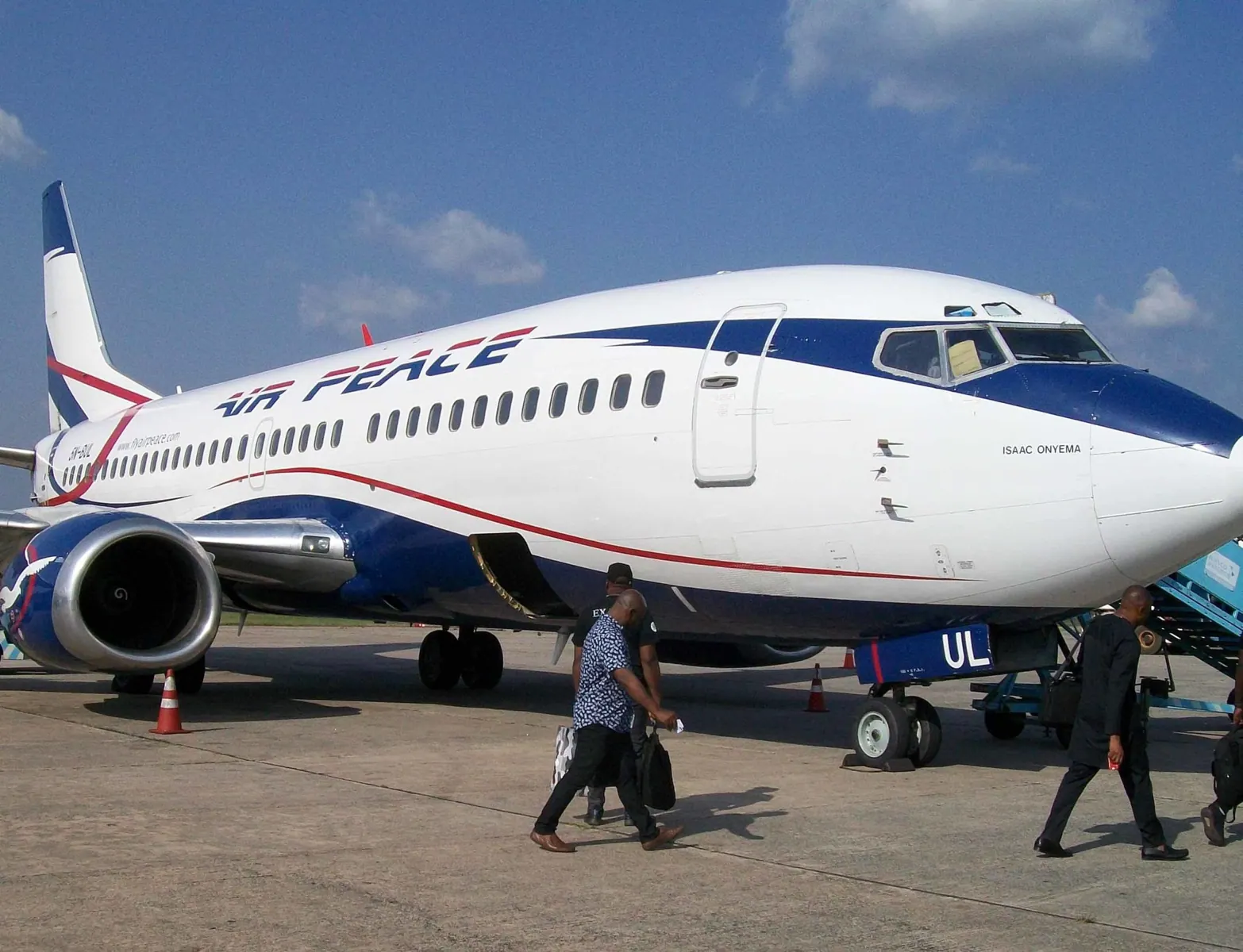
Air travel in Nigeria is marred by delays and cancellations, with the Nigerian Civil Aviation Authority reporting that 59.9 percent of domestic flights were delayed in August. Of 7,961 domestic flights, 4,765 were delayed, while only 36 were cancelled. Air Peace delayed 1,330 of 1,864 flights, and United Nigeria delayed 943 of 1,231 flights, a rate of 76.6 percent. Passengers have taken to blockading boarding gates and adopting a "nobody leaves" policy in protest of flight cancellations.
The transportation crisis has significant economic costs, with the Danne Institute estimating that Lagos traffic congestion costs ₦4 trillion annually in lost productivity, wasted fuel, and missed business opportunities. This is about four percent of Nigeria's GDP. The average commuter spends 2.21 hours in traffic daily, and the city loses about 14.12 million productive hours each day.
The crisis is not limited to urban areas, with agricultural corridors suffering when food transit stretches from hours into days over cratered highways, spoiling perishable goods and compounding food inflation. A survey of interstate truck and bus operators found frequent tyre punctures, ruined suspension systems, and mechanical breakdowns. Vehicles stranded on isolated corridors become vulnerable to kidnapping and highway robbery.
The Chartered Institute of Transport Administration has warned that Nigeria's $1 trillion economy target by 2030 is impossible without fixing the transportation infrastructure. The institute notes that poor transport infrastructure adds an estimated 30 to 40 percent to the cost of doing business. The ECOWAS Bank for Investment and Development expects the Bauchi roads and bridges programme to return 14 to 16 percent annually and create 7,000 jobs.
Other countries have seen significant economic benefits from investing in transportation infrastructure. China's high-speed rail network has pulled inland cities into the national economy, with corridor cities growing 1.2 percentage points faster than the national average. Every 100 million yuan invested has generated more than 200 million yuan in surrounding GDP. Indonesia's Brantas Tarum Barat project found that every rupiah invested generated 2.59 rupiahs in economic value.
Despite spending over $200 billion on infrastructure since 2000, Nigeria's transportation sector remains underdeveloped. The sector is the engine of every modern economy, but Nigeria's is idling on the road and stranded at the gate. Until this changes, the growth Nigeria promises itself will remain a press release. The transportation crisis has far-reaching consequences for the country's economy and citizens, and urgent action is needed to address it.
Key points
- The Nigerian transportation sector contributes less than three percent of GDP.
- Lagos traffic congestion costs ₦4 trillion annually in lost productivity and fuel.
- Nigeria's $1 trillion economy target by 2030 is unlikely without improved transportation infrastructure.