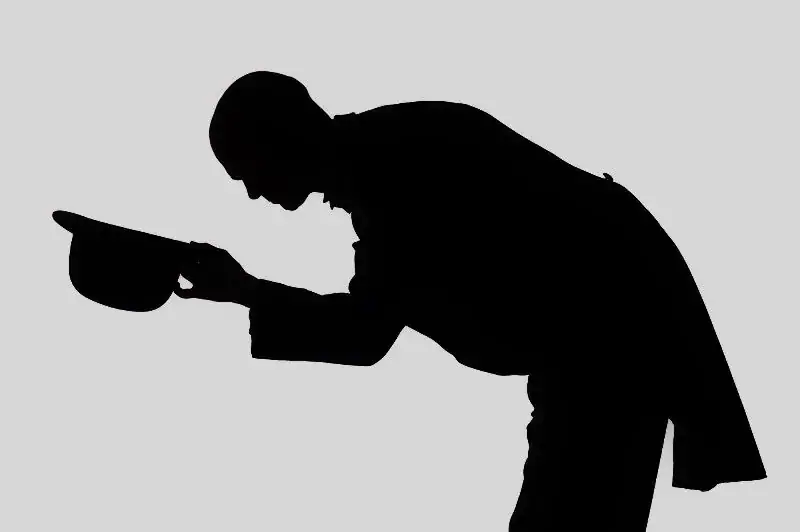
The practice of removing headwear, such as a hat or cap, in Morocco is deeply rooted in tradition. It is often seen as a sign of respect, particularly when the national anthem is played, in gatherings, or when entering a classroom or meeting. This custom is believed to have originated in medieval Europe, where knights would remove their helmets to show their face and offer assurance to those they interacted with. Over time, it evolved into a bourgeois Western etiquette.
However, upon closer examination, the significance of this tradition comes into question. The focus on removing headwear, specifically from the head, overlooks the individual's inner qualities and intentions. For instance, a student may remove their cap in class but still be un respectful or distracted. Conversely, another student may choose to wear a cap due to personal style or to conceal their hair, yet remain fully engaged and respectful in their studies.
In modern times, headwear has become more than just a practical means of protection from the sun; it has also become a part of one's visual identity and personal expression, particularly among young people. When institutions enforce the removal of headwear, it can be seen as an attempt to standardize individuals and suppress their unique characteristics. This raises concerns about the balance between promoting respect and individuality.
The enforcement of headwear removal can be perceived as a form of control over one's body and attire without a logical reason. In situations like national anthems or official gatherings, this tradition is often used to test individuals' obedience. Unfortunately, those who choose not to remove their headwear may be unfairly judged or ostracized without consideration for their circumstances, such as health issues or simply being unaware of the protocol.
The debate surrounding headwear removal highlights the complexities of cultural traditions and their evolution over time. While the original intention behind this custom was to promote respect and openness, its continued enforcement may have unintended consequences, such as stifling individuality and creativity. As society continues to evolve, it is essential to reassess these traditions and consider their relevance and impact on modern life.
In Morocco, as in many other countries, the way people express themselves through their attire and appearance is an integral part of their identity. By acknowledging and respecting these differences, institutions can promote a more inclusive and accepting environment. This might involve reevaluating traditional practices and finding ways to balance respect for authority with individual freedom of expression.
Ultimately, the discussion around headwear removal serves as a catalyst for reflection on the values and norms that underlie our social interactions. By engaging in open and nuanced discussions, Moroccans and people around the world can work towards a deeper understanding of the complex relationships between tradition, identity, and individuality.
Key points
- The tradition of removing headwear in Morocco sparks debate on whether it signifies respect or enforces conformity.
- The practice has origins in medieval Europe, where it was a sign of respect and openness.
- The enforcement of headwear removal can be seen as a form of control over one's body and attire.