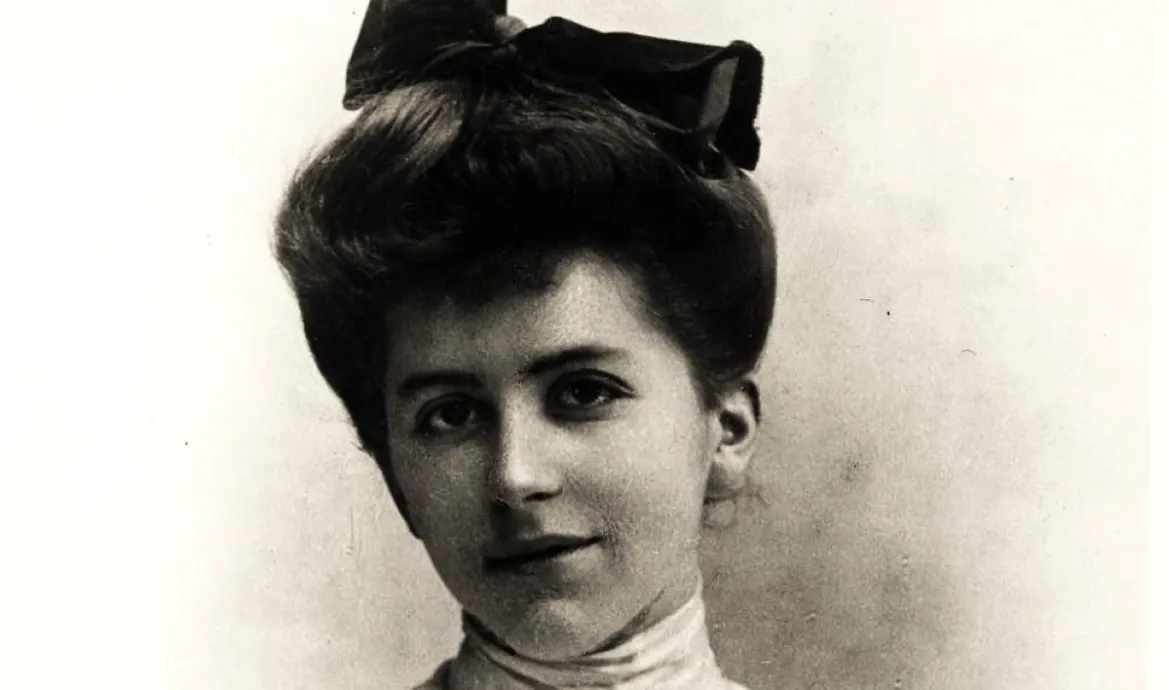
In 1914, Karen Dinesen, a young Danish woman, arrived in British East Africa with a broken heart and a desperate plan. After being rejected by the man she loved, she married his twin brother and fled to Kenya to start anew. Together, they bought 6,000 acres at the foot of the Ngong Hills and planted coffee. As her husband disappeared on safaris, Karen taught herself Swahili, managed hundreds of workers, and discovered a sense of freedom she had never known before.
However, this newfound freedom came with a terrible price. Her husband's infidelities led to her contracting syphilis, and the only treatments available were arsenic and mercury, which slowly destroyed her body from the inside. The marriage eventually shattered, but Karen refused to leave Africa. She stayed, alone and ill, fighting to save her dying farm. It was during this time that she met Denys Finch Hatton, an English aristocrat and big-game hunter who shared her love for the wilderness.
Karen and Denys's love was profound and impossible. He would vanish for months, only to appear at her door without warning, filling her world with light before disappearing again into the bush. Karen accepted him on his own terms, refusing to cage what she loved. Meanwhile, the coffee farm struggled, and the altitude and soil proved unsuitable for the crop. Year after year, the crops failed, and debt piled up. The global depression hit, and in 1931, everything collapsed.
On May 14, 1931, Denys took off in his yellow biplane to scout the landscape he loved from above. The plane circled twice, then plunged to earth and exploded, killing him instantly. Karen buried him in the Ngong Hills, the place they had chosen together as their final resting spot. She then turned her back on Africa forever, leaving with nothing but scars and memories. She was 46, penniless, gravely ill, and utterly alone.
Back in Denmark, living at her family's estate with nothing left, Karen could have surrendered to bitterness. Instead, she began to write using the pen name Isak Dinesen. She published Seven Gothic Tales in 1934 to critical acclaim, and her next book, Out of Africa, in 1937, became an international sensation. The book opened with one of literature's most haunting lines: "I had a farm in Africa, at the foot of the Ngong Hills."
Out of Africa was not just a memoir but a meditation on light and landscape, on belonging and loss, on loving what you cannot keep. The book established Karen as one of the twentieth century's great literary voices. Decades later, it became an Academy Award-winning film seen by millions worldwide. Karen Blixen never returned to Africa but spent her final years at Rungstedlund, writing and remembering, until her death in 1962.
Through her words, Karen took 17 years of heartbreak and transformed them into something timeless. She may have lost her land, her love, her health, and fortune, but she never lost her story. The most powerful thing we can ever do is decide how our story gets told. Today, Karen Blixen remains a literary icon, and her life has inspired Oscar-winning films and museums in Denmark and Kenya.
Key points
- Karen Blixen's 17-year journey in East Africa inspired her literary works, including Out of Africa and Seven Gothic Tales.
- Her relationship with Denys Finch Hatton deeply shaped her writing and ultimately led to her literary success.
- Karen Blixen's legacy continues to inspire and influence literature and art to this day.