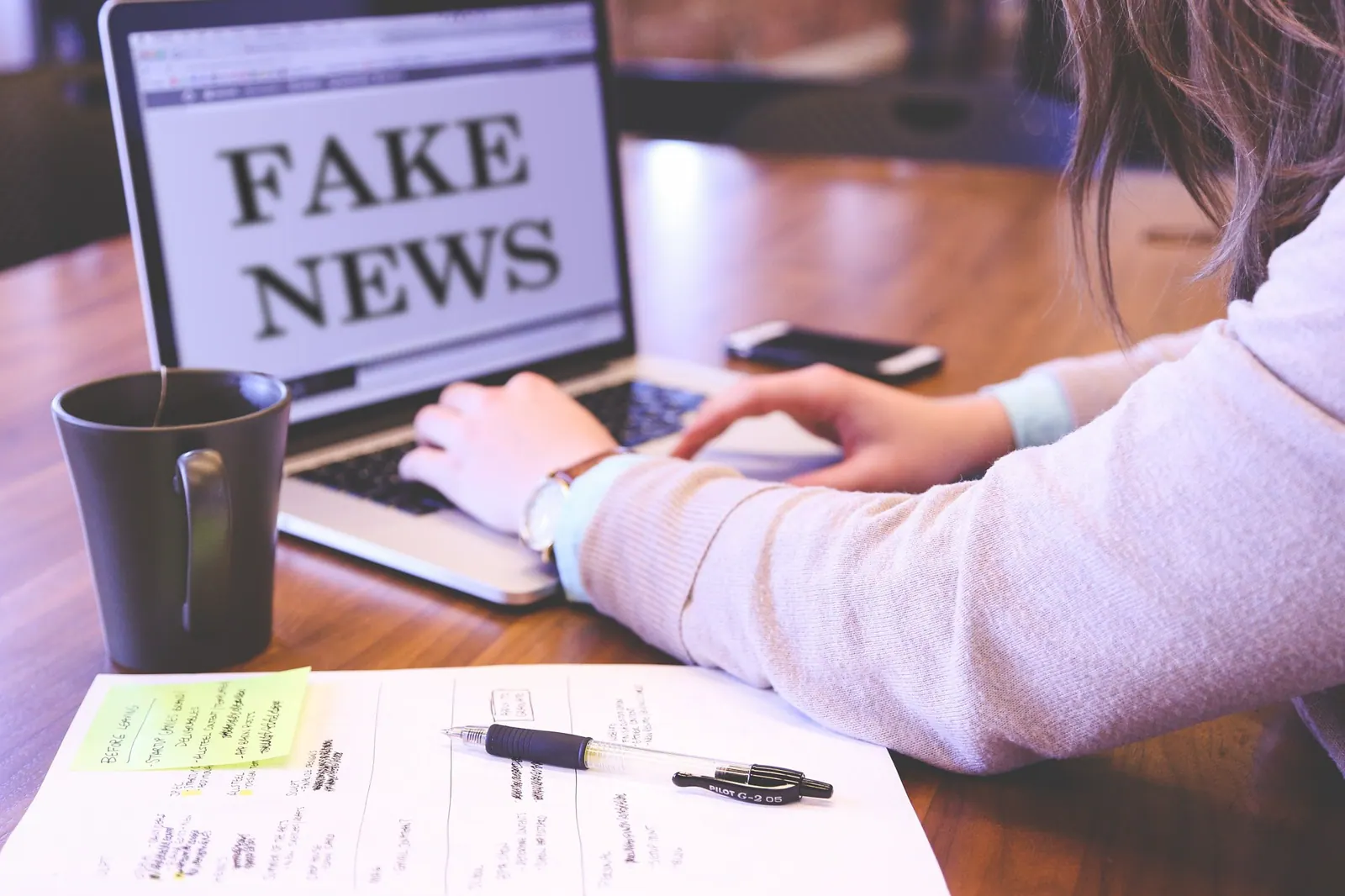
The phenomenon of fake news is not new, but its rapid spread has become a pressing concern in the digital age. Social media platforms have made it easy for anyone to share information with the world, often without verifying its accuracy. This has led to the proliferation of misinformation, which can have serious consequences. According to a study in the United States, over 25% of Americans visited at least one fake news website during the 2016 presidential election.
The problem of fake news extends beyond the internet. Friends, family, and colleagues can also spread misinformation, often unintentionally. For instance, a person may share a rumor or unsubstantiated claim with others, which can then spread quickly through social circles. This can create a culture of mistrust and skepticism, where people are unsure of what to believe or who to trust.
The consequences of fake news can be severe. It can influence people's behavior, encouraging them to make poor decisions or engage in negative activities. Fake news can also damage businesses and reputations, particularly if it involves false or misleading information. For example, fake online reviews or inaccurate financial updates can have a significant impact on a company's reputation and bottom line.
The spread of fake news is a complex issue, and there is no easy solution. However, it is essential for individuals to be vigilant and critically evaluate the information they consume online. This involves verifying sources, checking facts, and being cautious of sensational or provocative headlines. By taking these steps, individuals can help to mitigate the spread of fake news and promote a culture of accuracy and truth.
Social media platforms also have a role to play in addressing the issue of fake news. Many platforms have implemented measures to identify and flag fake news, such as fact-checking algorithms and labels. However, these efforts are not always effective, and more needs to be done to address the problem. Ultimately, it will require a concerted effort from individuals, social media platforms, and governments to combat the spread of fake news.
One of the challenges in addressing fake news is the difficulty in identifying its source. With the vast amount of information available online, it can be hard to track down the origin of a particular story or claim. This makes it essential for individuals to be cautious and not to share information without verifying its accuracy.
Despite the challenges, it is essential to continue to fight against fake news. By promoting a culture of accuracy and truth, individuals can help to build a more informed and engaged society. This involves being mindful of the information we consume and share online, and taking steps to verify its accuracy. By working together, we can create a safer and more trustworthy online environment.
Key points
- The spread of fake news can have serious consequences for individuals and society, including influencing behavior and damaging businesses and reputations.