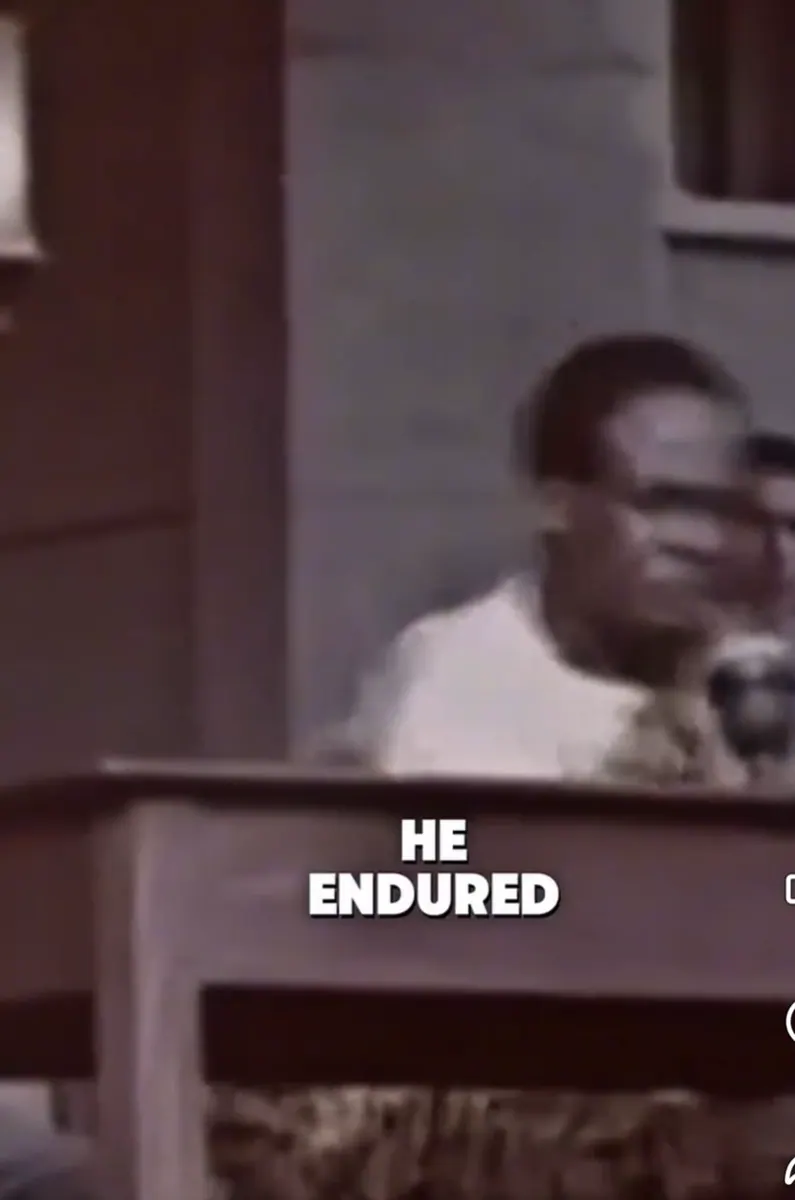
On March 6, 1957, a sense of anticipation filled the air in Ghana as the nation stood on the cusp of a new era. In the National Assembly, Prime Minister Kwame Nkrumah was attending a legislative debate, but his focus was elsewhere. His eyes kept drifting towards the clock, a symbol of the countdown to Ghana's independence. The British Empire's colonial rule was nearing its end, and Nkrumah's thoughts were already in the future, envisioning the Republic of Ghana as an independent nation.
The atmosphere in the National Assembly was thick with tension as Nkrumah's restlessness was palpable. To the casual observer, he appeared to be enduring a routine debate, but his body language told a different story. His sharp and restless eyes betrayed his eagerness for the clock to strike midnight, marking the end of colonial rule. The voices of colonial officials and fellow legislators seemed to fade into the background as Nkrumah's attention was focused on the moment of independence.
Time seemed to move with a deliberate slowness in the assembly that day. Each tick of the second hand felt like an eternity, and every minute seemed to stretch into a year. Nkrumah's restlessness was not just a product of his anticipation but also a manifestation of the nation's birth pangs. He was a man whose spirit had already crossed the finish line of independence, waiting for his body to catch up.
As the clock struck midnight on March 6, 1957, the slowness ended, and history exploded into the light. Ghana finally gained its independence from British colonial rule, marking a significant milestone in the nation's history. The moment was a culmination of years of struggle and sacrifice, and Nkrumah's leadership played a crucial role in achieving this goal.
The significance of this moment cannot be overstated. Ghana's independence marked a new era for the nation, one of self-governance and determination. Nkrumah's vision for the Republic of Ghana was one of progress and development, and his leadership would guide the nation through the early years of its independence.
The event was broadcast on various radio stations, including Asaase Radio, which has a significant presence in Ghana. The radio station's affiliates across the country, including Bawku FM, Bead FM, and Mining City Radio, among others, played a crucial role in disseminating the news to the masses.
Today, Ghana continues to celebrate its independence, marking over 60 years of self-governance and nationhood. The legacy of Kwame Nkrumah continues to inspire generations of Ghanaians, and his role in leading the nation to independence remains a pivotal moment in the country's history.
Key points
- Kwame Nkrumah led Ghana to independence on March 6, 1957.
- The moment marked a significant milestone in Ghana's history, ending British colonial rule.
- Ghana's independence paved the way for self-governance and national development.