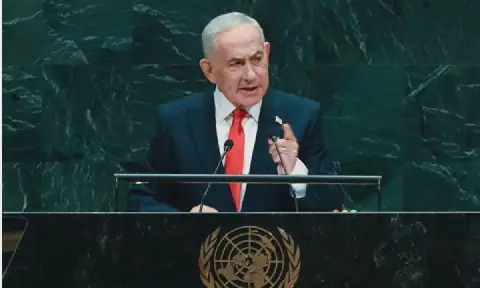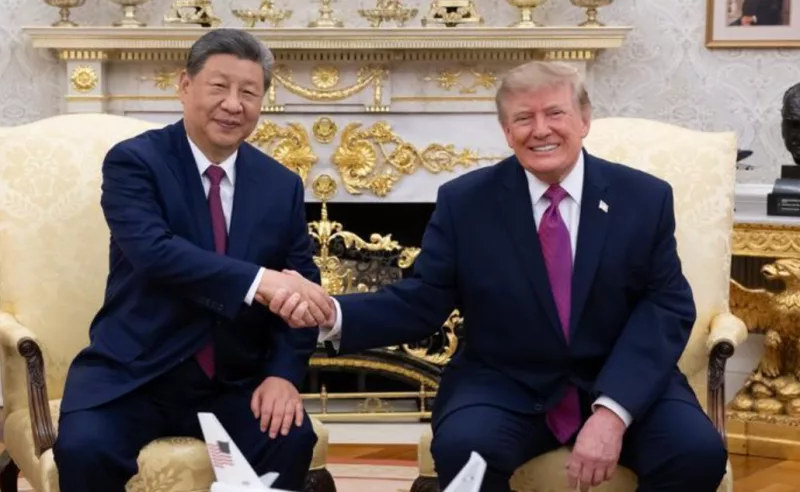
The exchange of state visits between President Xi Jinping and President Trump within six months is more than diplomatic theater. It signals that the US and China, two powers whose choices shape trade, technology, security, and climate policy worldwide, want to keep their relationship from sliding into unmanaged confrontation. President Trump traveled to Beijing in May, and President Xi arrived in Washington for a state visit from September 23 to 25.
The symbolism of these visits matters, but so does the practical question: can sustained leader-level contact produce a more stable China-US relationship? In relations as complex and competitive as those between Washington and Beijing, misunderstanding is not a minor inconvenience. It can become policy. A tariff is interpreted as coercion; an export restriction is read as containment; a military maneuver is seen as a test of resolve.
Without direct communication at the highest level, each side may respond to what it fears the other intends, rather than to what the other has actually said. That is why head-of-state diplomacy plays an irreplaceable role. Leaders can set the strategic tone in ways that Cabinet secretaries, trade negotiators, and military commanders cannot. They can state core positions clearly, identify non-negotiable concerns, and authorize practical follow-up.
China has described head-of-state diplomacy as playing a strategic, guiding role in bilateral ties; the phrase captures a real dynamic. When Xi and Trump speak directly, they establish the political parameters within which officials can negotiate, cooperate, and manage disputes. Close contact also reduces the danger of miscalculation. Direct talks give both leaders a chance to clarify red lines on Taiwan, trade, technology controls, artificial intelligence, and regional conflicts.
The concluded summit agenda included trade, AI, Iran, and Taiwan—precisely the areas where a misstep could have global consequences. Some observers may dismiss the Washington meeting as high in ceremony and low in substance, but its importance lies in stabilization. The reciprocal visits demonstrate that both governments see value in continuity. Trump’s May visit to Beijing and Xi’s return visit to Washington show a willingness to keep engaging even amid disagreement.
A stable US-China relationship matters to Africa, as African economies are exposed to both powers. Many countries import Chinese machinery, electronics, and telecommunications equipment, while others rely on exports of oil, minerals, and textiles to markets influenced by American tariffs and financial policy. A stable trading relationship can help preserve room for African governments to diversify suppliers, attract investment, and plan infrastructure projects with greater confidence.
The larger lesson is that China and the US do not need to like every aspect of each other’s policies to avoid catastrophe. They need reliable communication, disciplined crisis management, and leaders willing to engage even when domestic politics reward toughness. The Xi-Trump visits suggest that both governments understand this.
Key points
- The reciprocal state visits between Trump and Xi aim to stabilize the complex US-China relationship.
- The visits demonstrate a willingness to engage in diplomacy despite disagreements between the two nations.
- A stable US-China relationship has significant implications for Africa, given the continent's economic exposure to both powers.