When world leaders adopted the Sustainable Development Goals (SDGs) in 2015, they set ambitious targets to achieve a better future. The SDGs comprise 17 interconnected goals and 169 specific targets covering economic development, social progress, and environmental sustainability. They succeeded the Millennium Development Goals in 2016 and complement the African Union's Agenda 2063, providing a shared framework for long-term planning.
Recent global challenges, including the Covid-19 pandemic, wars, rising debt, inflation, and growing geopolitical rivalry, have slowed progress toward achieving the SDGs. The pandemic disrupted the global economy and national healthcare systems, while the Russian invasion of Ukraine increased food, fertilizer, and energy prices. Higher inflation prompted central banks to raise interest rates, increasing borrowing costs for governments attempting to recover.
Despite these obstacles, Africa has continued to make important strides. More people have access to electricity and healthcare than ever before. The African Continental Free Trade Area (AfCFTA) is gradually creating a larger integrated market of 1.4 billion people, which should lift the continent's long-term economic growth prospects. Mobile banking is also driving financial inclusion, with the AfCFTA Secretariat aiming to double intra-African trade volumes between 2024 and 2035.
However, poverty remains a significant challenge. SDG 1 calls for ending extreme poverty in all its forms, but more extremely poor people still live in sub-Saharan Africa than anywhere else in the world. The World Bank estimates that over one-third of the region's population continues to live in extreme poverty, despite steady economic growth in many countries. Rapid population growth means that even where poverty rates fall, the absolute number of poor people can still increase.
Africa possesses around 60% of the world's uncultivated potential arable land, yet food insecurity is common. Climate change, patchy transport infrastructure, and underinvestment in agricultural supply chains have constrained progress toward SDG 2 on ending hunger. According to the latest UN assessments, more than two-thirds of Africans cannot afford a healthy diet, and more investment is needed in irrigation, storage, and food processing.
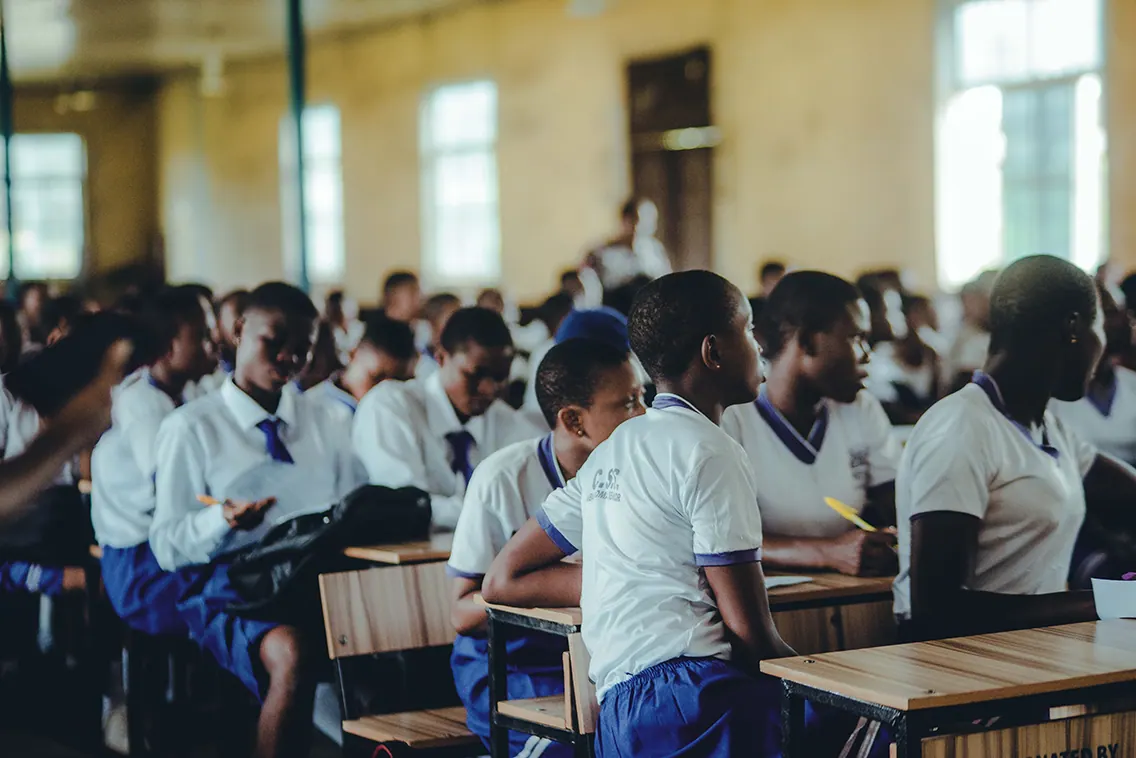
Progress has been greater in health and education, although the picture varies. Maternal and child mortality rates continue to fall, vaccination programs have recovered following the pandemic, and African pharmaceutical manufacturing capacity is growing. School enrollment rates have increased steadily over the past two decades, but rapid population growth and a shortage of teachers continue to limit educational quality.
Climate change remains the greatest external threat to achieving the SDGs. Although Africa contributes less than 4% of global greenhouse gas emissions, it is already experiencing rising temperatures, prolonged droughts, and devastating floods. Protecting forests, biodiversity, and marine ecosystems under SDGs 14 and 15 is crucial, as healthy ecosystems support agriculture and can help mitigate the effects of climate change.
Key points
- Africa has made significant progress in achieving the SDGs, but challenges persist.
- Poverty and food insecurity remain major obstacles to achieving the SDGs.
- Climate change poses a significant threat to Africa's progress toward achieving the SDGs.