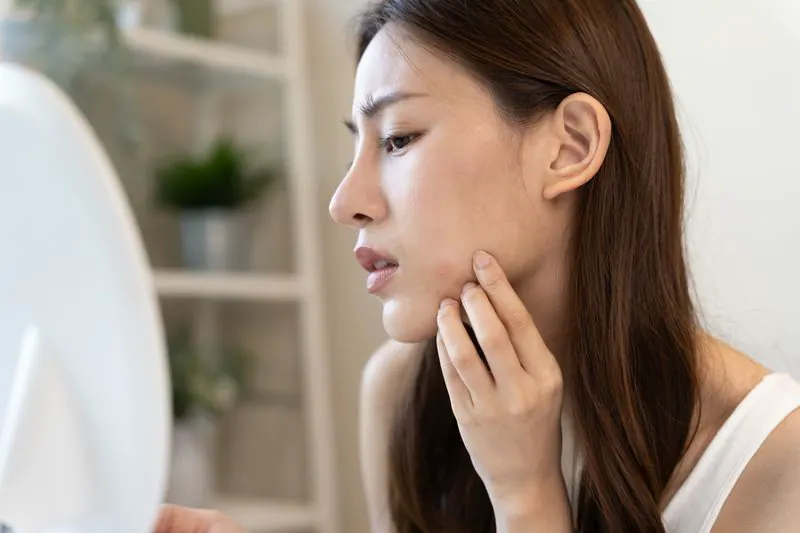
Pimple patches have become a staple in many skincare routines, particularly among those who struggle with acne. These small, adhesive patches are designed to be applied directly to individual pimples, promising to reduce inflammation and speed up the healing process. But do they actually work? According to research, pimple patches may improve the appearance of a pimple overnight, but the evidence is limited and more studies are needed to fully understand their effects.
To understand how pimple patches work, it's essential to know what causes pimples in the first place. A pimple forms when a hair follicle gets clogged with oil, dead skin cells, and bacteria, leading to inflammation and redness. Pimple patches, on the other hand, are based on hydrocolloid dressings, a technology developed decades ago for wound care. These patches are made from a hydrocolloid material that absorbs moisture, allowing it to soak up fluid from a pimple and hold it in place while the skin underneath heals.
Pimple patches also act as a physical barrier, covering the pimple and preventing it from being picked or squeezed, which can introduce more bacteria and worsen inflammation. Some patches are medicated, containing ingredients such as salicylic acid, tea tree oil, or benzoyl peroxide, which are designed to help exfoliate the skin, calm inflammation, or target acne-causing bacteria.
Despite their growing popularity, the evidence for pimple patches is still limited. A 2025 review found that most evidence for hydrocolloid patches comes from wound care, not for pimples specifically. Many studies on pimples are small and industry-funded, testing the brands' own patches, and often not "blinded," which can skew the results.
However, some studies have shown promising results. One manufacturer-funded trial found that applying a patch to a pimple that had already come to a head and been popped improved its appearance in a day. Another small industry-funded study followed 37 people over ten days, finding that pimples covered with patches were 35% smaller and looked 44% less inflamed by day two.
Pimple patches seem to work best on pimples that already have a visible white or yellow head, as the pus sitting inside has already risen close to the skin's surface, making it more accessible to the patch's absorbent gel. For best results, patches should be applied to clean, dry skin and left on for six to eight hours or overnight, and swapped once they turn cloudy and swollen.
While pimple patches can be handy for the odd pimple, they are not a substitute for acne treatment and may not work well for deep, painful cystic pimples or those with sensitive skin or allergies to adhesives. If pimples persist or worsen, it's essential to consult a GP or dermatologist to determine the underlying cause and find a suitable treatment.
Key points
- Pimple patches may improve the appearance of pimples overnight, but the evidence is limited and more studies are needed.
- Pimple patches work best on pimples with a visible white or yellow head.
- Pimple patches are not a substitute for acne treatment and may not work well for deep, painful cystic pimples or those with sensitive skin.