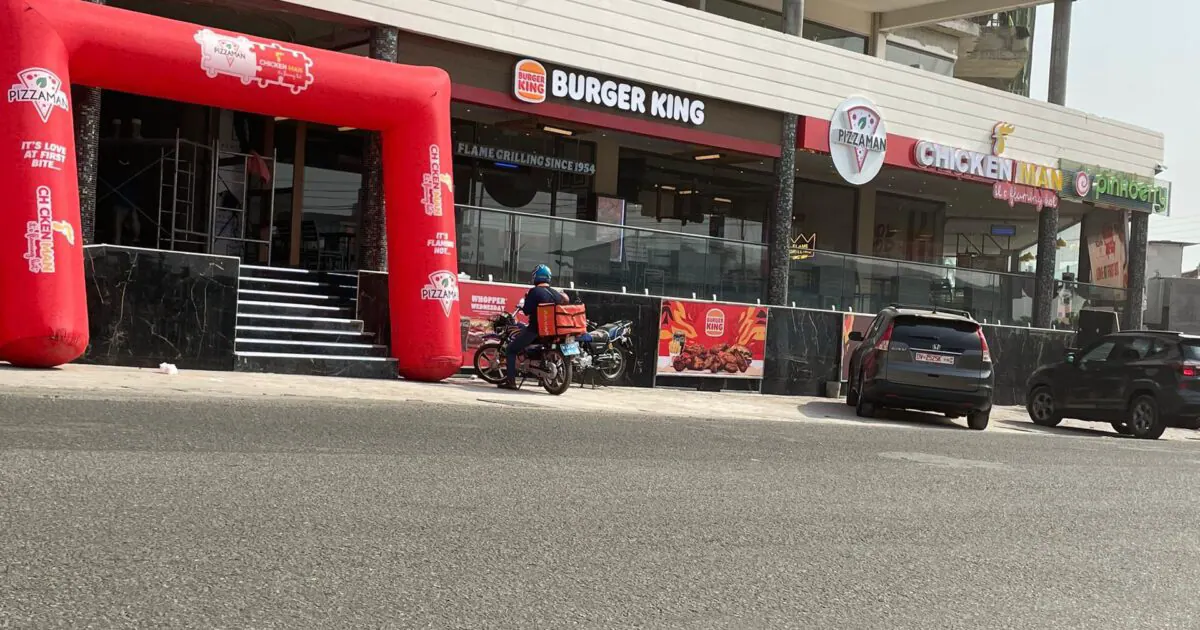
Ghana's food-service industry has undergone a substantial transformation over the past decade, with eating outside the home and ordering meals for delivery becoming increasingly popular, particularly in urban areas. Busy work schedules, commuting, and changing lifestyles are influencing how people eat, leading to a shift towards quick-service restaurants. This growth has resulted in a more competitive sector, with local and international operators offering a wide range of cuisines.
The growth of Ghana's fast-food sector has changed consumer expectations, with convenience, affordability, consistency, variety, and accessibility becoming key considerations. Digital ordering and delivery have further transformed the relationship between restaurants and their customers. Local businesses, such as Pizzaman Chickenman, have expanded considerably, developing a restaurant network that extends beyond Ghana's major commercial centers.
Pizzaman Chickenman's menu reflects the intersection between international fast-food culture and local tastes, offering a combination of pizza, chicken, jollof, and fried rice. This blend allows the brand to operate within a familiar category while retaining the characteristics of a quick-service restaurant. The company's growth reflects a broader trend in Ghana's food-service sector: the emergence of locally developed brands capable of building recognizable identities and serving consumers across different regions.
The expansion of Ghana's fast-food sector has increased competition, with international chains bringing established systems and standardized products to the market. Ghanaian operators have developed their own approaches to pricing, menus, locations, and customer engagement. For local businesses, competing in this environment requires managing supply chains, maintaining consistency across outlets, understanding changing consumer preferences, and incorporating technology into their operations.
The growth of the fast-food sector has significant implications for the Ghanaian economy, creating demand for workers, agricultural products, packaging, transportation, and other services. As local restaurant companies expand, their operations can form part of a wider domestic value chain, presenting an opportunity to retain more value within the local economy. However, expansion comes with challenges, including rising operating costs, food prices, energy expenses, and maintaining quality across a growing network of outlets.
The changing behavior of Ghanaian consumers, particularly in urban centers, is driving the growth of the fast-food industry. Customers are increasingly prioritizing time, convenience, and accessibility when choosing where to eat. This shift has created space for different types of businesses to operate within the same food ecosystem, with companies like Pizzaman Chickenman responding to changing consumer habits while building a recognizable national brand.
The next phase of Ghana's fast-food industry is likely to be shaped by competition, technology, and consumer behavior. Restaurants will need to balance affordability with rising production costs while maintaining food quality and service standards. Digital ordering, delivery, and data-driven customer engagement are likely to become increasingly important, while locally adapted menus will continue to influence competition.
Key points
- The growth of Ghana's fast-food industry reflects changing lifestyles and consumer preferences.
- Local businesses, such as Pizzaman Chickenman, are expanding and building recognizable national brands.
- The industry's growth has significant implications for the Ghanaian economy, creating demand for workers and services.