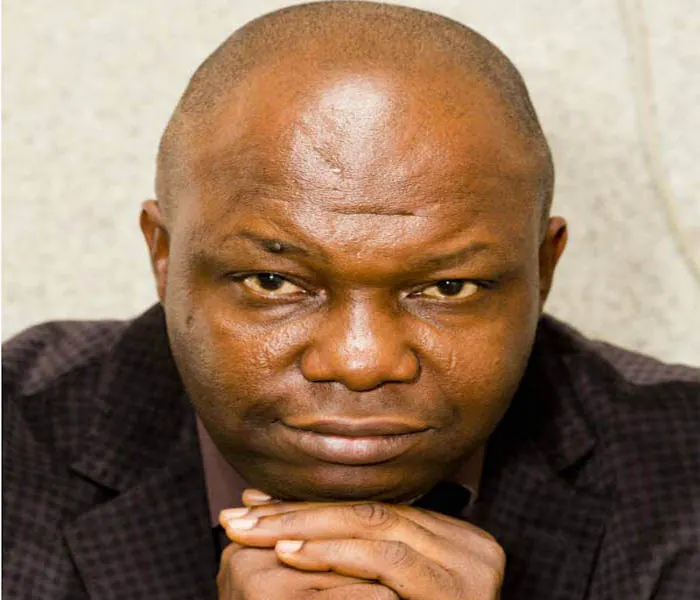
Nasir El-Rufai, a highly influential figure in Nigerian politics, has found himself in a difficult situation. His journey to prominence began in 2000 when he was the Director-General of the Bureau of Public Enterprises (BPE). El-Rufai's exceptional intellect and charisma made a lasting impression on those who met him. However, over the years, his uncompromising approach and lack of tact have led to numerous conflicts with his associates and opponents. El-Rufai has been in custody for over 200 days, facing charges from the Independent Corrupt Practices and Other Related Offences Commission (ICPC).
El-Rufai's relationships have been marked by controversy and combativeness. His public trajectory shows a history of clashing with prominent figures, including Atiku Abubakar, Olusegun Obasanjo, and Muhammadu Buhari. El-Rufai's approach to politics has been likened to that of a lion who feigns illness to lure prey into his cave, only to slaughter them. This approach has left a trail of damaged relationships and political casualties in its wake. Despite this, El-Rufai has also demonstrated a capacity for loyalty and friendship, particularly in his support for former Emir of Kano, Sanusi Lamido Sanusi.
El-Rufai's support for Sanusi during his dethronement in March 2020 was a significant move that showcased his loyalty and bravery. As governor of Kaduna State, El-Rufai shielded Sanusi from the consequences of his deposition, providing him with institutional solidarity and logistical assistance. El-Rufai appointed Sanusi Vice-Chairman of the Kaduna Investment Promotion Agency and Chancellor of Kaduna State University, demonstrating his commitment to protecting his friend. This move was seen as a bold challenge to the Buhari presidency.
El-Rufai's relationship with President Bola Ahmed Tinubu has also been a subject of interest. The two men have had a long-standing alliance, with El-Rufai playing a crucial role in Tinubu's rise to power. However, their relationship appears to have soured, with El-Rufai now facing challenges from his former ally. The situation bears some resemblance to the historical rift between Kenya's founding president, Jomo Kenyatta, and his vice president, Jaramogi Oginga Odinga.
The Kenyan example offers a window into the mechanics of power struggles that can play out in politics. Kenyatta and Odinga's relationship followed a similar pattern to that of Tinubu and El-Rufai, with Odinga playing a crucial role in Kenyatta's rise to power only to be later neutralized. This dynamic highlights the often ruthless nature of politics, where alliances are forged and broken in pursuit of power and influence.
El-Rufai's current situation has sparked reflection on his past actions and relationships. In a recent post on his X handle, El-Rufai offered insights into his approach to relationships and the consequences that have followed. His reflections highlight the complexities of his personality and the difficulties he has faced in navigating the treacherous landscape of Nigerian politics.
As El-Rufai faces the challenges of his current situation, his story serves as a reminder of the unforgiving nature of politics. His rise and fall offer valuable lessons on the importance of building and maintaining relationships, as well as the dangers of underestimating the loyalty and commitment of others.
Key points
- El-Rufai's story highlights the complexities and challenges of Nigerian politics.
- El-Rufai's relationships have been marked by controversy and combativeness.
- The dynamics of El-Rufai's situation bear some resemblance to historical power struggles in Kenya.