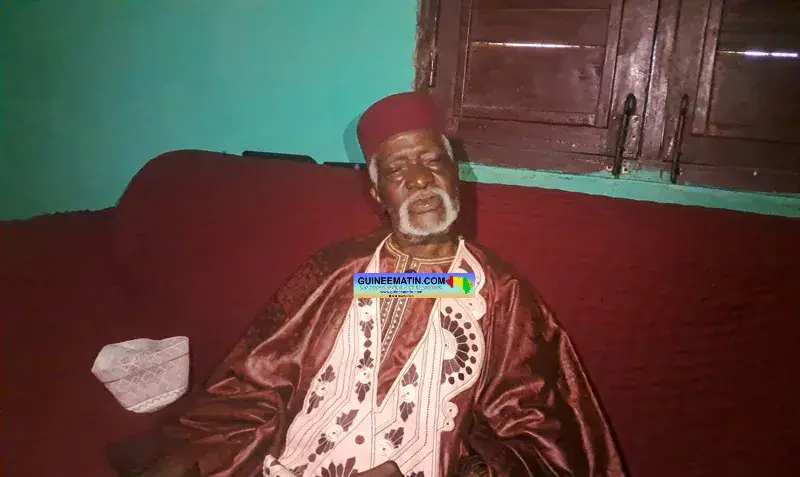
The city of Beyla in Guinea's Forestière region has a rich and diverse history shaped by its founding families and societal transformations. According to Elhadj Louncenou Kourouma, a retired teacher and former mayor of Beyla, the city's name originated from the village of Bérété, which was inhabited by the Bérété, Candé, and other communities. The name "Beyla" is believed to be a deformation of the word "Bérétéla," given by the villagers during the colonial era.
Elhadj Louncenou Kourouma emphasizes that the history of Beyla is closely tied to the surrounding villages and the families that contributed to their settlement. He notes that each village has its own founder and unique history. Diakolidou, for instance, was a major agglomeration that played a significant role in the region's administration before Beyla took its place. The Kourouma family is credited with founding Diakolidou, which was an important center during the colonial era.
The retired teacher highlights the significance of Diakolidou, where the colonial administrator resided and the administrative circle was based. He also mentions that several families lived in Moussadougou before some decided to move to other locations, including Gnèla, Beyla, and Diakolidou. Elhadj Louncenou Kourouma stresses that the Bérété community arrived in the area before the Kourouma family, but they all initially lived in Moussadougou.
Elhadj Louncenou Kourouma discusses the social organization of the villages in the region, which was traditionally structured around a patriarchal system. The patriarch held a central position in managing community affairs and was highly respected by all. This system dominated the social landscape until Guinea's independence and still influences some village practices today.
The presentation of kola nuts during marital proceedings was an essential tradition in the region. This practice was not a mere formality but allowed the family to be informed and involved in the couple's future life. The kola nuts were presented to each clan, and the prospective groom had to meet with members of the bride's family to gain recognition.
This tradition had significant social implications, as it enabled each family member to be aware of the union and acknowledge their responsibilities. In the event of marital problems, a family member could intervene and help resolve the issue. Elhadj Louncenou Kourouma emphasizes the importance of this practice in preserving family ties and facilitating conflict resolution.
The history of Beyla is a testament to the complex and evolving nature of Guinean society. As the city continues to grow and develop, its rich cultural heritage remains an essential part of its identity. Elhadj Louncenou Kourouma's insights offer a valuable glimpse into the traditions and transformations that have shaped Beyla over time.
Key points
- The name "Beyla" originated from the village of Bérété and is believed to be a deformation of the word "Bérétéla."
- The city of Beyla has a diverse history shaped by its founding families and societal transformations.
- The traditional patriarchal system still influences some village practices in the region today.