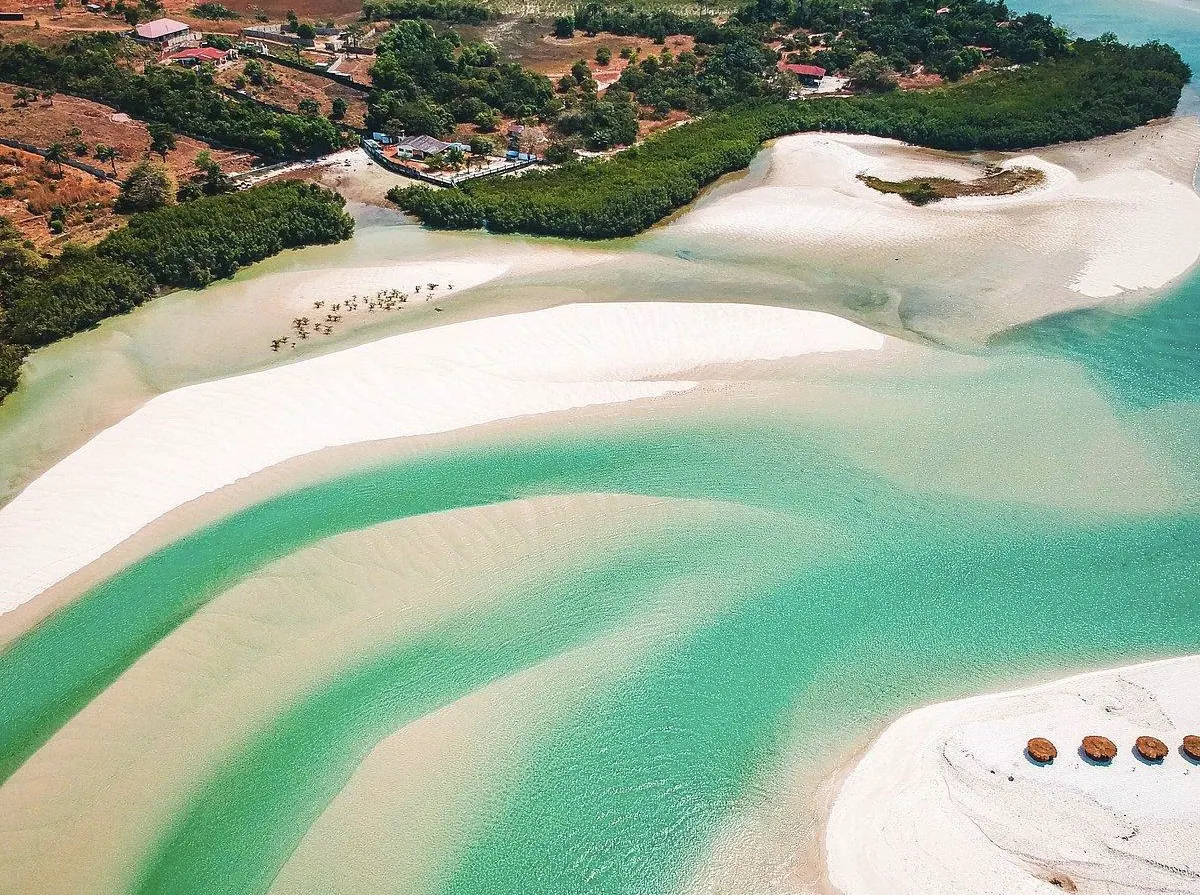
Sierra Leone, known for its welcoming communities, lively culture, green landscapes, and beautiful Atlantic beaches, offers an unforgettable experience to travelers and long-term residents. However, its affordability varies greatly depending on one's lifestyle. Local living can be inexpensive, whereas imported goods, international hotels, private transportation, and reliable utilities can quickly increase expenses. Understanding the main costs is essential for a comfortable stay. The country's currency, the leone (SLE), plays a significant role in daily transactions. As of July 2026, the official exchange rate was approximately SLE 24 to one US dollar.
Cash remains a vital component of transactions in Sierra Leone, especially at local markets, public transport, and when traveling outside Freetown. Visitors are advised to carry smaller notes, as vendors and drivers may not always have change. Everyday local products are generally affordable, but imported items, such as toiletries, electronics, and international brands, can be expensive due to import costs. Buying seasonal produce and locally made goods helps control daily spending. This approach not only supports the local economy but also provides a more authentic experience.
Accommodation costs are often the largest expense for travelers. Budget rooms or simple guesthouses may cost between $20 and $50 per night, depending on condition and location. Mid-range hotels charge between $80 and $150, while high-end properties can cost $190 or more per night. Freetown tends to be more expensive than smaller towns, with areas like Lumley Beach, Aberdeen, and major business districts having higher prices due to their popularity with foreign visitors and professionals.
Food can be very affordable when eating like a local. A filling meal from a local food stall or small restaurant might cost $3 to $10. Rice, cassava leaves, groundnut stew, fish, chicken, or vegetables are common ingredients in Sierra Leonean meals. In contrast, restaurants catering to tourists and expatriates are more expensive, with meals at mid-range establishments costing between $15 and $30. Shopping at local markets is the cheapest option for long-term residents, offering fresh fruit, vegetables, fish, and locally grown staples.
Public transportation in Sierra Leone is inexpensive but may feel crowded or unfamiliar to first-time visitors. Shared minibuses, known as poda-podas, and shared taxis are commonly used. Private taxis offer greater comfort, but travelers should agree on the fare beforehand. Hiring a vehicle with a driver can be useful for visiting beaches or destinations outside Freetown, although fuel and road conditions may make this relatively costly. The water taxi is a popular option for traveling between Lungi International Airport and Freetown, costing around $40 to $45 each way.
Many enjoyable experiences in Sierra Leone cost little or nothing, such as walking along Lumley Beach or exploring local markets. Organized excursions, wildlife visits, boat trips, and guided historical tours require a larger budget. Entrance fees may seem reasonable, but transportation costs can add up. Traveling with a small group can reduce costs considerably. It's also wise to budget for travel insurance, malaria prevention, vaccinations, mobile data, and unexpected medical or transportation expenses.
A careful budget should reflect one's preferred level of comfort. A budget traveler might manage on $40 to $60 per day, while someone opting for private transportation, international restaurants, and comfortable hotels could spend $120 to $200 or more. Long-term residents should consider rent, utilities, backup electricity, healthcare, internet access, and visa or residency-related expenses. With realistic planning and flexibility, visitors can enjoy Sierra Leone without placing unnecessary pressure on their budget.
Key points
- The cost of living and traveling in Sierra Leone largely depends on one's lifestyle, with local living being inexpensive and imported goods and services being more costly.
- Accommodation costs vary greatly, with budget rooms starting from $20 and high-end properties costing $190 or more per night.
- A budget traveler can manage on $40 to $60 per day, while those opting for more comfort could spend $120 to $200 or more.