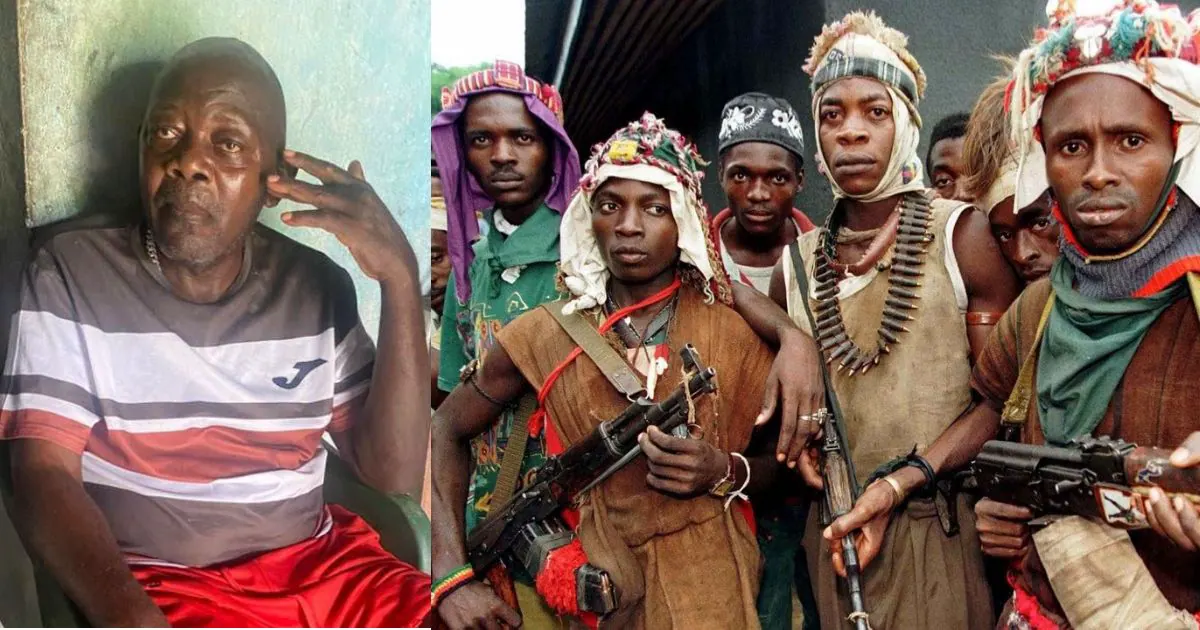
The Civil Defence Forces (CDF), also known as Kamajors, played a significant role in Sierra Leone's civil war, which lasted from 1991 to 2002. They supported the SLPP government of President Dr. Alhaji Ahmad Tejan Kabbah. The CDF was led by Chief Samuel Hinga Norman, who later held key positions in the government, including Deputy Defence Minister and Minister of Internal Affairs. The CDF primarily consisted of individuals from the southeastern region of Sierra Leone.
When the Special Court for Sierra Leone was established in January 2002, several CDF leaders were indicted for their roles in the civil war. In March 2003, Samuel Hinga Norman was indicted for war crimes and crimes against humanity. After four years in detention, Norman passed away in Dakar, Senegal, before a verdict could be reached. Other senior Kamajor officials, including Moinina Fofana and Allieu Kondewa, were also indicted and found guilty. They have since been released after serving their sentences.
Despite their sacrifices, many Kamajor leaders face extreme destitution. Moinina Fofana and Allieu Kondewa, who were key figures in the CDF, have struggled to rebuild their lives. Recently, images of Allieu Kondewa emerged on social media, showing him in a poor state of health, with limited financial resources to cover his medical expenses at the Bo Government Hospital. This has sparked concerns about the treatment of individuals who fought for the nation's survival.
The plight of Kamajor leaders has raised questions about the nation's commitment to supporting those who have made significant sacrifices. A soldier who fought in the war and lost limbs expressed his frustration, asking if Sierra Leone was worth dying for. This sentiment has resonated with many, highlighting the need for the nation to address the welfare of its war heroes.
The issue has gained attention from the public and media, with many calling for the government to provide support to these individuals. The images of Allieu Kondewa have sparked a national conversation about the responsibility of the nation towards its war heroes. As the nation reflects on its past, it is faced with the challenge of ensuring that those who fought for its survival are not left behind.
The CDF's contributions to the nation's stability cannot be overstated. Their efforts, alongside those of other stakeholders, helped bring an end to the civil war in 2002. As the nation moves forward, it is essential that it acknowledges the sacrifices made by individuals like Moinina Fofana and Allieu Kondewa. Their stories serve as a reminder of the importance of supporting those who have fought for the nation's well-being.
The government and citizens of Sierra Leone must come together to address the welfare of Kamajor leaders and other war heroes. By doing so, the nation can demonstrate its appreciation for their sacrifices and ensure that they are not left to face destitution and poverty. This will not only be a gesture of gratitude but also a step towards healing and rebuilding the nation.
Key points
- The plight of Kamajor leaders has sparked concerns about the nation's commitment to supporting those who fought in the civil war.
- Many Kamajor leaders, including Moinina Fofana and Allieu Kondewa, face extreme destitution despite their sacrifices.
- The issue has raised questions about the nation's responsibility towards its war heroes and the need for support and recognition.