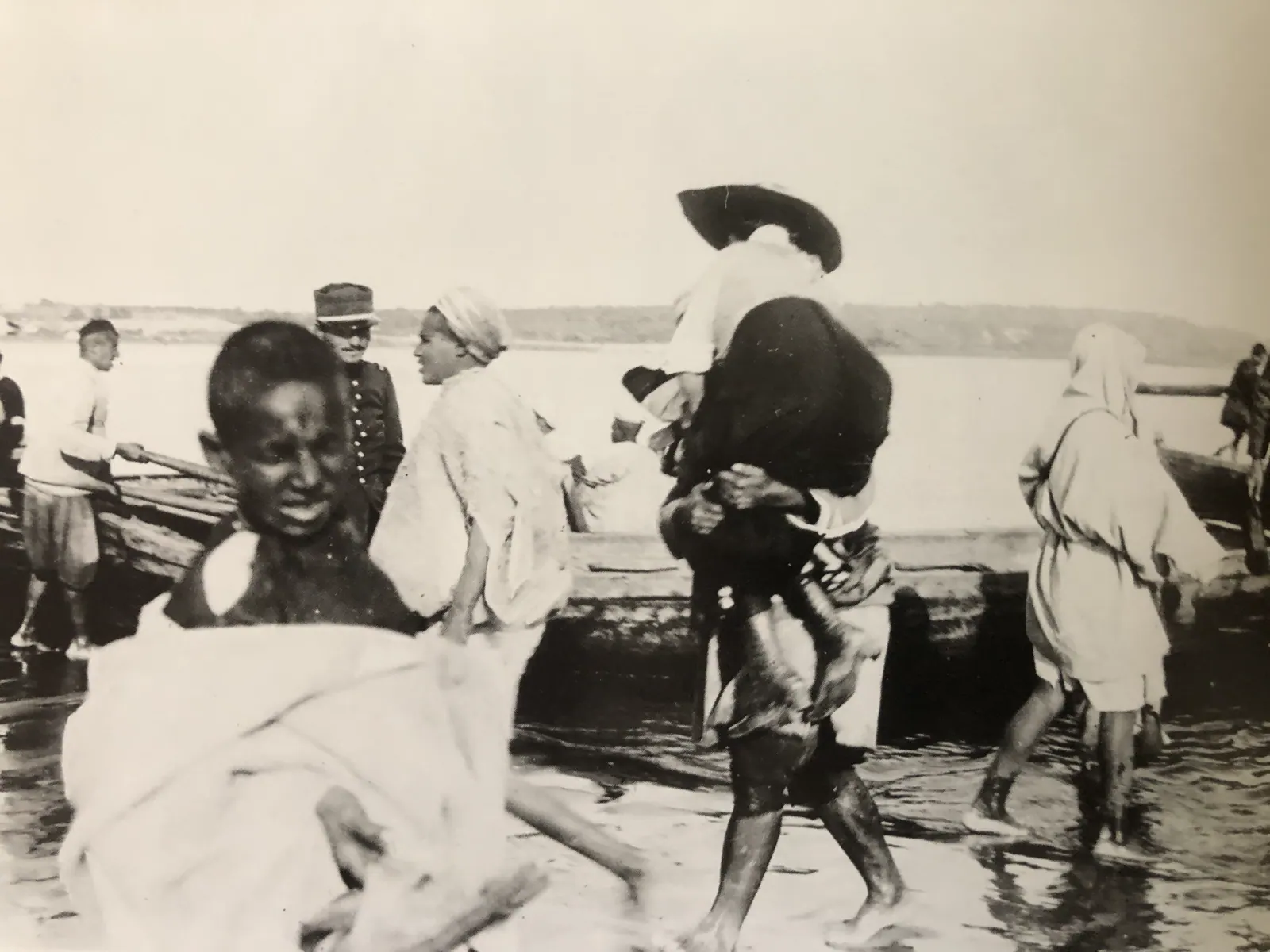
In the 17th century, the city of Sla in Morocco was a thriving pirate republic, feared by European sailors and a hub for maritime activities. The city's strategic location made it an ideal spot for pirates to launch attacks on unsuspecting ships. According to historical records, the pirates of Sla amassed a fortune of around 10,000 sterling pounds, a staggering amount at the time. Their activities were not limited to plundering ships, as they also engaged in the slave trade, with many European captives being sold in the city's markets.
The pirate republic of Sla was formed in 1614, when a group of Muslim refugees from Spain, known as the Moriscos, settled in the city. These refugees, who were forced to flee their homeland due to persecution, brought with them their skills and knowledge of the sea. They established a system of government, known as the "Diwan," which was responsible for managing the city's affairs, including the distribution of spoils and the administration of justice. The Diwan was a council of leaders, elected by the people, which ensured that the city's pirate activities were carried out in an organized and efficient manner.
The pirates of Sla were known for their bravery and cunning, and their exploits became legendary in Europe. They targeted ships from various countries, including England, Spain, and Portugal, and their attacks were often brutal and devastating. Many European sailors and passengers were taken captive and sold into slavery, while others were forced to work on pirate ships. The pirates of Sla also had a reputation for being fiercely independent and resistant to authority, which made them a thorn in the side of European powers.
One of the most famous pirates to emerge from Sla was Yusuf Biskaynu, who was appointed by the Sultan of Morocco to lead a campaign against the Spanish. Biskaynu's exploits became legendary, and he was known for his bravery and strategic thinking. However, the pirates of Sla were not just limited to Biskaynu; there were many others who played a significant role in shaping the city's maritime history. The city's pirate activities continued well into the 18th century, with many European powers attempting to negotiate treaties and agreements with the Sultan of Morocco to curb the pirates' activities.
The American diplomat Edmund Holt, who served in Morocco from 1909, wrote extensively about the history of Sla and its pirate activities. According to Holt, the pirates of Sla were a force to be reckoned with, and their activities had a significant impact on the city's economy and culture. Holt's writings provide valuable insights into the city's pirate past and its legacy, which continues to fascinate historians and scholars to this day. The city's pirate activities also had a significant impact on its architecture, with many buildings and landmarks reflecting the city's rich maritime history.
In the 18th century, the Sultan of Morocco, Moulay Muhammad, attempted to bring the pirates of Sla under control, negotiating treaties with European powers, including the United States. However, the pirates of Sla continued to operate with relative impunity, and their activities remained a major concern for European powers. The city's pirate legacy continued to shape its culture and economy, with many of its inhabitants proud of their ancestors' exploits on the high seas. The city's pirate activities also had a lasting impact on its people, with many families continuing to live and work in the city's port area.
Today, the city of Sla is a thriving metropolis, with a rich history and culture that reflects its pirate past. Visitors to the city can still see many landmarks and buildings that date back to the pirate era, including the old medina and the city's historic port. The city's pirate legacy continues to fascinate tourists and historians alike, providing a unique glimpse into Morocco's maritime history. The city's pirate activities also serve as a reminder of the complex and often tumultuous history of the Mediterranean region.
Key points
- The pirate republic of Sla was a major force in the Mediterranean region during the 17th and 18th centuries.
- The pirates of Sla were known for their bravery and cunning, and their exploits became legendary in Europe.
- The city's pirate legacy continues to shape its culture and economy, with many of its inhabitants proud of their ancestors' exploits on the high seas.