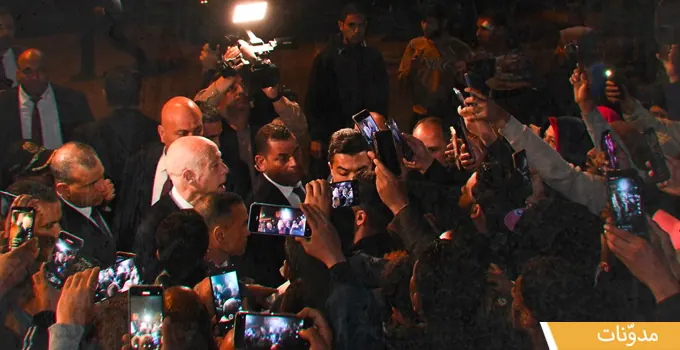
Kais Saied, the President of Tunisia, has been a subject of interest and debate since his rise to power. His personal life and leadership style have been scrutinized, with many trying to understand what drives his decisions and actions. Saied's background as a law professor and his reputation for simplicity and austerity have contributed to his public image. However, his presidency has also been marked by controversy and criticism.
Saied's views on life and his approach to governance have been shaped by his perception of Tunisian society. He has expressed concerns about the country's values and the influence of Western culture. In his speeches and writings, Saied has emphasized the importance of simplicity, self-control, and moral integrity. He has also highlighted the need for Tunisians to reconnect with their cultural heritage and Islamic values.
One of the key aspects of Saied's personality is his ability to control his emotions and desires. In 2013, he appeared in a hidden-camera TV show, "Al-Zilzal," where he demonstrated remarkable composure and calmness in the face of a simulated earthquake. This incident was widely discussed in Tunisia, with many praising Saied's self-control and leadership qualities.
However, Saied's emphasis on self-control and moral integrity has also raised concerns about his views on pleasure and enjoyment. Some critics argue that his approach to governance is overly restrictive and that he seeks to impose his own values on Tunisian society. They also point out that his rhetoric about the dangers of Western culture and the importance of Islamic values can be divisive and alienating.
The reaction of the Tunisian public to Saied's policies and leadership style has been mixed. While some people support his efforts to promote moral integrity and combat corruption, others have expressed concerns about his authoritarian tendencies and restrictions on civil liberties. The arrests of politicians, activists, and journalists in February 2023 have sparked widespread criticism and concern about the erosion of democratic freedoms in Tunisia.
The debate about Saied's presidency and its implications for Tunisia is complex and multifaceted. Some observers argue that his policies are a reflection of the country's deep-seated social and economic problems. Others see his leadership style as a manifestation of his own personal values and biases. Regardless of one's perspective, it is clear that Saied's presidency has significant implications for Tunisia's future and its relations with the wider world.
As Tunisia navigates its challenges and uncertainties, it is essential to consider the complexities of Saied's leadership and the societal norms that have shaped his policies. The country's future depends on finding a balance between promoting moral integrity and protecting individual freedoms. It also requires a nuanced understanding of the cultural and historical context that has shaped Tunisian society and politics.
Key points
- Kais Saied's leadership style and policies have sparked debate about Tunisian values and societal norms.
- Saied's emphasis on self-control and moral integrity has raised concerns about his views on pleasure and enjoyment.
- The reaction of the Tunisian public to Saied's policies has been mixed, with some supporting his efforts to promote moral integrity and others expressing concerns about his authoritarian tendencies.