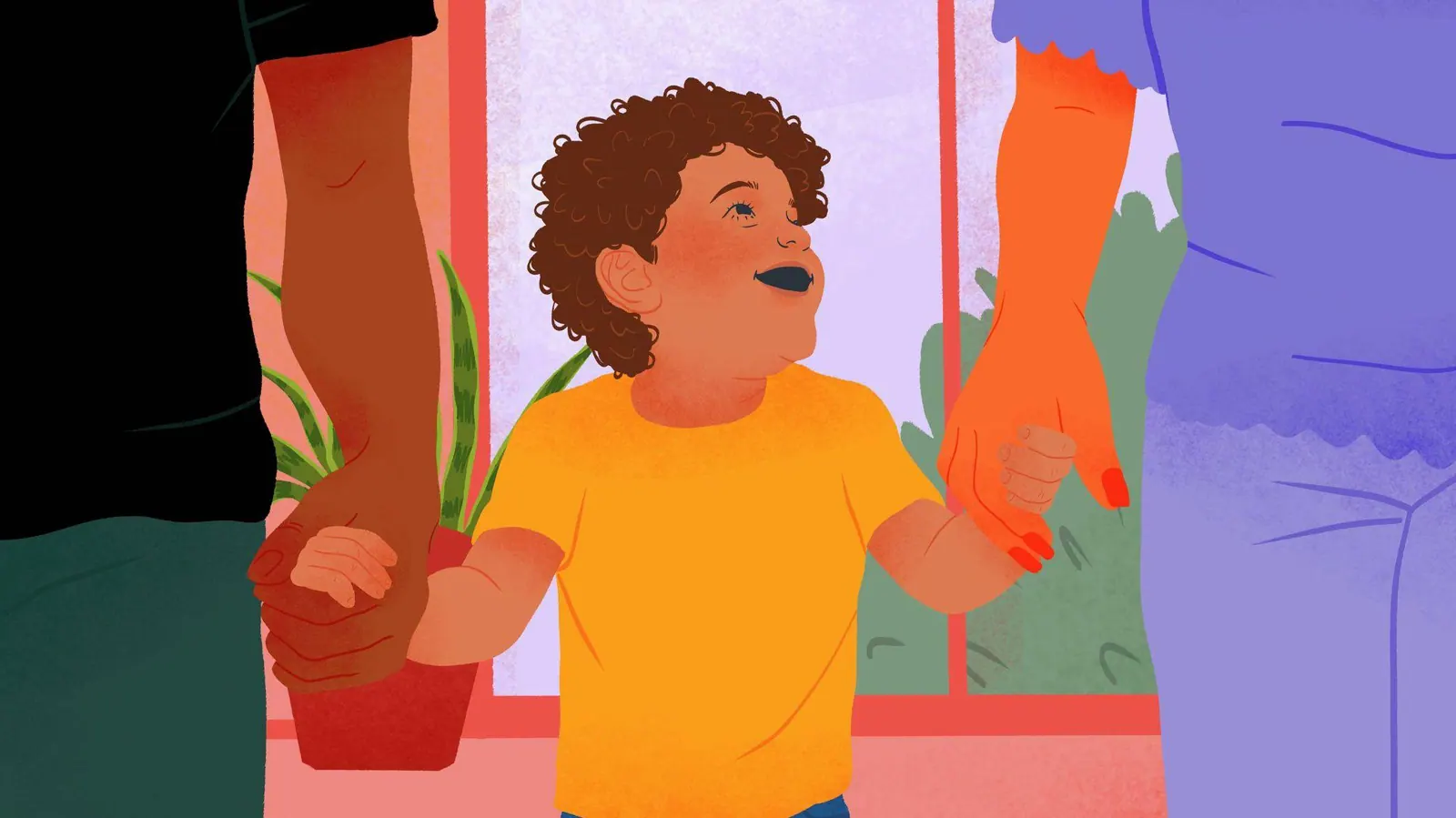
Many parents feel overwhelmed by the vast amount of advice available on parenting, leading to increased anxiety and self-doubt. Rosie Whitfield, a mother of two from Birmingham, now living in Dubai, says she felt like she was "making decisions that would ruin her children's lives" due to the numerous tips and advice she found online. Her experience is not unique, with research suggesting that around two-thirds of parents with young children feel overwhelmed by the information available on parenting.
The rise of various parenting philosophies has contributed to the overwhelming amount of advice available to parents. These philosophies range from authoritative and permissive parenting to attachment parenting and gentle parenting. Matilda Gosling, author of Evidence-Based Parenting, notes that these trends often make the relationship between parents and children more complicated. She argues that parents should focus on being warm, loving, and setting clear boundaries rather than following a specific parenting style.
One of the most well-known models of parenting was developed by psychologist Diana Baumrind, who identified three main parenting styles: authoritative, authoritarian, and permissive. Later, a fourth style, neglectful parenting, was added. According to Gosling, the authoritative parenting style, which combines high levels of warmth and control, is considered the gold standard. Research has shown that children raised with this style tend to have better academic outcomes, higher self-esteem, and stronger social skills.
Gentle parenting, a style that emphasizes empathy, respect, and clear boundaries, has gained popularity in recent years. However, some critics argue that it can be too permissive, allowing children to have too much control. Sarah Okwell-Smith, credited with coining the term "gentle parenting," disagrees, stating that it is not about being permissive but rather about teaching children through positive discipline and setting clear boundaries.
The proliferation of social media has further complicated the issue, with many parents feeling pressure to present a perfect image of their parenting journey. Okwell-Smith notes that she often feels compelled to comment on social media posts that depict parents struggling with their children, saying that these situations are often misinterpreted as examples of poor parenting.
Historically, parenting advice has evolved over time, with different generations having distinct approaches to childcare. Dr. Benjamin Spock's 1940s book "Baby and Child Care" was a groundbreaking work that challenged traditional parenting practices and encouraged parents to trust their instincts. Today, parents are bombarded with advice from various sources, making it increasingly difficult to determine what is best for their children.
Experts agree that parents should focus on developing a parenting style that works for them and their children, rather than trying to follow a specific trend or philosophy. By trusting their instincts and being aware of their children's unique needs, parents can create a nurturing environment that promotes healthy development and well-being.
Key points
- Parents often feel overwhelmed by the numerous and conflicting tips on parenting, leading to increased anxiety and self-doubt.
- The authoritative parenting style, which combines high levels of warmth and control, is considered the most effective approach.
- Gentle parenting, a style that emphasizes empathy, respect, and clear boundaries, can be beneficial but is often misunderstood as being too permissive.