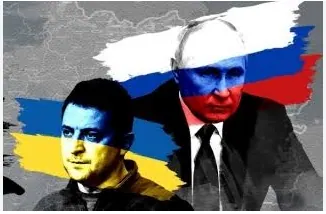
The Russia-Ukraine war, which started on February 24, 2022, has been a major global concern, with far-reaching consequences. The conflict began with airstrikes and missile bombardments on Ukrainian cities, followed by a ground invasion from Russian and Belarusian territories. This military action sparked widespread anger and condemnation globally, particularly in Europe and North America. The international community responded with a United Nations emergency session on March 2, 2022, where 141 out of 193 member nations voted in favor of a resolution condemning Russia's actions.
The conflict has its roots in 2014 when Russia annexed Crimea, and separatists backed by Russia seized parts of the Donbas region, sparking a war between Ukrainian armed forces and Russian-backed separatists. The ongoing war has led to a significant humanitarian crisis, with a massive refugee influx in Europe, the largest since the end of World War II. The situation has also resulted in food and energy crises, contributing to a rise in the cost of living worldwide. The current energy situation is further complicated by the ongoing US-Iran tensions.
A key factor in the conflict is Russia's concern about NATO's expansion into Eastern Europe and the potential for Ukraine to join the alliance. Russia had demanded that NATO revert to its 1997 borders in Europe, remove its military infrastructure from Central Europe and the Baltic states, and guarantee that Ukraine would never be admitted into the organization. However, the US-led NATO largely rejected these demands, restating its open-door policy while noting that Ukraine's membership was not imminent.
The war has continued for over four years, with Western nations, especially in Europe, supplying Ukraine with high-grade weapons. While every sovereign nation has the right to choose its associations, Moscow's security concerns should not be ignored. The recent accession of Finland and Sweden to NATO, including Finland's shared border with Russia, may escalate military tensions with potentially debilitating consequences for Europe and the world.
The continued existence of NATO and its expansion into former Soviet Union territories naturally alarms Russia and raises questions about the alliance's motives. Critics argue that NATO is using the Russia-Ukraine war to test its high-tech weapons. The alliance's insistence that Ukraine must win the war rather than negotiate an immediate ceasefire and settlement has also been questioned.
The international community has called for an end to the conflict, with demands for Russia to stop the war, withdraw its forces from Ukraine, and abandon the sham referenda and absorption of eastern Ukrainian regions into Russian territory. NATO has been urged to end its supply of weapons to Ukraine and initiate the process of dismantling the military association. Ukraine has been called upon to implement the Minsk agreements to resolve the political logjam in the Donbas region.
All parties to the conflict, including Russia, Ukraine, and the US-led NATO, are urged to seek a diplomatic solution to the contentious issues. The global community remains concerned about the devastating impact of the war and the need for a peaceful resolution. The situation demands continued international attention and cooperation to prevent further escalation and promote a lasting peace.
Key points
- The Russia-Ukraine war has resulted in a massive refugee crisis in Europe, the largest since the end of World War II.
- Russia's concerns about NATO's expansion into Eastern Europe and Ukraine's potential membership have contributed to the conflict.
- The international community has called for an end to the conflict, with demands for a ceasefire, withdrawal of Russian forces, and a diplomatic solution.