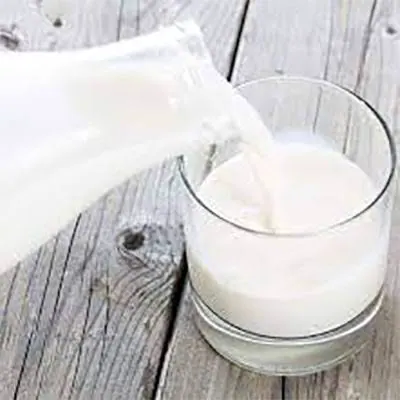
Milk has long been a staple in many cultures, particularly in Nigeria, where it is often associated with childhood nutrition. However, a dietitian's perspective suggests that milk deserves a place in the diet of individuals of all ages. According to a recent article, milk is a naturally nutrient-dense food that provides a unique combination of high-quality protein, calcium, phosphorus, vitamin B12, riboflavin, and other essential nutrients that work together to support growth, bone health, muscle function, energy production, and overall wellbeing.
The nutritional benefits of milk are often misunderstood, with many people believing that it is only for children or that it causes weight gain. However, the science suggests that milk provides several essential nutrients in one convenient food, making it an important part of healthy eating patterns across different stages of life. In Nigeria, milk has been a part of diets for generations, and its nutritional benefits extend beyond childhood. A glass of milk provides a package of nutrients working together to support growth, development, and overall wellbeing.
One of the most common misconceptions about milk is that it is only for children. However, the nutrients in milk continue to support individuals in different ways as they grow older. For children, milk contributes high-quality protein, calcium, and other essential nutrients that support healthy growth and the development of strong bones and teeth. During the teenage years, when growth accelerates and nutritional demands increase, these nutrients remain just as important.
As adults, the focus shifts from growth to maintaining muscle mass, preserving bone health, and meeting daily nutrient needs. The high-quality protein, calcium, and other vitamins and minerals found in milk continue to contribute to those goals as part of a balanced diet. In fact, milk provides a unique combination of nutrients that work together to support the body in different ways, including supporting strong bones and healthy teeth, building and repairing muscles, organs, and other body tissues.
Another common myth about milk is that all milk products are the same. However, different types of milk, such as dairy milk and non-dairy milk, offer different nutritional benefits. Dairy milk, in particular, is a rich source of high-quality protein, calcium, and other essential nutrients. Additionally, many milk products are fortified with vitamins A and D, which support healthy vision and the normal functioning of the immune system, and help the body absorb calcium effectively.
The importance of milk in supporting overall health cannot be overstated. In Nigeria, milk has long been a part of traditional diets, and its nutritional benefits extend beyond childhood. As a dietitian, it is essential to separate evidence from opinion and to provide accurate information about the nutritional value of milk. By doing so, individuals can make informed decisions about their diet and lifestyle.
In conclusion, milk is a nutrient-dense food that provides a unique combination of essential nutrients that work together to support growth, bone health, muscle function, energy production, and overall wellbeing. Its nutritional benefits extend beyond childhood, and it remains an important part of healthy eating patterns across different stages of life. As a dietitian, it is essential to promote the nutritional value of milk and to encourage individuals to include it in their diet.
Key points
- Milk provides a unique combination of high-quality protein, calcium, phosphorus, vitamin B12, riboflavin, and other essential nutrients that work together to support growth, bone health, muscle function, energy production, and overall wellbeing.
- The nutrients in milk continue to support individuals in different ways as they grow older, making it an important part of healthy eating patterns across different stages of life.
- Milk is often misunderstood, with many people believing that it is only for children or that it causes weight gain, highlighting the need for accurate information about its nutritional value.