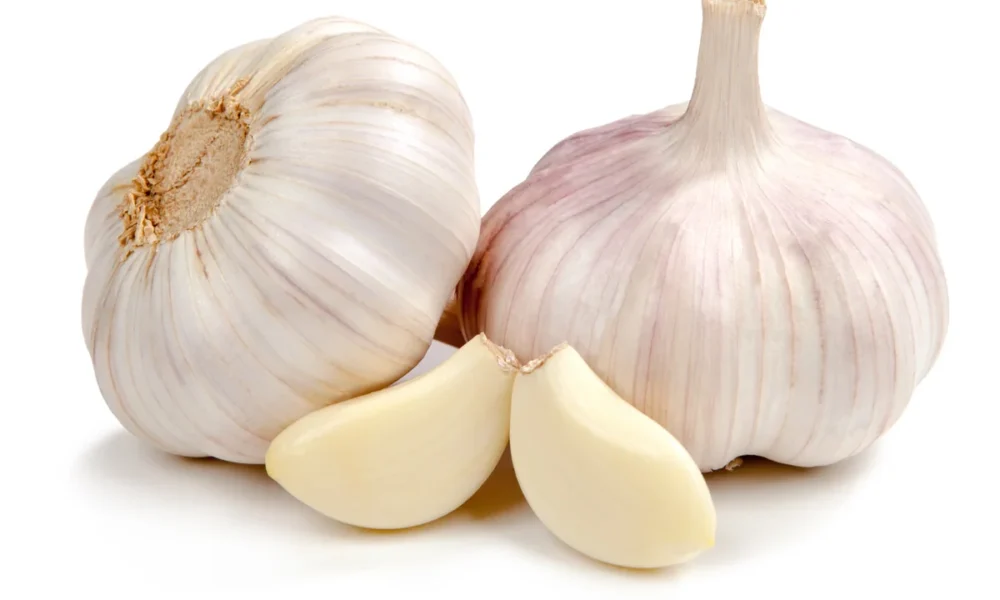
Garlic has been widely recognized for its therapeutic properties, which are attributed to the presence of allicin, a sulphur-containing compound responsible for its pungent smell and distinctive taste. The production of allicin is stimulated when garlic is chopped or crushed, making it a valuable addition to various dishes. However, it is believed that applying heat may inhibit some of its medicinal properties, so it is recommended to add garlic late in the cooking process.
The potential health benefits of garlic are numerous, including reducing the risk of heart attacks by making platelets less likely to clump together and accumulate on artery walls, thereby acting as an anticoagulant. This property also helps to manage cholesterol levels, which is essential for maintaining heart health. Furthermore, garlic's ability to widen blood vessels allows blood to flow more freely, which may also help to lower blood pressure.
In addition to its cardiovascular benefits, garlic has been studied for its potential anti-cancer properties. The sulphurous compounds present in garlic have been shown to inhibit cancerous cells and block tumours, although more research is needed to confirm its effectiveness in relation to various types of cancer, such as colon, prostate, oesophageal, and renal cancer.
Garlic has a long history of use as an infection fighter against viruses, bacteria, and fungi, and may also be effective in treating some skin conditions, such as warts and insect bites. The antimicrobial and antifungal properties of garlic make it a valuable natural remedy for various health issues.
Garlic may also play a role in supporting bone health, particularly in post-menopausal women. Animal studies have shown that garlic can minimize bone loss by increasing oestrogen levels, and a study in humans found that a daily dose of dry garlic extract equivalent to 2g of raw garlic had a similar effect.
The consumption of garlic has also been linked to relief from the inflammatory symptoms of arthritis, and may help to protect against the common cold and flu. Additionally, garlic contains protective compounds that help protect against cognitive decline associated with ageing, which may slow the progression of conditions such as Alzheimer's and dementia.
Overall, garlic is a nutritious and versatile ingredient that offers a range of health benefits, making it a great addition to a healthy diet. With its antimicrobial, antifungal, and anti-cancer properties, garlic is a valuable natural remedy that can be used in various ways to support overall health and well-being.
Key points
- Garlic's therapeutic properties are attributed to the presence of allicin, a sulphur-containing compound.
- Garlic may help to reduce the risk of heart attacks and manage cholesterol levels.
- Garlic has antimicrobial, antifungal, and anti-cancer properties, making it a valuable natural remedy.