As local elections approach in South Africa, the story of Thomas Augustus O'Flaherty, a Durban councillor who refused to be elected Mayor, is worth recalling. In 1887, with his mayoral year drawing to a close, Durban's retiring mayor, William Robarts, prepared to hand over to his successor. However, the election process was complicated, and O'Flaherty, despite being chosen, declined to accept the role.
At the first meeting to elect a new mayor on August 6, 1887, the election was ruled out of order due to certain councillors abstaining from voting. At the next attempt, there was a tie, and the outgoing Mayor, Robarts, cast the deciding vote in favour of O'Flaherty. After persuasion, he agreed to serve for a limited period to keep the Council functioning. A third meeting was then held, and O'Flaherty was unanimously elected mayor.
O'Flaherty's reluctance to accept the mayoralty was due to the demands of his career as the Durban manager of the Natal Bank. The bank was caught up in the gold rush fever following the discovery of gold in Johannesburg in 1886. The gold rush had brightened the banking sector, which had been depressed since 1884. As a councillor, O'Flaherty had significant demands on his time, attending 29 out of 33 Council meetings and 54 Committee meetings in the 1887/8 year.
Despite his initial reluctance, O'Flaherty played a crucial role in stabilizing Durban's finances. He chaired the Finance committee and, along with the Council, managed to stop the annual deficit in the Toll Debentures Account. The Borough Fund generated a surplus of £1000 by the end of the municipal year, despite a reduction in the General Rate. O'Flaherty's expertise in finance may have contributed to his election as mayor.
O'Flaherty's tenure as mayor was brief, as he tendered his resignation on September 1, 1887. R L Cunningham was elected mayor the following day, but Cunningham resigned three months later, and J J Hillier was elected on January 9, 1888. Hillier served out the rest of the municipal year and was re-elected in 1888. This period became known as Durban's "Year of the three mayors."
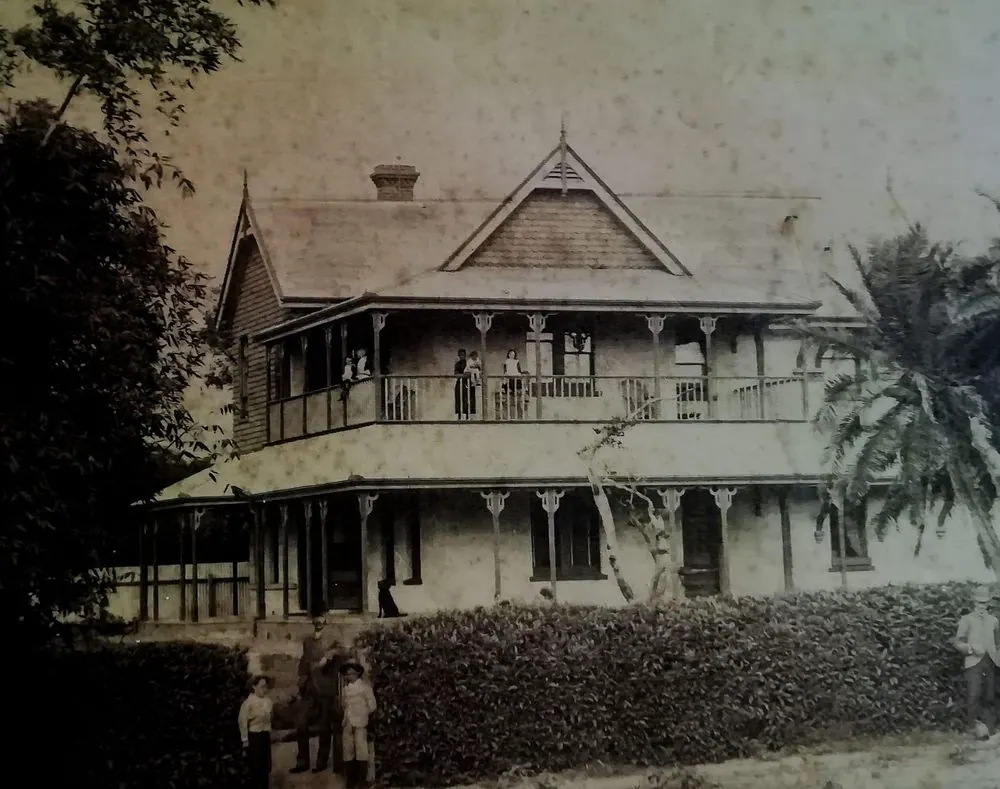
The O'Flaherty family lived in a spacious double-storey house in St Andrew's Street, a fashionable part of town at the time. The house was probably built for him in about 1886 and survived until the 1930s when it was demolished to make way for Manhattan Court. O'Flaherty's three daughters, Lilian, Eileen, and Gwendoline, never married and lived in the area for many years. His sons, Francis, Terence, and Dennis, pursued careers and sports.
The legacy of Thomas O'Flaherty serves as a reminder of the challenges faced by leaders in local government. His story highlights the complexities of municipal politics and the importance of financial management. As South Africa prepares for local elections, O'Flaherty's experience offers valuable insights into the demands of public service and the need for effective leadership.
Key points
- Thomas Augustus O'Flaherty was unanimously elected mayor of Durban in 1887 but served only briefly due to his reluctance to take on the role.
- O'Flaherty's expertise in finance helped stabilize Durban's finances during his tenure as mayor.
- The O'Flaherty family lived in Durban for many years, and their story is a part of the city's history.