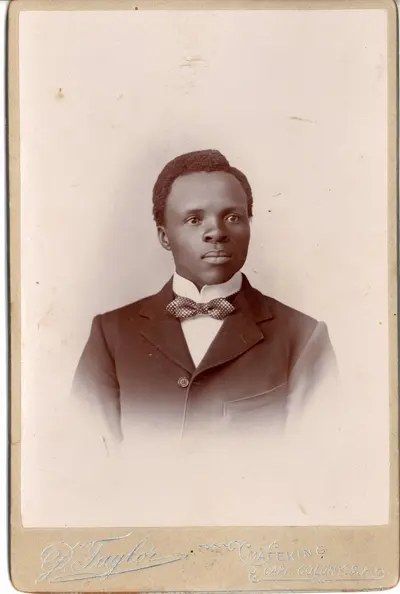
Sol Plaatje, a renowned South African journalist and politician, left an indelible mark on the country's history. His life was marked by a deep commitment to serving his people, but also by crushing debts and fading dreams. Dr. Modiri Molema, a historian and politician, wrote the first book-length biography of Plaatje in 1965, titled "Sol Plaatje: Morata Wabo," which translates to "lover of his own." The biography offers a poignant reconstruction of Plaatje's life, highlighting his extraordinary gifts of intellect and political acumen.
Plaatje's life was deeply intertwined with the Molema family, who took him in shortly before the South African War. He remained close to the family throughout his life, and his commitment to serving the Sechuana-speaking peoples of the northern hinterlands and the larger black population in South Africa and Botswana was unwavering. Plaatje's vision was to create a vernacular newspaper that would serve as a platform for his people to express themselves and assert their rights. He edited the newspaper "Koranta ea Becoana," which ran for seven years, from 1901 to 1907, often working without pay.
The early 20th century was a time of great social change, and thinkers like Plaatje and Emile Durkheim were grappling with the question of what makes us human. For Plaatje, connectedness and collaboration were essential qualities that set humans apart from nature. He believed that work, or "tiro," was a vital aspect of personhood, as it enabled individuals to dominate nature and pursue their own designs on the world. However, Plaatje was dismayed by the lack of commitment to public service among the black educated classes of his time.
Plaatje's personal life was marked by financial struggles and disappointment. He was plagued by debt and wrote about the pain of not being able to provide for his family. In 1911, he expressed his frustration with the lack of support from the educated Sechuana-speaking public for his newspaper, "Tsala ea Becoana." Despite his efforts, the newspaper continued to struggle, and Plaatje felt that his work was not being recognized or valued.
Plaatje's commitment to public service came at a great personal cost. He spent long periods away from home, working tirelessly to promote the rights of his people. However, his family suffered as a result, and he often felt ashamed to return home without a penny in hand. Plaatje's legacy is complex, marked by both triumph and tragedy. He was a true champion of his people, but his life was also marked by disappointment and hardship.
Despite the challenges he faced, Plaatje remained dedicated to his work and his people. He continued to write and advocate for the rights of the Sechuana-speaking peoples, even in the face of adversity. His legacy serves as a testament to the power of commitment and perseverance in the face of overwhelming obstacles.
Today, Plaatje's story serves as a reminder of the importance of public service and community engagement. His life was marked by both triumph and tragedy, but his legacy continues to inspire and motivate people to work towards creating a better world for all. As Plaatje once wrote, "death folds into the helm of one's garments, such that in the midst of life we are in death." His story is a powerful reminder of the importance of living a life of purpose and meaning.
Key points
- Sol Plaatje's biography reveals a life of service, debt, and disappointment, but also a legacy of fighting for the rights of his people.
- Plaatje's commitment to public service came at a great personal cost, including financial struggles and disappointment.
- Plaatje's legacy serves as a testament to the power of commitment and perseverance in the face of overwhelming obstacles.