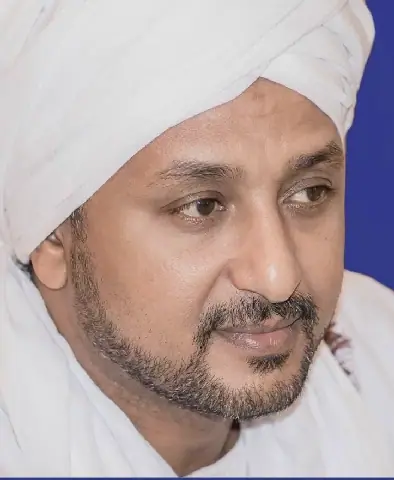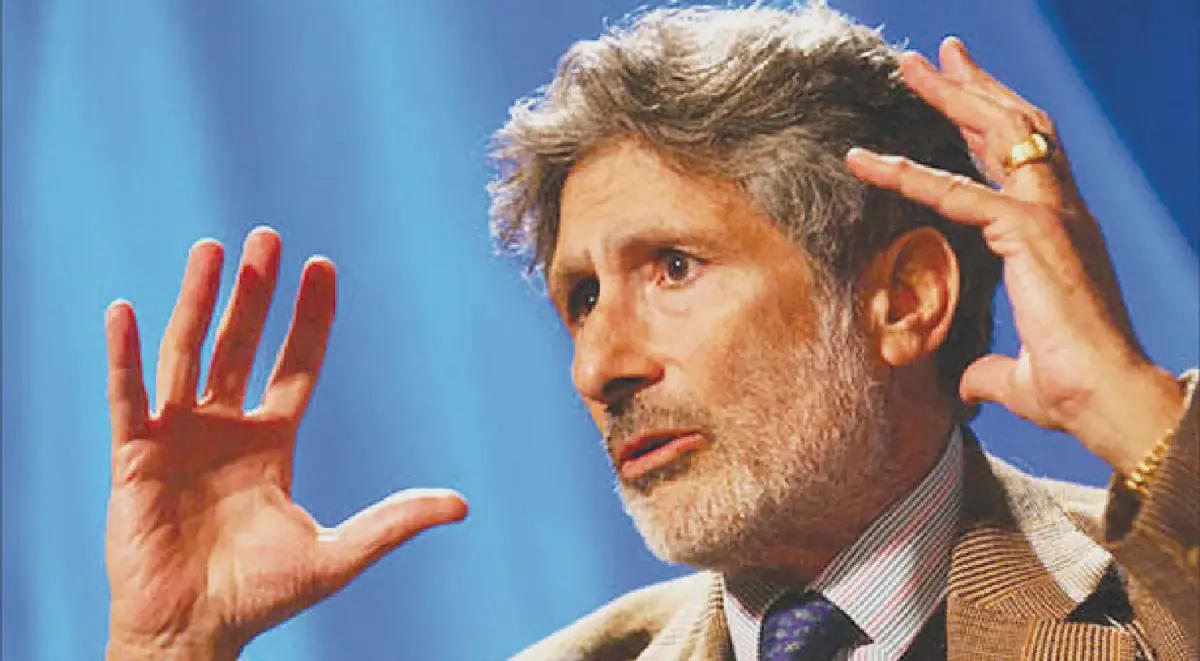
Edward Said was born in Jerusalem in 1935 to a Palestinian Christian family. He spent his childhood moving between Palestine and Egypt before pursuing higher education in the United States. Said earned his Ph.D. from Harvard University and went on to become a professor of comparative literature at Columbia University in New York. His experiences as an outsider, feeling like he didn't quite belong, shaped his perspective on cultural analysis.
In 1978, Said published his groundbreaking book, Orientalism, which revolutionized the world of ideas and laid the foundation for postcolonial studies. The book critically examines how the West has historically perceived and represented the East through literature, art, and politics. Said argues that the West has created a fictionalized image of the East, portraying it as exotic, primitive, and inferior, thereby justifying colonialism and Western dominance.
Said's work challenges the Western narrative that has been used to justify the subjugation of Eastern cultures. He contends that this narrative is not based on factual representations but rather on a constructed image that serves Western interests. By exposing the mechanisms of Orientalism, Said aimed to empower marginalized communities and promote a more nuanced understanding of cultural differences.
Throughout his career, Said was an outspoken advocate for the Palestinian cause, using his platform to raise awareness about the struggles faced by Palestinians. He was a vocal critic of Western policies and worked tirelessly to promote cross-cultural understanding. Said's commitment to social justice and human rights earned him recognition and respect from scholars and activists worldwide.
In addition to his academic work, Said was a talented pianist and music lover. He co-founded the West-Eastern Divan Orchestra with Israeli musician Daniel Barenboim, which brought together young musicians from Arab and Israeli backgrounds to promote cultural exchange and understanding. This initiative exemplified Said's belief in the power of art to bridge cultural divides and foster empathy.
Said passed away on September 25, 2003, after a long battle with leukemia. Despite his physical absence, his ideas continue to influence scholars and shape the fields of postcolonial studies and cultural critique. His work remains widely studied and debated in universities around the world, a testament to the enduring impact of his intellectual legacy.
Today, Said's work continues to resonate with contemporary debates about identity, culture, and power. His critique of Orientalism serves as a reminder of the need for nuanced and contextualized understandings of cultural differences. As the world grapples with issues of globalization, migration, and social justice, Said's ideas remain as relevant and urgent as ever.
Key points
- Edward Said's book Orientalism (1978) challenged Western representations of the East and laid the groundwork for postcolonial studies.
- Said was a vocal advocate for the Palestinian cause and worked to promote cross-cultural understanding through his academic work and musical initiatives.
- Said's legacy continues to influence scholars and shape cultural critique, with his work remaining widely studied and debated in universities worldwide.