In the city of Ismailia, Egypt, the local football club, Ismaily SC, is deeply intertwined with the city's history and national pride. Following the 1967 Six-Day War, the club took on a new role, extending beyond the football pitch to contribute to the country's war effort. As Egypt rebuilt its military and prepared for the inevitable conflict, Ismaily SC's players and staff sought ways to support their nation's endeavors. The club's management and players recognized the significance of their platform and chose to utilize it to bolster national morale.
Prior to the war, Ismaily SC had enjoyed success on the football pitch, winning the Egyptian Premier League in the 1966-1967 season. This achievement marked the first time a team outside of Cairo had claimed the title. However, this triumph was short-lived, as the 1967 war dramatically altered Egypt's priorities and put the country's sports programs on hold. As the nation mobilized for war, Ismaily SC's players and staff redirected their focus toward supporting the national effort.
Ismailia, being a city in the Suez Canal zone, was heavily affected by the war. Many residents were forced to flee their homes, and the city's infrastructure suffered significantly. Amidst this turmoil, Ismaily SC's players and staff chose to embark on a series of friendly matches against Arab teams, with the aim of raising funds and boosting national morale. This effort not only provided financial support but also served as a powerful symbol of Egyptian resilience.
Between 1968 and 1973, Ismaily SC undertook a tour of Arab countries, playing friendly matches against teams from Kuwait, Bahrain, Qatar, Iraq, Lebanon, Sudan, and Libya. These matches allowed the team to promote Egyptian interests and demonstrate solidarity with other Arab nations. The tour was well-received, with large crowds attending the matches and expressing their support for Egypt's cause.
The Ismaily SC team that undertook this tour consisted of several notable players, including Ali Abu Jreesha, Abdel Rahman Anous, and Sayed El-Saqa. These athletes not only showcased their football skills but also carried a message of national pride and determination. Their efforts helped to galvanize support for Egypt's war effort and reinforced the country's commitment to reclaiming its occupied territories.
One notable match during this tour was against the Bahrain national team, in which Abdel Rahman Anous scored a crucial goal, securing a win for Ismaily SC. Such victories not only boosted the team's morale but also served as a powerful statement of Egyptian resolve. The financial proceeds from these matches were channeled toward supporting Egypt's military efforts.
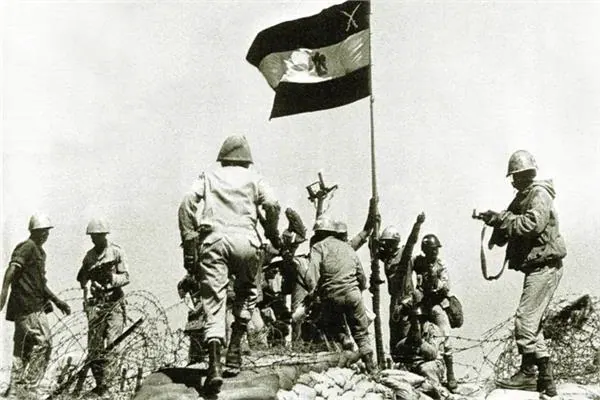
On October 6, 1973, Egypt launched a successful military campaign, known as the October War or Ramadan War, to reclaim the Sinai Peninsula. Ismaily SC's efforts during the preceding years had contributed, in a small but significant way, to the nation's overall war effort. Though the team's role was non-military in nature, it had helped to foster a sense of national unity and purpose.
Key points
- Ismaily SC's tour of Arab countries helped raise funds and boost national morale during Egypt's war effort.
- The team's efforts served as a powerful symbol of Egyptian resilience and determination.
- Ismaily SC's role in the war effort exemplified the significant contributions that Egyptian institutions and citizens made to the nation's military endeavors.