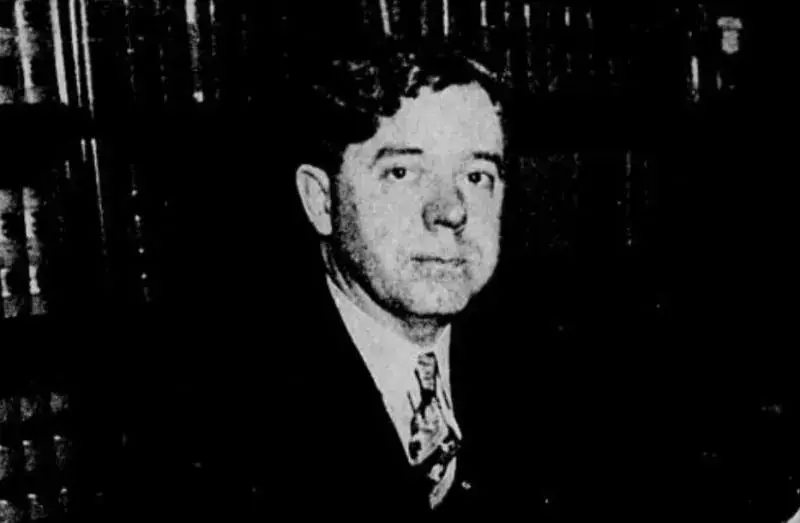
Huey Long, a charismatic and authoritarian figure from Louisiana, was shot dead in September 1935 by an opponent within the state capitol. The French press, which had been following his rise, was left to ponder what might have been. Long had been dubbed the 'American Hitler' by some, despite his left-leaning policies, which aimed to reduce inequality and challenge corporate power. His oratory skills and populist appeal had drawn comparisons to modern leaders, including Donald Trump.
Long's background was marked by hardship and self-education. Born into a large family of farmers, he left school at 13 to work various jobs, eventually becoming a lawyer. He gained a reputation for challenging the trusts and corporations that dominated Louisiana's economy. In 1924, he ran for governor, and four years later, he won with 140,000 votes, largely from rural areas. His message pitted the 'honest farmer' against the 'city scoundrel,' resonating with many Louisianans.
As governor, Long implemented a series of policies aimed at reducing inequality and promoting economic development. He created jobs, built infrastructure, and made education free. However, his methods were often authoritarian, and his opponents accused him of cronyism and corruption. Long's influence extended beyond Louisiana, with his 'Share Our Wealth' clubs springing up across the country, attracting 5 million members.
Long's relationship with President Franklin D. Roosevelt was complex. Initially, he supported Roosevelt's New Deal policies, but later became a vocal critic, using his oratory skills to obstruct legislation. Long's radio broadcasts and public speeches made him a national figure, with some comparing him to Roosevelt himself. However, his critics saw him as a clownish, self-aggrandizing figure.
The French press was fascinated by Long's rise and his blend of populism and left-wing politics. Le Journal described him as an 'irresistible ascension' of a 'bonimenteur' who had captured the imagination of the American people. However, not all observers were impressed, with some viewing him as a ruthless, power-hungry individual. La Liberté, a right-leaning newspaper, was particularly scathing, portraying Long as a crude, uncouth upstart.
Long's legacy was cemented by his assassination, which cut short a career that had been marked by both remarkable achievements and controversy. His influence can be seen in later populist leaders, and his story continues to fascinate historians and observers of American politics. Despite his flaws, Long remained a compelling figure, and his impact on Louisiana and the United States cannot be denied.
In the years leading up to his death, Long had become a dominant figure in Louisiana politics, controlling the state's administrative and political machinery through his loyalists. His services had compiled dossiers on potential opponents, ensuring that anyone who challenged him would face significant obstacles. Long's remarkable rise and fall serve as a reminder of the complex, often fraught nature of American politics.
Key points
- Huey Long's assassination in 1935 cut short a career that had drawn comparisons to modern populist leaders.
- Long's policies, including free education and infrastructure development, had a lasting impact on Louisiana.
- Long's legacy continues to fascinate historians and observers of American politics, with his influence visible in later populist leaders.