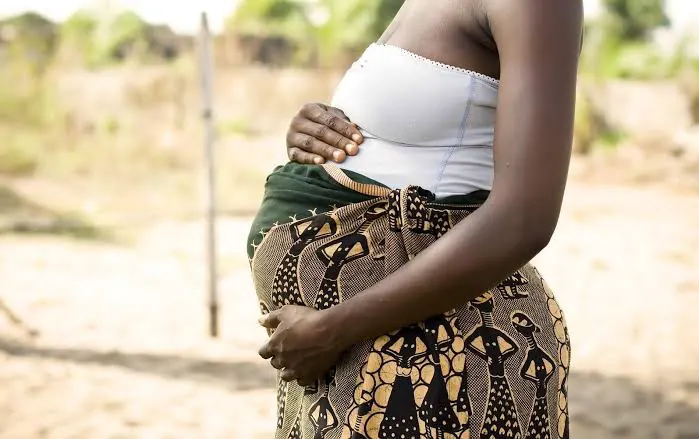
In Benin, unwanted pregnancies are a common occurrence, and their impact on families can be devastating. For Nadège Z, a couturière from Cotonou, an unwanted pregnancy meant her husband's withdrawal of emotional and financial support. Despite being married, Nadège felt guilty and anxious about the pregnancy, which was not planned. Her husband, who is polygamous, had expressed his desire not to have more children, leading to a rift in their relationship.
The consequences of unwanted pregnancies can be severe. According to Lanignan Fawaz Agnidé, an agent of health, women who experience unwanted pregnancies often suffer from anxiety, isolation, and depression. The emotional toll can be overwhelming, leading to a breakdown in the relationship between partners. In some cases, women may even face violence and verbal abuse. The impact on their mental health can be long-lasting, affecting not only the woman but also her family.
The financial burden of unwanted pregnancies should not be underestimated. According to Nourou Adjibadé, the executive director of the Center for Reflection and Action for Integrated Development and Solidarity (CeRADIS), the cost of an unwanted pregnancy goes beyond the financial aspect. The stress and anxiety caused by an unplanned pregnancy can lead to a decline in the woman's well-being and an increase in household expenses.
The low prevalence of modern contraception in Benin is a contributing factor to the high number of unwanted pregnancies. According to the 2025 report on Family Planning 2030 indicators, the modern contraceptive prevalence in Benin is one of the lowest in the sub-region, at 17.2%. Furthermore, 24.2% of women have an unmet need for modern contraception, with 32.1% of married women having an unmet need.
However, some women in Benin are taking control of their reproductive health. Armélie Dossou, a mother of four, credits modern contraception with allowing her to space out her children's births and enjoy good health. Her positive experience is a testament to the benefits of family planning. By adopting modern contraception, women like Armélie can make informed choices about their reproductive health and plan their families accordingly.
Experts emphasize that family planning is essential to preventing unwanted pregnancies. According to Nourou Adjibadé, family planning encompasses not only contraception but also the prevention and treatment of infertility and sexually transmitted infections. By providing individuals and couples with the means to plan their families, family planning can help reduce the emotional and financial strain caused by unwanted pregnancies.
To mitigate the effects of unwanted pregnancies, it is essential to address the root causes, including the low prevalence of modern contraception. The Benin government and health organizations must work together to increase access to family planning education and services, empowering women and couples to make informed choices about their reproductive health. By doing so, they can reduce the number of unwanted pregnancies and promote healthy families.
Key points
- Unwanted pregnancies in Benin are causing emotional and financial strain on families, with women often bearing the brunt of the consequences.
- The low prevalence of modern contraception in Benin is a contributing factor to the high number of unwanted pregnancies.
- Family planning is essential to preventing unwanted pregnancies and promoting healthy families.