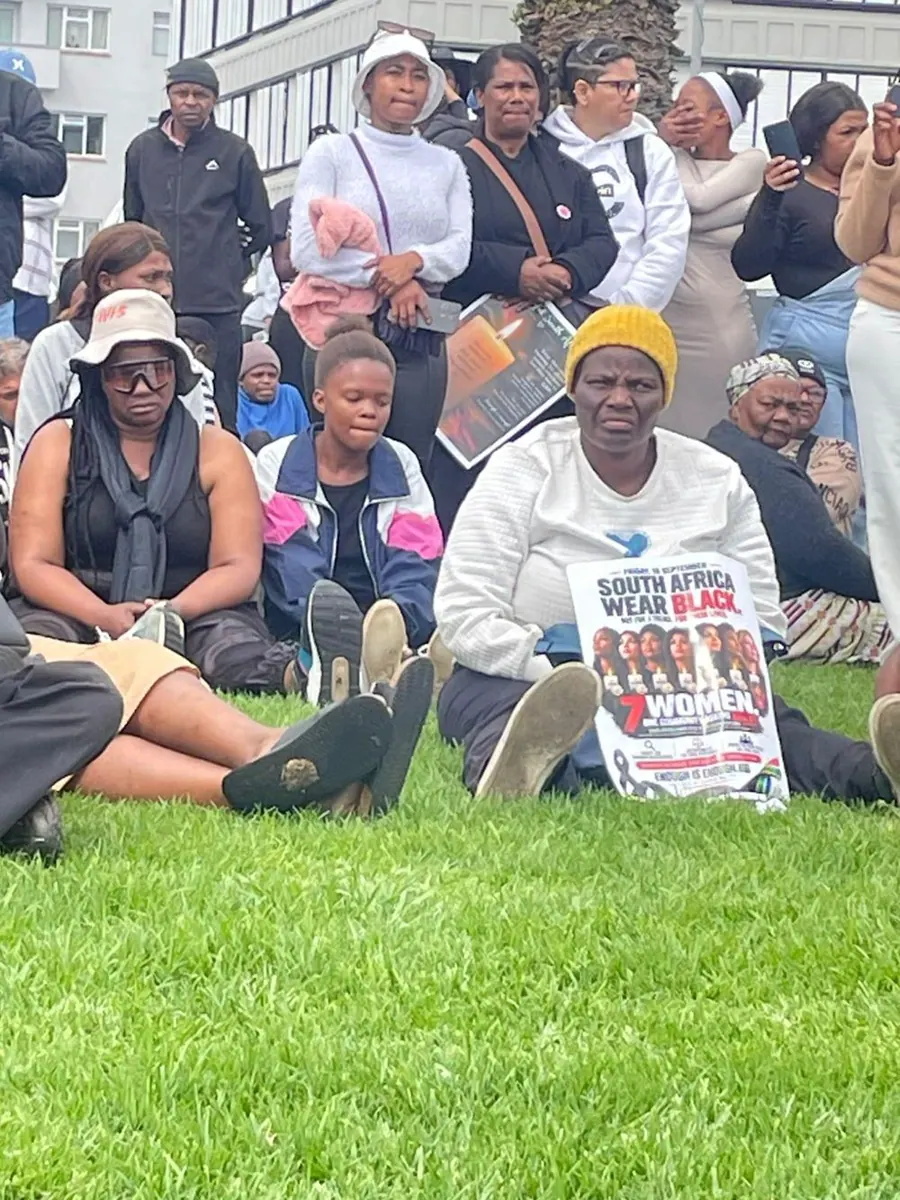
South African women are paying a significant financial and emotional price to protect themselves from gender-based violence. This cost includes panic buttons, personal safety apps, pepper spray, stun devices, self-defence classes, and safer transport. Individually, these expenses may seem manageable, but collectively, they paint a sobering picture of what it costs a woman to feel safe. A conservative basket of safety precautions, including a panic button, personal-safety subscription fees, self-defence classes, pepper spray, and a stun device, could cost thousands of rand in the first year.
The cost of safety precautions can be broken down into specific expenses. For example, an emergency-response subscription costs R49 a month, a panic tracker costs R2,499 upfront plus R99 a month, a self-defence class costs R600, pepper spray costs around R160, and a stun device costs around R380. These costs do not include safer transport, private security, insurance, home-security measures, or the cost of changing daily routines to avoid walking alone. The financial burden is significant, and it does not account for the emotional toll of living with the fear of violence.
The fear of violence is a harsh reality for many South African women. The recent deaths of women in Ekurhuleni have brought this fear into sharp focus, with nine women's bodies discovered in different areas between July and September. The government's Inter-Ministerial Committee on gender-based violence and femicide (GBVF) reported these deaths, prompting renewed questions about women's safety, the responsibilities of the state and society, and whether women should have to spend their lives anticipating violence.
The human cost of violence is a story that Ian Cameron, a DA MP and chairperson of Parliament's Portfolio Committee on Police, knows all too well. He recalled the case of Cleo Diko, a mother of three who disappeared in October 2022. Her family did not know where she was for three months, and her decomposed body was found hidden beneath a bed in Mandalay, Cape Town, in January 2023. The impact of violence does not end when a body is found or an accused person appears in court; it has a lasting effect on the family.
The case of Cleo Diko highlights the trauma that families endure when a woman disappears or is killed. For Ian Cameron, Diko's story demonstrates that the impact of violence does not end with the conviction of the perpetrator. The family had to live with the uncertainty of a missing daughter and mother, confront the discovery of her remains, and navigate a court process before finally seeing the person responsible sentenced. The delay can prolong grief, and every postponement can mean another period of uncertainty.
The Soul City Institute has warned that women must not become responsible for preventing violence committed against them. The organisation stated that a woman's dignity does not disappear when she dies and that she should not be reduced to a crime statistic or a warning. The institute challenged the way safety advice is directed towards women when police investigations are under way, questioning why women should have to reorganise their lives around the threat of violence.
The crisis of gender-based violence requires a comprehensive and coordinated response. The Soul City Institute called for an urgent response involving SAPS, municipalities, prosecutors, communities, transport authorities, civil society, and other relevant institutions. The institute's recommendations include thorough investigations into every death, accountability for perpetrators, safer public spaces, better lighting and transport safety, and sustained work with men and boys on power, entitlement, consent, and healthy masculinity.
Key points
- South African women spend thousands on safety precautions to protect themselves from gender-based violence.
- The fear of violence has a significant financial and emotional impact on women.
- A comprehensive response is required to address the crisis of gender-based violence.