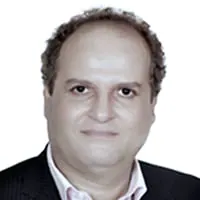
Dr. Ali Abdul Latif Hamida, a renowned Libyan academic and political thinker, has spent his career researching and documenting the history of Libya, with a particular focus on the country's colonial past. Born in Wadan, a city in the Libyan desert, Hamida was raised on stories of resistance against Italian colonial rule. He pursued his higher education in Cairo and later at the University of Washington, where he earned his Ph.D. in political science in 1990.
Hamida's research has taken him on a journey spanning over two and a half decades, during which he has searched for hidden truths in Italian archives and spoken to survivors of the fascist regime. His work has led to a deeper understanding of the genocide that occurred in Libya between 1929 and 1934, in which thousands of Libyans were killed, detained, or forced into labor camps. Hamida's findings have been groundbreaking, challenging the official Italian narrative and shedding light on a dark period in Libyan history.
Hamida's book, "Genocide in Libya: Evil, a Hidden Colonial History," is a testament to his tireless efforts to uncover the truth. The book, which has been translated into Italian and won the 2022 Book of the Year award from the American Scientific Association for Maghrebi and North African Studies, is a culmination of his research and features testimonies from over 220 survivors. It has become a crucial reference point for scholars and researchers studying colonialism and genocide.
Throughout his career, Hamida has faced numerous challenges, including being denied access to Italian archives and facing skepticism from some in the academic community. However, he has persevered, driven by his commitment to uncovering the truth and giving a voice to those who have been silenced. His work has been recognized globally, and he has received several awards for his contributions to academic research.
In addition to his academic work, Hamida has also been recognized for his literary talents. In 2025, he published his first collection of poetry, "Who Sings with Me a Melody of Joy?" which features poems written between 1970 and 1978. This latest publication offers a glimpse into Hamida's creative side and demonstrates his versatility as a writer and thinker.
Hamida's contributions to Libyan history and culture have been immense. He has challenged prevailing narratives and shed light on previously unknown aspects of the country's past. His work continues to inspire new generations of researchers and scholars, and his legacy as a guardian of memory and a champion of truth will endure for years to come.
Dr. Ali Abdul Latif Hamida's work serves as a powerful reminder of the importance of preserving historical memory and promoting academic freedom. His dedication to uncovering the truth, despite the challenges he has faced, is an inspiration to scholars and researchers around the world. As a result of his efforts, the international community has a better understanding of Libya's complex history and the impact of colonialism on the country and its people.
Key points
- Dr. Ali Abdul Latif Hamida's research has shed light on the genocide that occurred in Libya between 1929 and 1934, challenging the official Italian narrative and providing a voice for survivors.
- Hamida's work has been recognized globally, and he has received several awards for his contributions to academic research, including the 2022 Book of the Year award from the American Scientific Association for Maghrebi and North African Studies.
- Hamida's legacy as a guardian of memory and a champion of truth will endure for years to come, inspiring new generations of researchers and scholars to pursue academic excellence and promote historical accuracy.