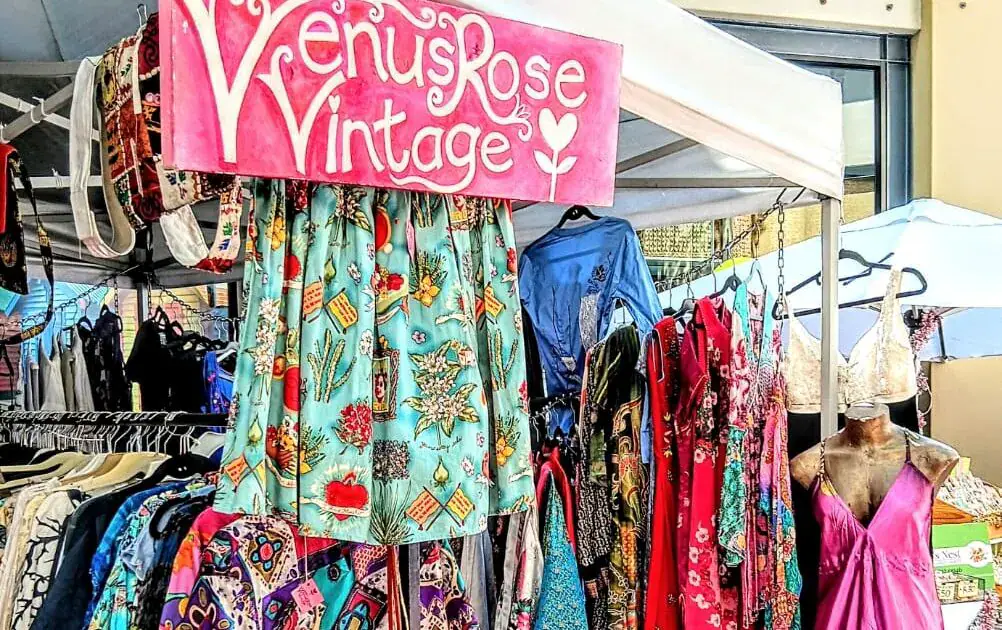
Thrifting has become increasingly popular in South Africa as shoppers look for sustainable, unique, and high-quality clothing options. The trend is driven by a growing awareness of the environmental and social impact of fast fashion. Shoppers are now embracing pre-loved pieces for their individuality and quality, transforming what was once considered unfashionable into something desirable.
Carissa von Mayer, owner of Venus Rose Vintage, sources high-quality clothing from markets around Johannesburg, trekking into the CBD to select items from bales of clothing. She considers factors such as design, fabric, and uniqueness when selecting items to sell. Von Mayer calls her business "clothes rescue" because she gives items a new life. Her focus on natural fabrics like linen, cotton, leather, and silk sets her apart from other thrift sellers.
Johannesburg serves as a hub for the second-hand clothing trade, with resellers traveling to the city to source stock before distributing it across South Africa. However, recent law enforcement against informal vendors has disrupted this network. Von Mayer expressed concern about the possibility of tighter restrictions on imported second-hand clothing, which could impact the industry.
Gabrielle Onay, owner of Crybaby Thrift, sources clothes from second-hand shops in the East Rand towns of Brakpan, Benoni, and Boksburg. She has seen a rise in demand for thrifted clothes since starting her business in 2018. Onay noted that fast fashion, particularly from brands like Shein and Temu, has become an issue in the second-hand space.
Ruby Lee Prager, co-founder of Picnic n Thrift, believes that thrifting can be an antidote to consumerism. She emphasized that thrifting can make a real difference to fast fashion's impact only if it replaces new purchases and slows down overall consumption. Prager also highlighted the environmental benefits of buying second-hand, including reduced carbon emissions and water usage.
The growing popularity of thrifting can be attributed to people's desire for individualistic style and unique clothing. Von Mayer noted that young people today are more open to expressing their individuality through fashion. Onay added that people love the uniqueness of thrifted clothing and the thrill of the hunt for a good deal or a special piece.
As the demand for thrifted clothing continues to rise, concerns about the impact of fast fashion on the environment and society are becoming more pressing. The trend towards thrifting offers a sustainable alternative, with shoppers seeking out unique, high-quality, and environmentally friendly clothing options.
Key points
- Thrifting has become a popular trend in South Africa, driven by a growing awareness of the environmental and social impact of fast fashion.
- Shoppers are seeking sustainable, unique, and high-quality clothing options, transforming what was once considered unfashionable into something desirable.
- The industry faces challenges, including law enforcement against informal vendors and potential restrictions on imported second-hand clothing.
Reporting sources
- The thrill of thrifting · Jewish Report