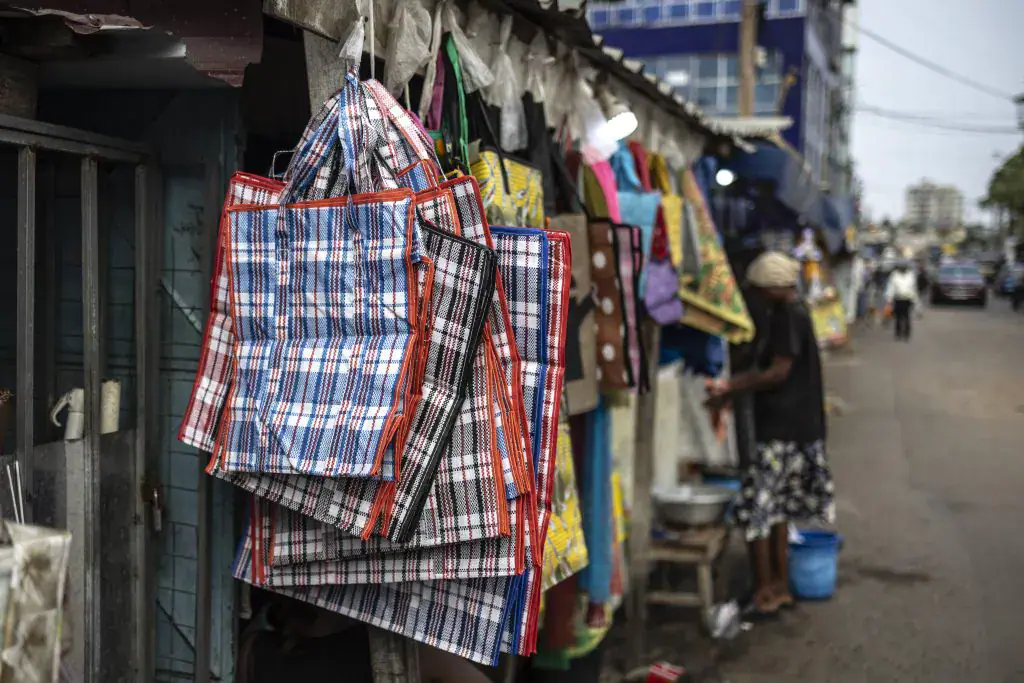
The 'Ghana Must Go' bag, a simple nylon tote with red, white, and blue stripes, has become an unlikely symbol of forced migration and resilience. Originating in Hong Kong in the 1960s, the bag was created by Lee Wah, founder of Wah Ngai Canvas, using imported Taiwanese and Japanese materials. Initially used by Hong Kong residents to transport goods to mainland China, the bag has since traveled to West Africa, where it has taken on a complex meaning.
For many Ghanaians, the bag evokes memories of a painful past. In the early 1980s, Ghanaian migrants were forcibly expelled from Nigeria, and the bag became a symbol of their exile. Bashiru Tahiru, 70, recalls being among the hundreds of thousands of Ghanaians who were forced to leave Nigeria, carrying their belongings in one of these bags. He remembers the humiliation and trauma associated with the bag, which has become a painful reminder of his experiences.
Despite its negative connotations, the 'Ghana Must Go' bag has become a ubiquitous and versatile item in West Africa. In Accra, Ghana, vendors like Agnes Ambomah sell the bags, touting their quality and durability. Over time, the bag has lost its negative associations, becoming a practical and fashionable item. According to Kweku Darko Ankrah, an historian at the University of Ghana, the bag has become a symbol of resilience and hope.
The bag's popularity has also led to its adoption by artists and designers. Abdur Rahman Muhammad, a 38-year-old artist, uses the bag's motif in his portraits, symbolizing resilience, hope, and the pursuit of dreams. In 2007, luxury brand Louis Vuitton reinterpreted the bag, sparking accusations of cultural appropriation. However, this attention also highlighted the bag's transformation from a symbol of poverty to a status symbol.
The 'Ghana Must Go' bag has also become a staple among migrant workers in Hong Kong. Every Sunday, Filipino domestic workers like Jenalyn Polinar and Nilda Bendo gather in the streets to fill the bags with goods for their families back home. For Polinar, the bag represents a way to show love and care for her family, while Bendo appreciates its practicality and durability.
The bag's global journey is a testament to the complex flows of migration, culture, and commerce. From its origins in Hong Kong to its widespread use in West Africa, the 'Ghana Must Go' bag has become a cultural phenomenon. Its evolution from a symbol of exile to a symbol of resilience and hope reflects the complex experiences of migrants and the power of everyday objects to hold deep meaning.
As the 'Ghana Must Go' bag continues to travel the world, its story serves as a reminder of the complexities of migration, identity, and culture. Whether seen as a symbol of trauma or resilience, the bag's impact on the lives of those who use it is undeniable. Its global journey is a powerful reminder of the interconnectedness of our world and the stories that everyday objects can tell.
Key points
- The 'Ghana Must Go' bag originated in Hong Kong in the 1960s and has since become a symbol of forced migration and resilience in West Africa.
Reporting sources
- De Hong Kong à l’Afrique : un sac nommé exil · Ouragan.cd