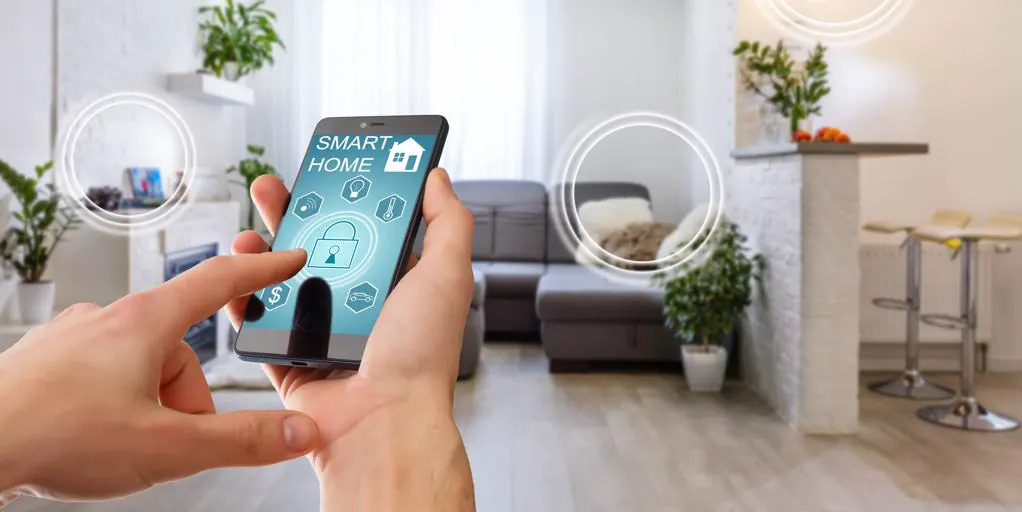
The concept of smart homes, once a futuristic idea, is now a reality. With the rise of the Internet of Things (IoT), devices are increasingly connected, allowing for seamless control and automation. From smart thermostats to intelligent lighting, these innovations aim to make life easier and more efficient. However, as we welcome these advancements, we must also consider the potential risks to our privacy and security.
The Internet of Things is a vast network of interconnected devices that communicate with each other and the internet. This technology has numerous applications, including smart homes, healthcare, and agriculture. In smart homes, IoT devices can control lighting, temperature, and security systems, making life more convenient. However, with more devices connected to the internet, the risk of cyber attacks and data breaches increases.
Smart home devices, such as Amazon's Alexa and Google Nest, are becoming increasingly popular. These devices can control various aspects of a home, from lighting to entertainment systems. However, they also raise concerns about data collection and surveillance. As these devices listen and learn from our habits, the question arises: who has access to this information, and how is it used?
Cybersecurity experts warn that smart home devices can be vulnerable to hacking. In 2019, the US intelligence agency advised consumers to be cautious with smart TVs, as they could be used for surveillance. Similarly, in 2020, the UK's National Cyber Security Centre alerted users to potential security risks with smart cameras and baby monitors. These warnings highlight the need for users to be aware of potential risks and take steps to protect their data.
Several instances of smart home devices being compromised have been reported. In 2015, researchers found a potential vulnerability in Samsung's smart refrigerators that could be used to steal login information. LG's smart vacuum cleaners were also found to have security weaknesses that could be exploited by hackers. These incidents demonstrate the importance of robust security measures and regular software updates.
As smart home technology continues to advance, it is essential to address concerns about data collection and surveillance. Companies like Amazon and Google have implemented measures to protect user data, such as encryption and secure storage. However, users must also take responsibility for their data security, using strong passwords and regularly updating software.
The future of smart homes depends on finding a balance between convenience and privacy. As we continue to adopt these technologies, we must prioritize data security and transparency. By understanding the potential risks and taking steps to mitigate them, we can enjoy the benefits of smart homes while protecting our personal information.
Key points
- Smart home devices can be vulnerable to hacking and data breaches, compromising user privacy.
- Companies must prioritize data security and transparency to build trust with consumers.
- Users must take responsibility for their data security, using strong passwords and regularly updating software.