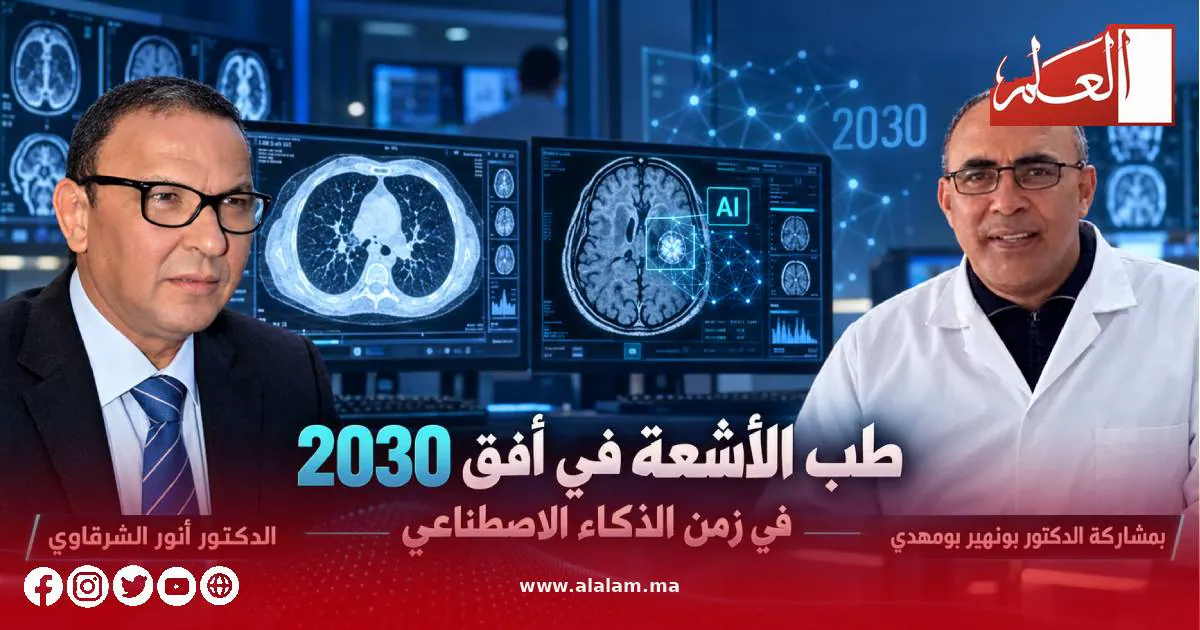
The field of radiology is on the cusp of a significant transformation by 2030, with artificial intelligence (AI) increasingly playing a key role in medical imaging. According to the American College of Radiology, AI has become a practical reality in medical imaging, and the challenge is no longer about discovering its capabilities but rather about selecting the right tools, evaluating them, and monitoring their performance in real-world clinical practice. This shift has sparked concerns among radiologists about the future of their profession.
The debate about the future of radiology and AI cannot be discussed without mentioning Geoffrey Hinton, a pioneer in deep learning. In 2016, Hinton predicted that deep learning would surpass radiologists in reading medical images within a few years, leading some to question the value of pursuing a career in radiology. However, nearly a decade later, the reality is more complex. AI has not replaced radiologists but has changed the nature of their work.
The role of radiologists is evolving from image readers to medical professionals who interpret and analyze images. AI can quickly identify potential issues, measure abnormalities, and compare images, but it is up to radiologists to determine the significance of these findings and make informed decisions about patient care. This shift requires radiologists to develop new skills, including understanding AI algorithms, data analysis, and medical informatics.
While AI is not infallible, it can make mistakes, and its performance can vary depending on the institution, patient population, and data quality. Therefore, monitoring and evaluating AI performance have become essential components of radiology practice. In May 2026, the American College of Radiology adopted the first professional standard for AI in medical imaging, which includes selecting and testing tools before adoption and monitoring their performance.
The integration of AI in radiology may change the value of radiologists but not necessarily reduce their workload. By automating routine tasks, radiologists can focus on more complex cases, collaborate with other healthcare professionals, and participate in multidisciplinary decision-making. The future of radiology is likely to involve using AI to augment, rather than replace, human expertise.
Rather than pitting doctors against machines, the goal is to work together to improve patient care. AI excels in data analysis and pattern recognition, while radiologists provide critical thinking, interpretation, and communication skills. The American College of Radiology has shifted its focus from "should we use AI?" to "how can we use it safely, effectively, and transparently?"
The real risk is not AI replacing radiologists but rather radiologists who fail to understand and adapt to AI. As AI becomes increasingly integral to radiology, it is essential for radiologists to develop a working knowledge of AI principles, data analysis, and medical informatics. By doing so, they can harness the benefits of AI while maintaining their professional value and expertise.
Key points
- The future of radiology will involve using AI to augment, rather than replace, human expertise.
- Radiologists will need to develop new skills, including understanding AI algorithms, data analysis, and medical informatics.
- The effective integration of AI in radiology will depend on the ability of radiologists to work with AI systems and interpret their outputs.