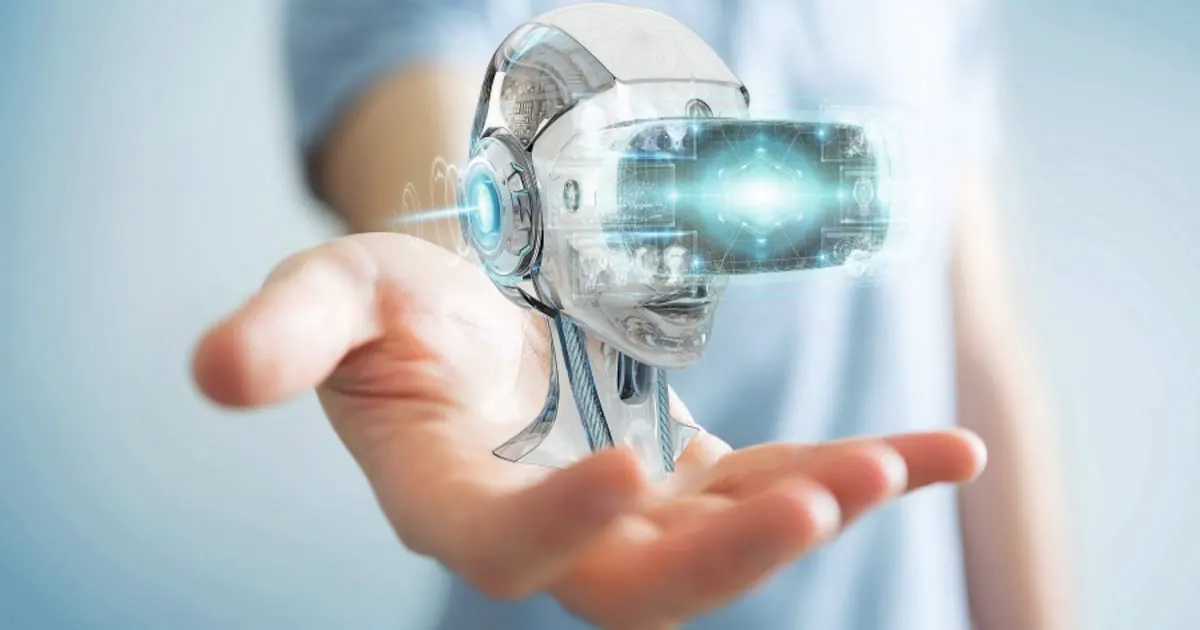
In a not-too-distant future, the concept of intelligence and ability is undergoing a significant transformation. With advancements in biotechnology, humans are now able to enhance their physical and cognitive abilities through genetic modifications and tiny implants. This raises questions about fairness in the job market, where individuals with augmented abilities may have an unfair advantage over those who choose not to undergo enhancements. The issue is complex, and experts are weighing in on the implications.
The development of brain-boosting technology has been ongoing for several years. Initially, scientists focused on creating implants that could increase memory function. By linking brains to electronic devices, researchers were able to improve memory in mice and cognitively impaired volunteers. However, the results were not as significant as hoped, with only incremental improvements in performance. The limiting factor, it turned out, was the brain's limited bandwidth.
Researchers have since made a breakthrough in overcoming this limitation. By developing optoelectronic circuits that can work as artificial synapses at incredibly high speeds, scientists have been able to create microscopic super-neurons that can process information much faster than human neurons. The challenge was finding a way to power these devices inside the human brain. Advances in biotechnology have provided a solution, using blood chemistry and heartbeats as a source of power.
The implications of this technology are significant, particularly in the job market. If only the wealthy can afford to enhance their abilities, it could create a new class of super-smart individuals who have an unfair advantage over others. This raises questions about fairness and equality, and whether it is fair to allow individuals to buy their intelligence. Some argue that it is no different from accessing the best education or healthcare, while others believe that it undermines the concept of natural talent.
The use of augmented humans in the job market is already being explored. In some industries, employers are beginning to look for candidates with enhanced abilities, rather than natural talent. This could lead to a situation where individuals who choose not to undergo enhancements are at a disadvantage. However, others argue that there will always be a place for natural talent, and that augmented ability is not a guarantee of success.
As the technology continues to evolve, safety and ethics are becoming increasingly important considerations. With so many synapses firing at once, there is a risk of serious brain-related problems. Additionally, there are concerns about the long-term effects of enhancements on human health and well-being. These issues will need to be addressed as the technology becomes more widespread.
The debate around augmented humans and the job market is complex and multifaceted. While some see it as an opportunity for individuals to enhance their abilities and improve their prospects, others are concerned about the implications for fairness and equality. As the technology continues to develop, it is clear that it will have significant impacts on society, and it is essential that we have a nuanced and informed discussion about its potential consequences.
Key points
- The development of brain-boosting technology is raising questions about fairness in the job market.
- The use of augmented humans in the job market could create a new class of super-smart individuals who have an unfair advantage over others.
- Safety and ethics are becoming increasingly important considerations as the technology continues to evolve.