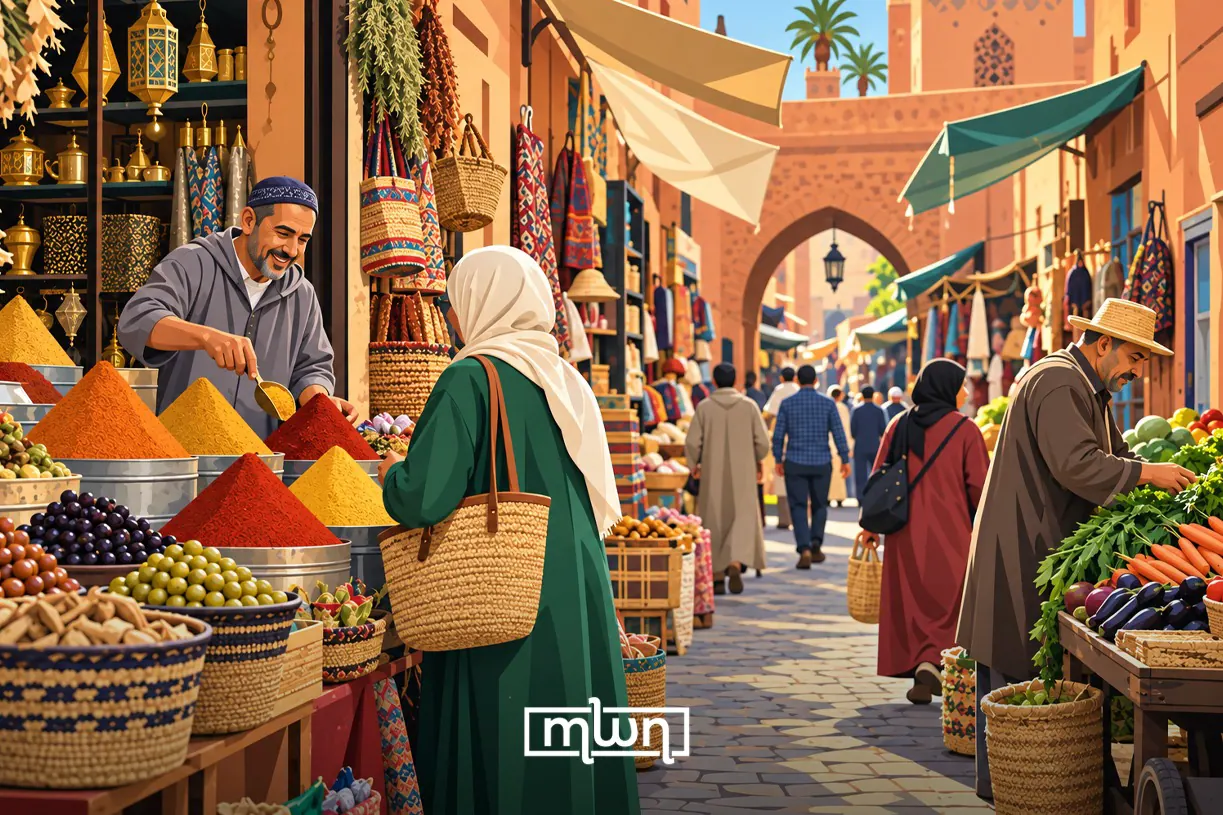
The souq, a traditional Moroccan market, offers a unique shopping experience that is characterized by human connection and personalized interactions. A recent experience of searching for a specific cut of meat, "lmelj", for a family dish, "tanjia", highlighted the value of these interactions. The search involved visiting multiple butchers, engaging in conversations, and eventually learning that restaurant owners often purchase the meat in bulk earlier in the day.
The experience of shopping in the souq is vastly different from that of big chain grocery stores. In the souq, shoppers can build relationships with vendors, learn about the products, and receive tips and tricks from seasoned sellers. For instance, the writer's mother knows which vendors sell specific products, such as spinach or strawberries, and which ones offer fresh produce. These interactions foster trust, familiarity, and a sense of community.
The souq's social function extends beyond commerce, serving as a space where people meet, exchange information, and participate in public life. In cities like Marrakech, markets and artisan quarters have long been at the heart of the medina, providing a platform for social interaction and community building. The souq's human-centered approach is a refreshing change from the convenience-driven, often soulless, experience of modern grocery shopping.
Research has shown that similar markets in the US, such as farmers' markets, can have a profound impact on community building. A study by Project for Public Spaces found that over 60% of farmers' market attendees reported visiting to feel part of the community, and nearly half reported connecting with others or receiving information from local organizations. These markets are recreating the kind of social interaction that is already inherent in the souq experience.
While convenience is a significant advantage of modern shopping, it can come at the cost of humanity. The souq's approach, which prioritizes human connection and personalized interactions, offers a unique and valuable experience. The writer reflects on the benefits of this approach, including the comfort of knowing who is behind the food and the occasional frustration of being overcharged.
The comparison between souqs and farmers' markets in the US highlights the importance of community building in traditional markets. While the intention behind visiting a souq may not be to seek community, the repeated interactions with vendors and other shoppers inevitably build familiarity, trust, and connection. These inherited practices endure because they serve purposes beyond their most obvious function.
Ultimately, the souq experience offers a refreshing alternative to modern shopping. By prioritizing human connection and community building, souqs provide a unique and valuable experience that is worth preserving. As people seek to recreate this experience in other contexts, such as farmers' markets in the US, the importance of human-centered approaches to commerce becomes increasingly clear.
Key points
- The souq experience prioritizes human connection and community building over convenience.
- Research has shown that traditional markets, such as farmers' markets, can have a profound impact on community building.
- The souq's social function extends beyond commerce, serving as a space where people meet, exchange information, and participate in public life.