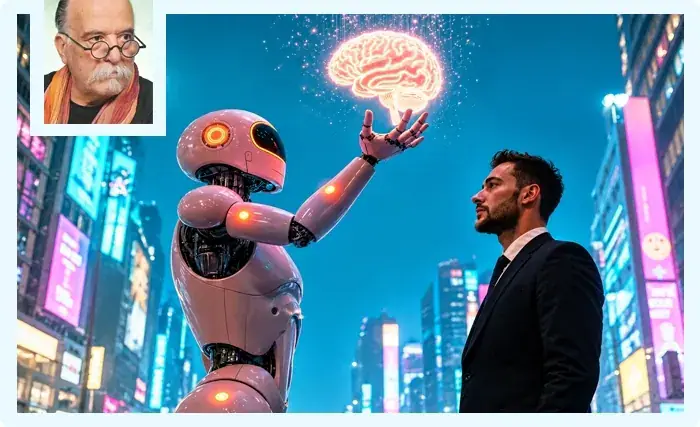
The intersection of technology and humanity has sparked a significant transformation in contemporary philosophy. As humans increasingly interact with systems capable of learning, producing language, and making decisions, the fundamental definition of human existence is being reexamined. The emergence of artificial intelligence, biotechnology, and digital technologies has raised essential questions about the nature of humanity, encouraging a profound reflection on what it means to be human.
The concept of human enhancement through technology has been a topic of debate, with some arguing that it could lead to a new era of human evolution. This idea is rooted in the notion that humans can improve their physical and intellectual abilities through technological advancements, potentially overcoming limitations such as aging and cognitive impairments. However, this vision raises a critical question: does improving human capabilities necessarily equate to fulfilling human potential?
One of the central debates in contemporary philosophy concerns the possibility of artificial intelligence possessing consciousness. While AI models have made significant progress in simulating human-like intelligence, the question remains as to whether these machines truly comprehend their actions. The argument of the "Chinese room" by John Searle highlights the distinction between manipulating symbols and genuine understanding, suggesting that a system can mimic intelligence without possessing subjective experience.
The impact of technology on human society and values is a pressing concern. Technology is not neutral, as it transforms behaviors, institutions, and social values. The increasing reliance on algorithms for decision-making raises questions about the role of human judgment and the potential erosion of responsibility, justice, and dignity. Philosophers emphasize that the true challenge is not whether machines will become human-like but whether humans risk becoming machine-like in their pursuit of efficiency and calculation.
In response to these technological advancements, some philosophers advocate for a new humanism that prioritizes ethics and politics. This new humanism would not reject scientific progress but rather contextualize technology within a moral framework. It emphasizes the importance of human values such as liberty, solidarity, creativity, and the pursuit of meaning, which cannot be reduced to algorithms.
The future of humanity is not solely a technological issue but a profoundly philosophical one. As humans navigate the implications of artificial intelligence and other technologies, they must consider the kind of world they want to create. The challenge of the 21st century is to ensure that technological progress serves humanity's highest aspirations, rather than diminishing its essence.
Ultimately, the evolution of humanity in the age of artificial intelligence presents a choice: will technology be an instrument of liberation or alienation? The answer depends on the importance accorded to ethics, consciousness, and philosophical reflection. As humans continue to redefine their existence, they must confront the fundamental question: what constitutes a truly human life in a world where machines are increasingly intelligent?
Key points
- The rise of artificial intelligence challenges traditional notions of human consciousness and identity.
- Philosophers advocate for a new humanism that prioritizes ethics and politics in the face of technological advancements.
- The future of humanity depends on ensuring that technological progress serves humanity's highest aspirations.