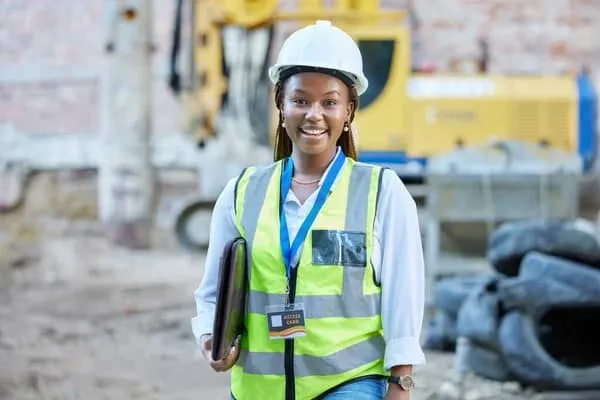
In Benin, the traditional role of women has long been confined to the home and family. However, with the advent of economic necessity and social change, women are increasingly taking on new roles and responsibilities. Many women are now working and, in some cases, becoming the sole breadwinners for their families. This shift has led to a reevaluation of the traditional roles assigned to women.
The emergence of social media has highlighted the remarkable achievements of Beninese women in various fields. Women are breaking down barriers and pushing beyond their limits, taking on roles traditionally reserved for men, such as import-export, construction, transportation, logistics, and technology. This transformation is a significant departure from the past, when women's roles were strictly defined.
According to Nadia FAGNISSE DÉLÉ, a youth coach, family therapist, and positive parenting trainer, the modern Beninese woman is no longer defined solely by her role as a wife and mother. She can be a mother, wife, professional, entrepreneur, community leader, decision-maker, and actor in her own development. This evolution reflects a change in feminine aspirations and social structures.
The increasing participation of women in politics and civil society has given them a louder voice. Women are now actively fighting against gender inequalities and advocating for a more just and equitable society for future generations. However, this change is not without its challenges, as some men struggle to accept women's autonomy and new roles.
One of the significant challenges facing modern Beninese women is finding a balance between their professional and family responsibilities. Women are expected to be devoted wives, attentive mothers, and skilled professionals, which can be a heavy mental burden. The question is not whether women should become more like men, but rather how men and women can redefine their roles to promote family well-being.
The key to this evolution lies in changing mentalities and moving away from imposed roles towards shared responsibilities. A harmonious family is not one where individuals are confined to predetermined roles, but rather one where responsibilities can be discussed, negotiated, and adapted to the realities of life. This shift requires a culture of respect, solidarity, and mutual well-being.
Ultimately, the transformation of the Beninese woman's status is a positive step towards a more equitable society. As women continue to break down barriers and push beyond their limits, they are redefining their roles and contributing to the development of their communities. This evolution has the potential to benefit not only women but also their families and society as a whole.
Key points
- The role of women in Benin is undergoing a significant transformation, from traditional domestic roles to professional and social empowerment.
- Women in Benin are increasingly taking on new roles and responsibilities, including working and becoming sole breadwinners for their families.
- The evolution of the Beninese woman's status requires a change in mentalities, moving away from imposed roles towards shared responsibilities and a culture of respect, solidarity, and mutual well-being.