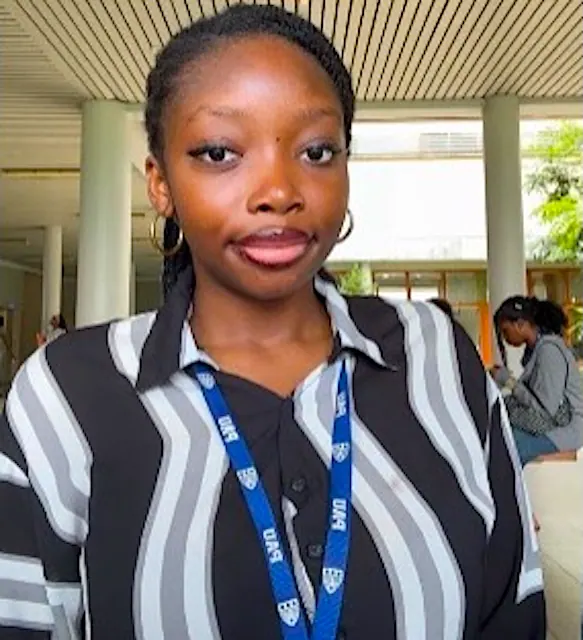
Collins Okoh, a renowned Nigerian screenwriter, embodies the evolution of the Nollywood industry. His dedication to elevating the quality of storytelling and inspiring others to believe in Nigerian stories reflects the architecture of the "new Nollywood." With a focus on crafting stories that resonate with the everyday Nigerian, Okoh has become a key player in shaping the industry's future. His passion for storytelling has led to the creation of some of Nollywood's biggest commercial successes.
Okoh's notable works include "My Siblings and I" (2019), "Everybody Loves Jenifa," and "A Tribe Called Judah." The latter two films broke industry records, with "A Tribe Called Judah" becoming the first Nigerian film to exceed ₦1 billion at the box office. His work on "A Tribe Called Judah" earned him a nomination for "Best Movie Writer" at the 2024 AMVCA's, and YNaija magazine named him amongst its "Top 100 Most Impactful People in Film" in 2025.
Okoh's stories often focus on the trials of the everyday Nigerian, highlighting the importance of reflecting Nigerian realities. In an interview with The Mosaic Magazine, he emphasized that Nigerians face challenges daily, yet continue to dream, laugh, and survive. He believes that audiences connect with stories that reflect their experiences, making his work relatable and authentic.
Okoh's collaboration with Funke Akindele, the award-winning actress and director behind "Jenifa," has resulted in some of Nollywood's most successful films. He attributes their synergy to her deep understanding of her audience and ability to balance entertainment with emotion. Their partnership has produced stories that are both challenging and rewarding, guaranteeing viewers a good time.
Despite criticism that Nollywood's storytelling quality is lacking, Okoh acknowledges that every industry produces work of varying quality. He cites the globally acclaimed projects in every industry as representing the best of what the industry can offer, while many excellent Nigerian stories do not receive visibility. This highlights a major gap in the industry, emphasizing the need for intentional storytelling and visibility for Nollywood's stories.
The changing face of Nollywood is reflected in its audience, with young people being "the most story-literate generation that has ever existed." Okoh argues that they have a keen instinct for authenticity and little patience for being talked down to. Their influence can be seen in the stories being told and how they are consumed, with the rise of streaming platforms creating space for more complex narratives and longer character arcs.
According to Okoh, part of Nollywood's recent success stems from a reduction in dependency on foreign stories. He believes that when stories are told with conviction and craft, audiences everywhere feel it. The industry's growth, attracting larger audiences, securing international recognition, and producing films that can compete globally, is a testament to its evolution. The trend of proper attribution, credit, and compensation, especially for writers, is also a sign of a maturing industry that understands the value of creative labor.
Key points
- Collins Okoh's dedication to storytelling reflects the architecture of the "new Nollywood," which is ambitious, conscious, and proudly Nigerian.
- Okoh's stories often focus on the trials of the everyday Nigerian, highlighting the importance of reflecting Nigerian realities.
- The changing face of Nollywood is reflected in its audience, with young people being "the most story-literate generation that has ever existed."