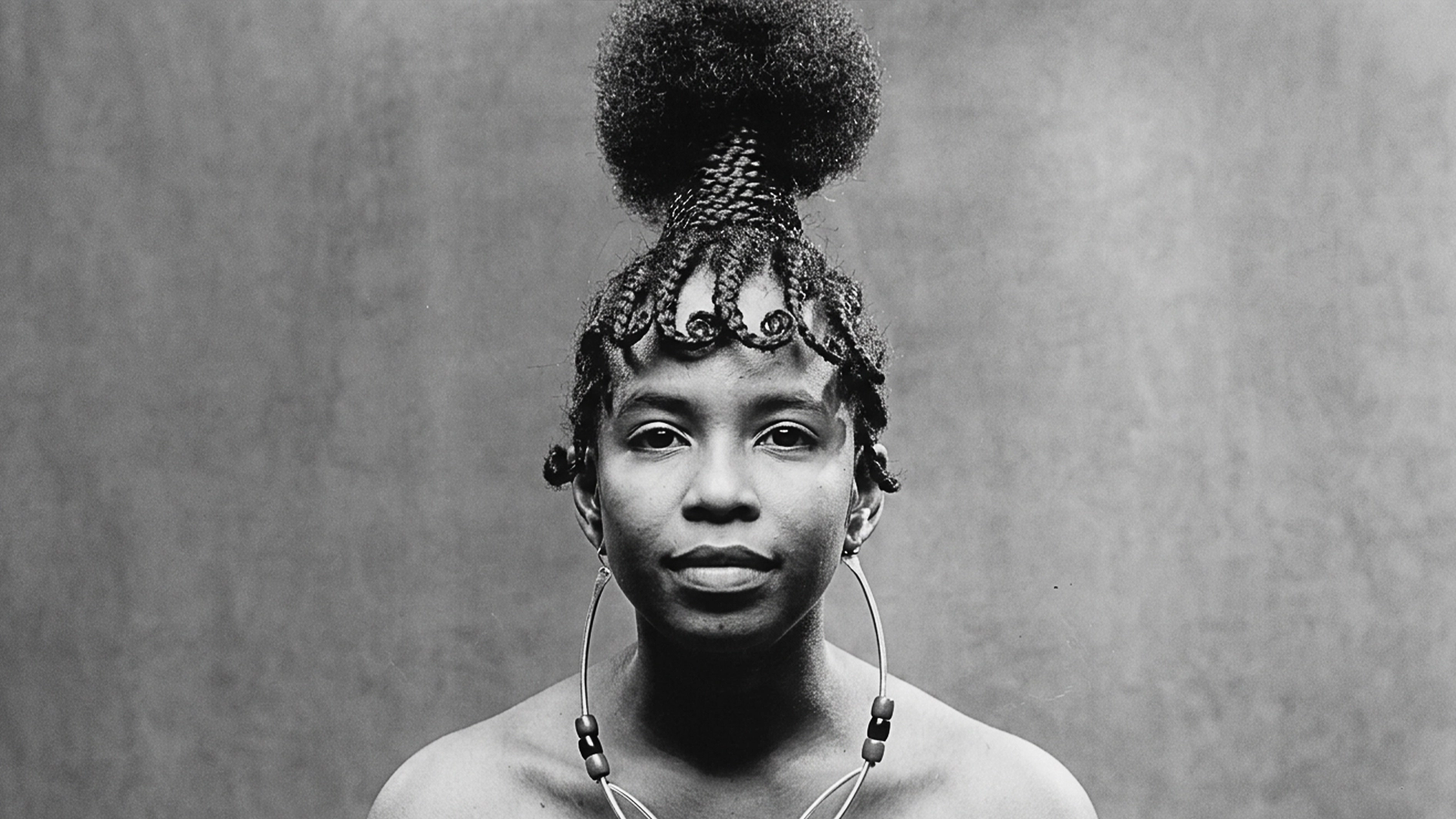
The world of fashion often repackages existing trends, and Nigerian hair culture is a prime example. Traditional hairstyles, once known by local names with deep cultural roots, are now appearing on social media platforms with sleeker, international names. This shift reflects the influence of globalization, the beauty economy, and social media algorithms, which favor names that travel easily across markets. As a result, the original Nigerian identity of these hairstyles often fades from view.
One such hairstyle is "One Million Braids," also known as micro braids. This style, popular in the 1990s and 2000s, features extremely fine, tightly braided extensions. The technique has remained unchanged, but the vocabulary has. Nigerian stylists have perfected this method for decades, often with a level of patience and precision that trend videos rarely capture. A full head can still take six to ten hours to complete. The new name has made it easier for stylists to market to wider audiences and position the technique as something newer and more premium.
Another example is "All Back," now commonly referred to as cornrows. This style, characterized by hair braided straight back from the hairline with no parting pattern, has been a staple in Nigerian culture for years. The term "cornrows" is actually the older, more historically loaded word, tracing back centuries to West and Central Africa, where braid patterns communicated ethnic identity, age, marital status, and social rank. The rise of "cornrows" as an umbrella term has quietly restored a richer history rather than erasing one.
The sleek ponytail, once known as "Packing Gel," is another hairstyle that has undergone a name change. The technique behind this style is identical to the original, but the polish and precision have increased. The use of silk scarves for laying edges, precision styling gels, and sometimes a clip-in ponytail extension for extra length has turned a simple style into a full glam look. This transformation highlights the impact of globalization on beauty trends and the increasing importance of aesthetics.
Some hairstyles have been renamed to reflect their cultural heritage, such as "Shade Adu," now known as Fulani braids. This style, characterized by thin cornrows, a central braid running front to back, and beaded embellishments, has directly inspired the look for generations. The new name correctly credits an actual ethnic group rather than inventing a marketing term. This accurate renaming has helped to preserve the cultural significance of the hairstyle.
Other hairstyles, such as "Shuku" and "Pick and Drop," have also undergone name changes. "Shuku," a Yoruba-origin style, is now referred to as a braided ponytail, stripping away the original linguistic and cultural weight. "Pick and Drop," individual braids with a section of curly or straightened hair hanging loose at the end, live on today as boho braids and French curl braids. These new names have made it easier for people to search for and identify these styles globally.
The renaming of Nigerian hairstyles has sparked debate on cultural identity and the impact of globalization on beauty trends. While some argue that the new names have helped to popularize these styles globally, others claim that they have erased the original cultural significance. As the beauty industry continues to evolve, it is essential to acknowledge and respect the cultural heritage behind these hairstyles. By doing so, we can appreciate the rich history and diversity of Nigerian hair culture.
Key points
- The renaming of Nigerian hairstyles reflects the influence of globalization on beauty trends.
- The new names have made it easier for stylists to market to wider audiences and position familiar techniques as something newer and more premium.
- The renaming of Nigerian hairstyles has sparked debate on cultural identity and the impact of globalization on beauty trends.