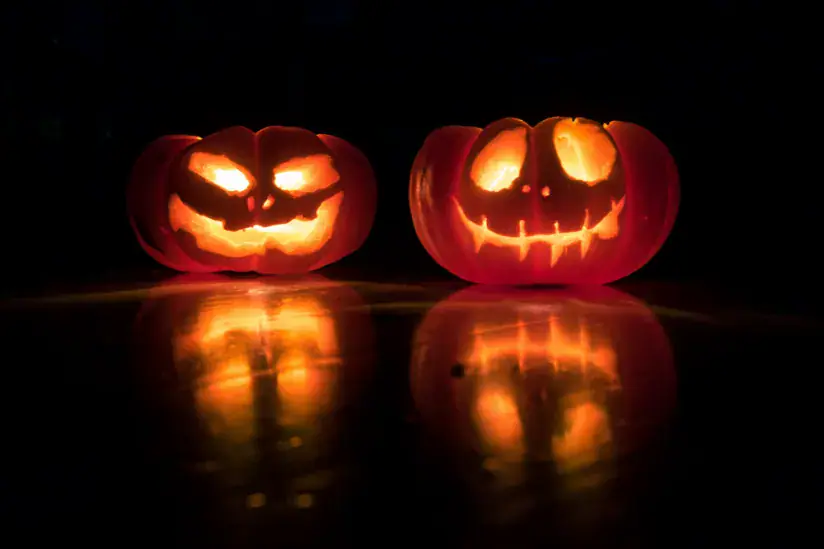
The jack-o'-lantern, a carved and illuminated vegetable, is a staple of Halloween celebrations worldwide. However, its origins date back to Irish tradition, where turnips were the primary material used. According to historical sources, the Celts would carve turnips and place candles inside to create lanterns, symbolizing the festival of Samhain, which marked the end of summer and the beginning of winter.
The Samhain festival was a significant event in Celtic culture, as it was believed to be a time when the boundary between the living and the dead became blurred. The Celts would light bonfires and wear costumes to ward off any malevolent spirits. The carved turnips, or "jack-o'-lanterns," were also used to represent the spirits of the dead, and were often placed in windows or doorways to guide them.
The tradition of carving vegetables for Halloween was not unique to Ireland, as similar customs existed in Germany and Austria, where they were known as "Rübengeister," or turnip spirits. However, when Irish immigrants arrived in the United States and Canada in the mid-19th century, they found that pumpkins were a more abundant and easier to carve than turnips.
The pumpkin, a type of squash, was a staple crop in North America, and its size and availability made it an ideal substitute for the turnip. The orange color of the pumpkin also added to its appeal, as it was seen as a vibrant and festive alternative to the turnip. As a result, the pumpkin jack-o'-lantern became a standard feature of Halloween celebrations in the United States.
The jack-o'-lantern's popularity can be attributed to its association with the legend of Stingy Jack, a trickster who was doomed to roam the earth with only a turnip lantern to light his way. The story of Stingy Jack has been passed down through generations, and has become an integral part of Halloween folklore.
Today, the pumpkin jack-o'-lantern is a ubiquitous symbol of Halloween, with millions of people around the world creating their own carved and illuminated pumpkins each year. The tradition has evolved over time, with many people now using stencils and other techniques to create intricate designs and patterns on their pumpkins.
As Halloween continues to be celebrated globally, the pumpkin jack-o'-lantern remains an iconic symbol of the holiday, with its origins rooted in Irish tradition and its evolution influenced by American culture. The pumpkin's widespread availability and ease of use have cemented its place as a beloved and enduring symbol of Halloween.
Key points
- The jack-o'-lantern's origins date back to Irish tradition, where turnips were used to create lanterns for the festival of Samhain.
- The pumpkin jack-o'-lantern became a standard feature of Halloween celebrations in the United States due to its abundance and ease of use.
- The jack-o'-lantern's popularity can be attributed to its association with the legend of Stingy Jack, a trickster who was doomed to roam the earth with only a turnip lantern to light his way.