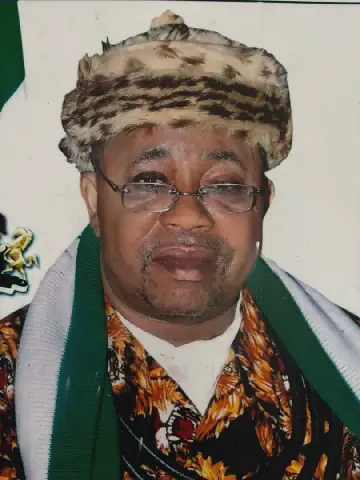
The British Empire may have departed Ghana nearly seven decades ago, but some argue that one of its most enduring legacies still affects workers' pay packets. Dr. Kwabena Nyarko Otoo, Deputy General Secretary of the Trades Union Congress (TUC), recently contended that Ghana's persistently low wages are rooted in colonial labour policies. This statement has reignited a debate that cuts to the heart of the nation's economic history. The issue of low wages remains a pressing concern in Ghana.
The persistence of low wages in Ghana has significant implications for the country's workforce. Many workers struggle to make ends meet due to inadequate compensation. The TUC has been vocal about the need for wage reform, citing the country's economic growth and increasing cost of living. Dr. Ebo Afful's article on the topic highlights the complexities of Ghana's labour market and the need for a nuanced discussion.
Colonial labour policies have had a lasting impact on Ghana's economy. The country's labour market was shaped by colonial-era laws and regulations, which often prioritized the interests of colonial powers over those of local workers. These policies have been criticized for perpetuating inequality and exploitation. The legacy of colonialism continues to influence Ghana's economic policies and institutions.
The debate over low wages in Ghana has sparked a wider conversation about the country's economic development. Some argue that Ghana's economic growth has not been matched by corresponding increases in wages. The country's labour market has undergone significant changes in recent years, with many workers moving into the informal sector. This shift has created new challenges for workers and policymakers.
The Trades Union Congress has been at the forefront of the campaign for wage reform in Ghana. The TUC has argued that workers' wages should be adjusted to reflect the country's economic growth and increasing cost of living. The organization has also called for greater investment in social protection programs to support vulnerable workers. Dr. Kwabena Nyarko Otoo's comments have highlighted the need for a comprehensive approach to addressing low wages.
The issue of low wages in Ghana has implications for the country's economic competitiveness and social stability. Low wages can undermine worker productivity and motivation, ultimately affecting the country's economic performance. The government has faced pressure to address the issue, with many stakeholders calling for policy reforms to support workers. A national conversation is underway to find solutions to this pressing issue.
As the debate over low wages continues, stakeholders are looking for solutions to address the issue. The government, labour unions, and private sector organizations are engaging in discussions to find ways to improve wages and working conditions in Ghana. The outcome of these discussions will have significant implications for the country's workforce and economy.
Key points
- Dr. Kwabena Nyarko Otoo argues that Ghana's low wages are rooted in colonial labour policies.