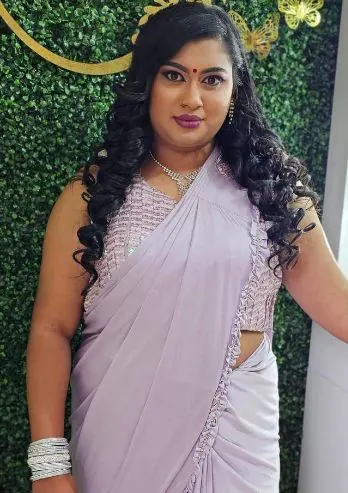
Social media platforms have become an integral part of modern life, connecting people worldwide. However, for some users, the constant stream of comments, comparisons, and curated lifestyles can take a toll on their mental wellbeing. For Yoshoda Andrêa Naicker, a 24-year-old content creator from Pinetown, social media started as a source of joy. She received a cellphone for her birthday and immediately posted a video on TikTok, which quickly gained 1,000 followers.
Naicker's experience with social media took a turn when she was diagnosed with Polycystic Ovary Syndrome, leading to rapid weight gain. She faced hurtful comments from people, which affected her self-confidence. Despite realizing that many of these comments came from people projecting their own insecurities, Naicker's confidence took a hit. She now posts less content and focuses on promoting self-acceptance and body positivity.
Diolan Govender, a 24-year-old public relations and marketing consultant from Durban, also experienced the negative effects of social media on his mental health. He opened a social media account in 2013, sharing random moments from his life. As his audience grew, he noticed a shift in his mental state, feeling anxious and self-doubting due to constant comparisons with others. Govender realized he needed to change his relationship with social media and made a conscious effort to focus on positivity.
Govender's decision to let go of anxiety around social media didn't happen overnight. It took consistent effort to shift his mindset and stop giving weight to things that didn't matter. He set limits on how much social media affected his thoughts and focused on consuming content that aligned with his goals. His advice to others is to focus on gratitude and not compare themselves to others, as everyone's journey is unique.
Shanèy Vijendranath, a 35-year-old entrepreneur and influencer from Johannesburg, started her social media journey as a mother at 21. She wrote about her experiences on Tumblr, which eventually became her blog, You, Baby and I. Her content resonated with others, and she built a community around motherhood, sharing real-life stories and experiences. However, as her profile grew, Vijendranath started comparing herself to others and struggled with self-doubt.
Vijendranath's struggles with social media led her to reevaluate her priorities and set boundaries. She unfollowed accounts that made her feel inadequate and learned to see social media as a tool, not a mirror of her self-worth. Her advice to creators is to decide what is off-limits before opportunities and money arrive, and to remember that nobody owes the internet every part of their life.
The experiences of these South African social media influencers highlight the importance of maintaining a healthy relationship with social media. By being aware of the potential negative effects and taking steps to mitigate them, creators can protect their mental wellbeing and use social media as a positive tool for connection and growth.
Key points
- Social media influencers in South Africa are speaking out about the mental health toll of constant comparisons and curated lifestyles.
- Creators are learning to set boundaries and prioritize their wellbeing in the face of online scrutiny.
- The experiences of these influencers highlight the importance of maintaining a healthy relationship with social media.