Malawi has made significant strides in its digital revolution, with millions of mobile phones, laptops, and other electronic devices being imported into the country every year. However, the lack of a proper electronic waste management system has resulted in the improper disposal of these devices, posing significant environmental and health risks. The country's digital growth has been fueled by the importation of second-hand electronic devices, with approximately 60 million kg of ICT equipment entering Malawi in the last five years.
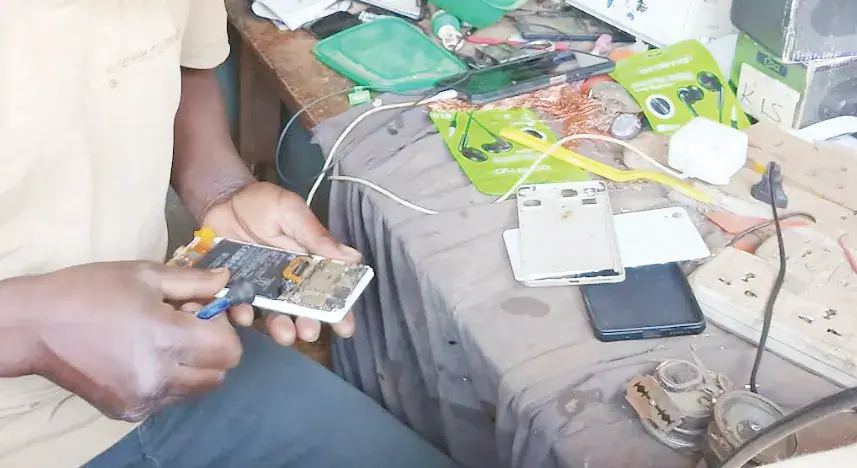
The country's regulatory framework, including the Macra Type-Approval Regulations, requires border posts to verify the safety of electronic devices before they hit the market. However, not all imports pass through formal border posts, and the country lacks a system to securely destroy electronic devices when they reach the end of their life. This has resulted in the accumulation of toxic metals in the soil and un-erased personal data in dumpsites. Informal recycling and disposal practices have become common, with many people collecting discarded gadgets to sell to scrap dealers.
The improper disposal of electronic waste has severe environmental and health consequences. When burned, phones and batteries release lead and cadmium into the air, causing respiratory illness and cancer. When dumped, these metals seep into the soil, persist for years, and are absorbed by crops. The danger is amplified by informal recycling, with prolonged exposure associated with neurological disorders, stunted cognitive growth in children, and hormonal disruption. Children and pregnant women are most at risk, with inhaling dust and fumes from burning batteries increasing lead concentration in the blood.
Malawi's environmental and health officials have expressed concern over the crisis. Chisomo Chalemerah Chisale, Environmental Health Officer at Nsanje District Health Office, says that informal recycling practices can emit up to 1,000 hazardous chemicals. A 2022 study in neighboring Zambia found that informal e-waste recyclers carried blood lead levels up to four times the World Health Organisation (WHO) limit. Malawi has never tested blood lead levels among informal pickers, but the risk is significant.
The crisis is not just environmental but also digital. Millions of discarded phones and hard drives still contain intact, unencrypted flash memory, including private messages, mobile banking cache, and business records. Malawi's Data Protection Act (2024) requires data controllers to ensure secure destruction of data, but un-sanitised logic boards are left exposed in open dumps. The country's digital growth has also resulted in the distribution of over 10,000 tablets to primary schools and the construction of 195 smart computer laboratories in community day secondary schools.
Despite the efforts to promote digitalization, Malawi lacks a funded plan for disposing of these devices when they reach the end of their life. The Ministry of Education's Building Education Foundations through Innovation and Technology (BEFIT) programme and the Universal Service Fund's smart computer laboratories will result in a significant amount of electronic waste in the coming years. The health sector is also facing a similar gap, with over 3,700 health surveillance assistants sharing tablets and smartphones to report disease, nutrition, and maternal data in real-time.
The government has launched the National E-Waste Management Policy, which promises to introduce Extended Producer Responsibility (EPR). Under EPR, telecommunications companies, importers, and distributors will be required to pay a levy to collect, transport, and safely recycle their products at end-of-life. However, two years later, there is still no formal system in place to manage electronic waste.
Key points
- Malawi's rapid digital growth is marred by a lack of electronic waste management, posing significant environmental and health risks.
- The country's regulatory framework is inadequate, and informal recycling practices have severe environmental and health consequences.
- The government has launched the National E-Waste Management Policy, but its implementation has been slow.