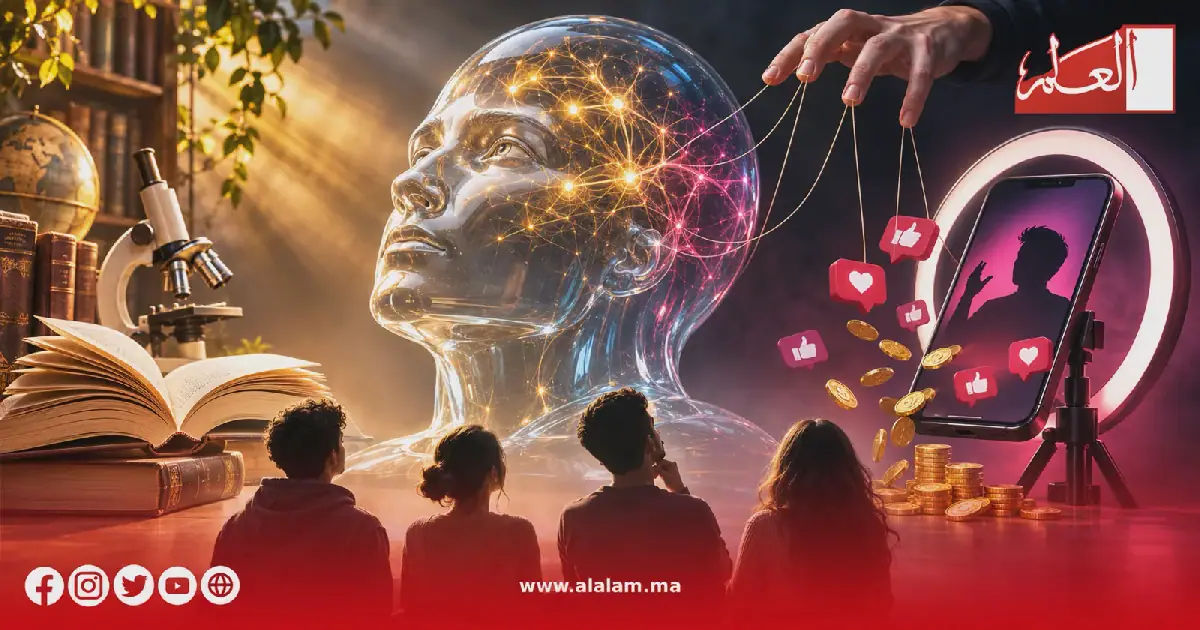
In Morocco, a pressing issue has arisen regarding social media influencers who have amassed large followings by sharing content that often lacks depth and expertise. These individuals, sometimes referred to as "influencers," have become increasingly popular, with many young people aspiring to emulate them. However, experts warn that this trend can have far-reaching consequences, particularly when it comes to the dissemination of information on critical issues such as health, economics, and politics.
The notion of influence has undergone a significant transformation in the digital age. While influence was once associated with expertise and authority, it is now often linked to popularity and the ability to garner attention. This shift has led to a situation where individuals with little to no knowledge on a particular subject can become influential figures, simply by virtue of their large following. Critics argue that this trend undermines the value of expertise and can have serious consequences, particularly in areas such as healthcare and finance.
One of the primary concerns is that these influencers often blur the lines between their opinions and facts, presenting their views as authoritative and trustworthy. This can be particularly problematic when it comes to sensitive issues such as health and wellness, where misinformation can have serious consequences. Furthermore, the fact that many of these influencers have built their followings by sharing sensational or provocative content raises questions about the impact of their message on their audience.
The issue is further complicated by the fact that many of these influencers have become celebrities in their own right, with millions of followers hanging on their every word. This can create a situation where their opinions are given undue weight, simply because of their fame. Experts argue that this can be particularly damaging, as it can lead to a situation where people prioritize celebrity opinions over expert advice.
In Morocco, as in many other countries, the issue of influence has sparked a national conversation about the role of social media in shaping public opinion. Many are calling for greater regulation of social media influencers, as well as a more critical approach to evaluating the information they present. Others argue that the solution lies in education, and that young people need to be taught critical thinking skills to help them navigate the complex online landscape.
Despite the concerns, it's worth noting that not all influencers are created equal. There are many who use their platforms to promote positive change, share valuable information, and inspire their followers. These individuals deserve recognition and support, as they are helping to shape a more informed and engaged public.
Ultimately, the issue of influence in Morocco highlights the need for a more nuanced understanding of the role of social media in shaping public opinion. As the country continues to grapple with the challenges of the digital age, it's clear that a more critical approach to evaluating online information is needed, one that prioritizes expertise and evidence over fame and popularity.
Key points
- The blurring of lines between expertise and influence has significant implications for the dissemination of information on critical issues.
- The prioritization of fame over expertise can have serious consequences, particularly in areas such as healthcare and finance.
- Education and critical thinking are key to helping young people navigate the complex online landscape.