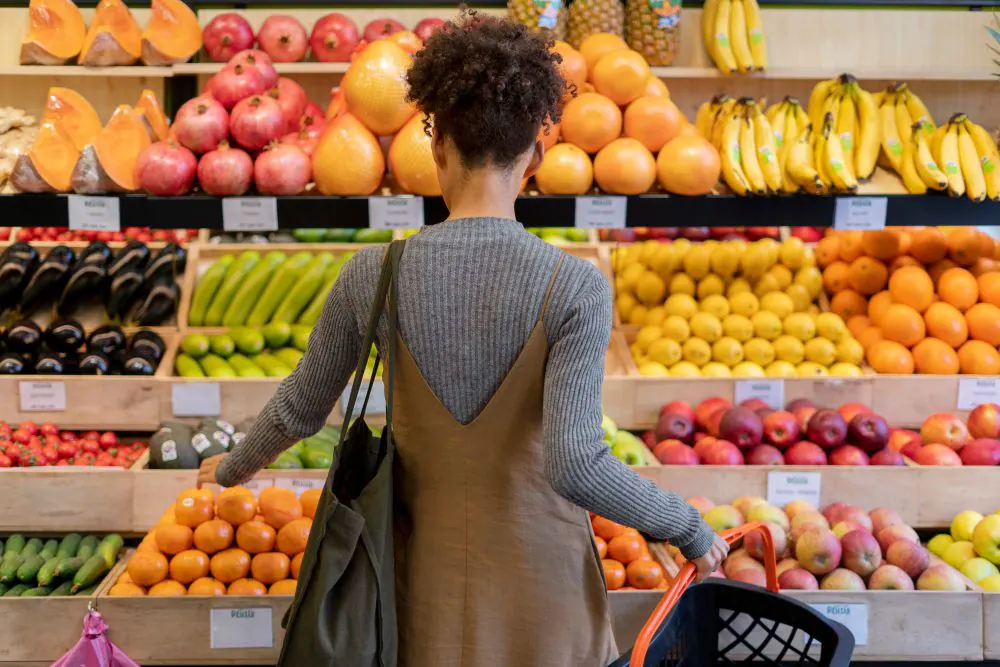
The current economic climate in South Africa is having a significant impact on households, with the cost of living increasing steadily. When going to the grocery store with R100, consumers are finding that they can buy fewer items than they could the previous year. This is a clear indication of the struggles that many South Africans are facing as essential costs take a bigger bite of their incomes.
The price of oil has recently risen above US$100 a barrel, which is likely to have a ripple effect on the economy. As South Africa imports most of its fuel and buys it in dollars, the pump price is directly affected by two key numbers: the international cost of refined fuel and the exchange rate of the rand to the dollar. With taxes and levies making up around a third of the pump price, the regulated margins also play a role in determining the final cost.
The impact of the rising fuel costs is being felt across various sectors, including public transport. In June, minibus taxi fares rose by 11.5 percent in a single month, affecting nearly seven in ten people who rely on public transport. As fuel is a fundamental cost that sits inside almost every product, from bread to maize meal, the effects of the price increase are widespread.
Despite the various inflation measures, including headline inflation, core inflation, and food inflation, the reality is that prices are continuing to rise, albeit at different rates. In July, the headline inflation figure was 4.3 percent, down from 5.0 percent, while food inflation came in at under one percent, its lowest level in sixteen years. However, this does not mean that prices are decreasing; rather, they are rising more slowly.
A key indicator of the price level is the basket of goods tracked by Statistics South Africa, which has shown that the cost of an ordinary basket of goods has increased by roughly seventy percent since 2015. This steady rise in prices is a concern, as it erodes the purchasing power of consumers. While the oil price and rand exchange rate have fluctuated over the years, the shelf price has consistently moved in one direction – upwards.
The Competition Commission's Cost-of-Living Report has identified a phenomenon known as "rocket-and-feather behaviour," where prices rise quickly when input costs rise but drift down slowly or not at all when those costs ease. This behaviour is a concern, as it suggests that prices may not decline even when the fuel price stabilises. However, it is worth noting that not all studies agree, and research on the maize chain found no such pattern.
While food inflation is currently at a sixteen-year low, and maize meal and bread actually decreased in price in July, this trend may not continue. The Weather Service has warned of an impending El Niño, which could lead to a decrease in the maize harvest and an increase in prices. As a result, consumers should be vigilant and monitor the prices of essential goods to see if they will come down.
Key points
- The cost of living in South Africa is increasing steadily, with essential costs taking a bigger bite of incomes.
- The price of oil has a significant impact on the economy, as it affects the pump price and the cost of goods.
- The Competition Commission has identified "rocket-and-feather behaviour" in the pricing of goods, where prices rise quickly but fall slowly.