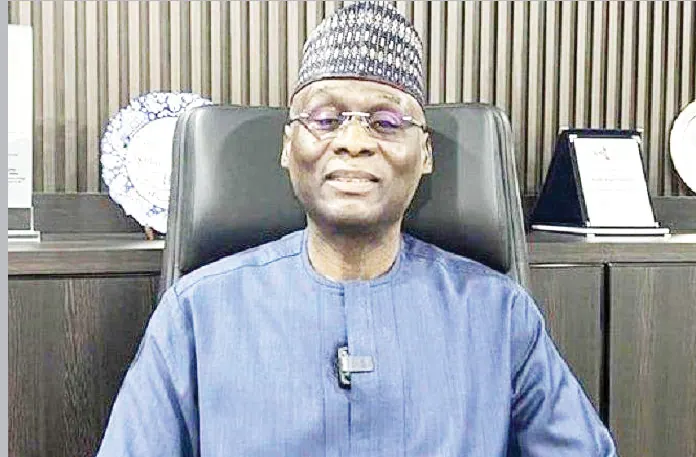
The National Hajj Commission of Nigeria has faced significant challenges under President Bola Tinubu's administration, with three chairmen in three years. In an effort to stabilize the commission, the president appointed Amb. Isma'il Abba Yusuf, a retired diplomat with experience in national security positions. Yusuf's task is to navigate the complexities of managing NAHCON amidst a challenging period. Recently, he reported that Saudi Arabian authorities rejected Nigeria's request to increase its Hajj quota of 50,000 pilgrims for next year.
The rejection by Saudi authorities has raised concerns about its implications for Nigeria's foreign policy. Saudi Arabia reviews Hajj quotas annually, and the rejection could be an administrative decision. However, President Tinubu needs to determine whether the rejection has broader implications. Amb. Yusuf must understand the circumstances surrounding the rejection to effectively manage NAHCON. The incident has sparked a re-examination of Nigeria's relationship with Saudi Arabia and its implications for the country's foreign policy.
The link between Nigeria's Hajj quota, Saudi Arabia's regional interest, and President Tinubu's foreign policy lies in a $5bn loan agreement with First Abu Dhabi Bank in April 2026. The International Monetary Fund (IMF) had warned Nigeria about the risks and opaque terms of the loan. The IMF's concerns were not just about economic implications but also about the potential strings attached to such loans, which often relate to national security.
Nigeria's decision to join the International Energy Agency in July 2026 has also raised questions about its sovereignty. The move was followed by reports of Nigeria exceeding its OPEC-approved quota, which some argue was orchestrated. President Tinubu's involvement in a feud between brothers has sparked concerns about Nigeria's position in the global energy market. The breakup of OPEC has long been an imperial goal, as it helps stabilize prices.
The rejection of Nigeria's Hajj quota request has also been linked to President Tinubu's foreign policy decisions. Crown Prince Mohammed Bin Salman has shown extraordinary forbearance over the last six months, but the Kingdom has taken notice of Nigeria's actions. The incident has sparked concerns about the implications of Nigeria's foreign policy decisions on its relationships with other countries.
A Reuters publication on July 3, 2019, titled "Special Report: Abandoned By The UAE, Sudan's Bashir Was Destined To Fall," provides insight into the complex geopolitics at play. The report describes what happens when a client state decides to go back on its commitments. The publication highlights the intricate relationships between countries and the implications of their actions.
The rejection of Nigeria's Hajj quota request has significant implications for governance in Nigeria. The incident has sparked a re-examination of Nigeria's foreign policy decisions and its relationships with other countries. As Amb. Yusuf navigates the complexities of managing NAHCON, he must also consider the broader implications of Nigeria's actions on the global stage.
Key points
- The rejection of Nigeria's Hajj quota request has sparked concerns about its implications for Nigeria's foreign policy.
- The incident has highlighted the complex geopolitics at play, with implications for Nigeria's relationships with other countries.
- The rejection has significant implications for governance in Nigeria, sparking a re-examination of its foreign policy decisions.