The global car industry has undergone significant changes, with China emerging as a major player in vehicle production. In 2025, China produced 34.53 million vehicles, accounting for over a third of global production. This shift is also driven by the growing demand for electric vehicles, with 21 million electric cars sold globally in 2025, an increase of over 20%. As a result, African markets, including Rwanda, are attracting new brands and witnessing a change in the way cars are designed, produced, and marketed.
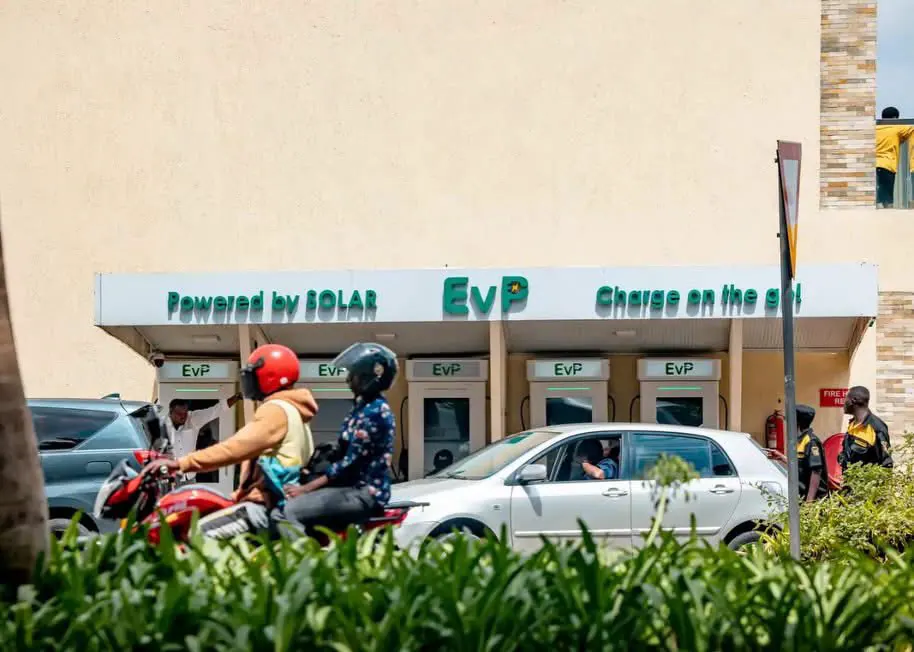
Rwanda's car market is growing rapidly, with 394,157 registered private vehicles in 2024/25, up from 276,925 in 2020/21. Motorcycles account for 54.6% of the total, followed by sedans, sport utility vehicles, pick-ups, and trucks. The country's import-dependent market is expected to be influenced by the global shift towards electric and hybrid vehicles. Rwanda is also developing one of the region's most visible electric-motorcycle ecosystems, which is likely to shape the future of the country's automobile market.
The changing global car industry presents both opportunities and challenges for Rwandan buyers. With more brands entering the market, buyers have a wider range of choices in terms of price, equipment, and technology. However, this also means that buyers need to be more informed and cautious when making a purchase. Factors such as manufacturer support, spare parts availability, warranty terms, and after-sales service are crucial considerations for buyers to ensure that their vehicles can be supported for ten years or more.
Industry experts emphasize the importance of manufacturer support and warranty terms for Rwandan buyers. Kevin Mucyo, Sales Director at China Electric Vehicle Rwanda, notes that buyers should ask for written parts support and warranty terms. Similarly, Jean-Luc Mugabo, Sales Manager at CFAO Mobility Rwanda, advises buyers to consider the long-term implications of their purchase, including the availability of spare parts and after-sales service.
The growth of Rwanda's car market is also driven by the increasing demand for affordable and sustainable transportation solutions. Electric vehicles, in particular, are expected to play a significant role in shaping the country's automobile market. Ethiopia has already made significant strides in electric vehicles, while Kenya is assembling electric buses and vans. Rwanda's electric-motorcycle ecosystem is also expected to contribute to the country's transition towards more sustainable transportation options.
The future of Rwanda's automobile market will be characterized by increased competition and technological advancements. Established brands such as Toyota, Nissan, and Hyundai will face sharper competition from Chinese vehicles, hybrids, and electric models. The winners will be those that combine a good vehicle with dependable parts, competent technicians, transparent warranties, and a strong second-hand market.
As the global car industry continues to evolve, Rwandan buyers will need to adapt to the changing landscape. By being informed and cautious, buyers can navigate the complexities of the new market and make smart purchasing decisions. The growth of Rwanda's car market presents opportunities for buyers, manufacturers, and the economy as a whole, and it will be crucial to ensure that the sector continues to grow sustainably.
Key points
- China's emergence as a major player in the global car industry is driving changes in the way vehicles are designed, produced, and marketed.
- Rwanda's car market is growing rapidly, driven by increasing demand for affordable and sustainable transportation solutions.
- Buyers in Rwanda need to consider factors such as manufacturer support, spare parts availability, and warranty terms when making a purchase.